The cleanliness of your dining or work table is not only a matter of hygiene, but also an aesthetic pleasure. Often, after wet cleaning, residues remain on the surface. whitish stripes or muddy trackswhich are especially noticeable in bright sunlight. The main cause of streaks is excess moisture, dirty rags, or the use of inappropriate detergents that leave a sticky film.
To achieve a perfect result, it is important to choose the right material for wiping:
-
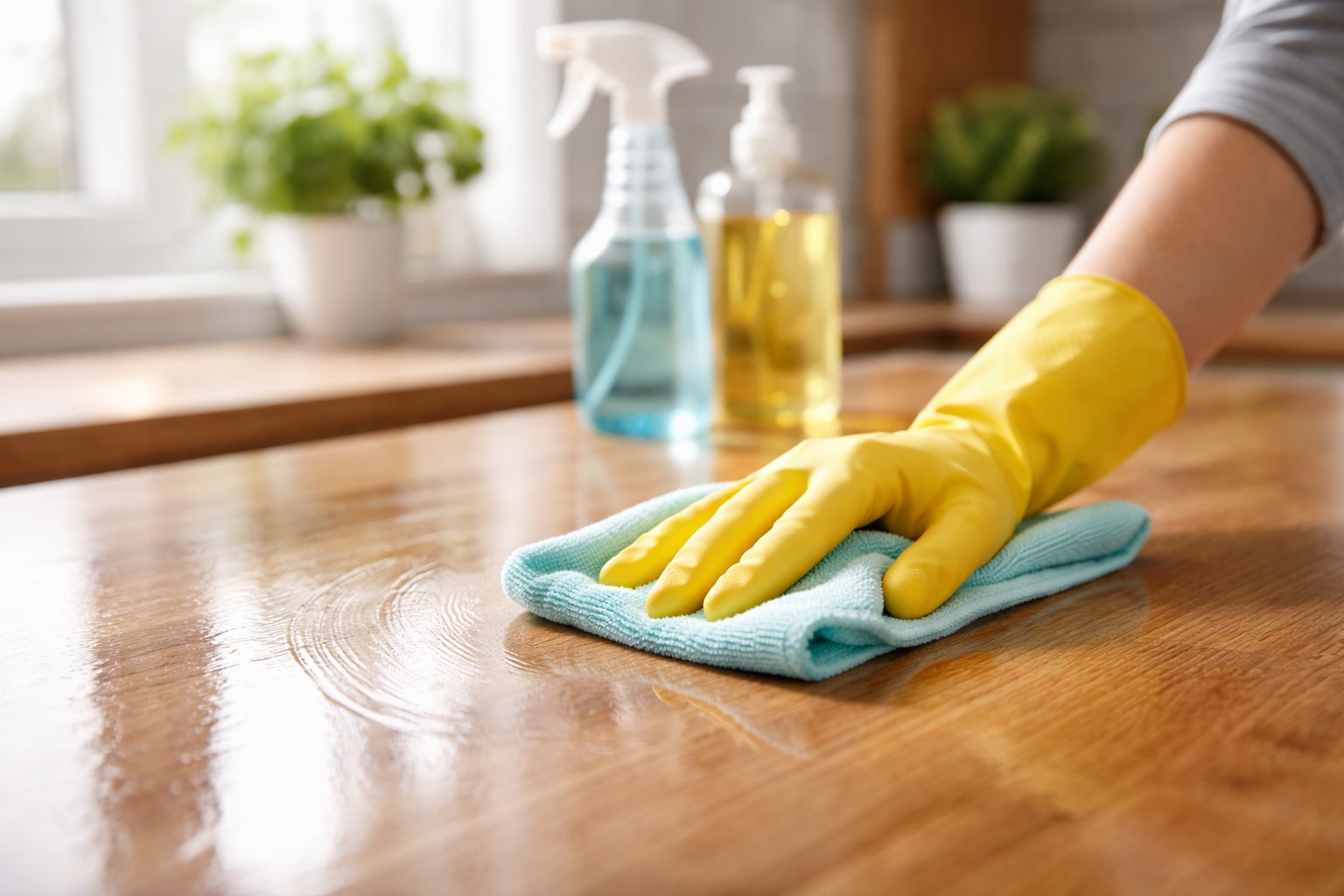
Microfiber with short pile is considered the best solution. Its fibers capture dirt particles and absorb water without leaving lint.
-
Bamboo napkins have natural antibacterial properties and do an excellent job of removing oily plaque.
-
Paper towels suitable for the final stage – dry polishing.
-
Special rubberized napkins effectively collect excess liquid in one movement.
To effectively remove contaminants, it is not necessary to use aggressive chemicals. Table vinegar solution (one tablespoon per glass of water) quickly evaporates from the surface, breaking down fat and giving the material shine. If the table is made of dark wood, you can use weak brew of black tea — tannins in its composition refresh the color and mask minor scratches. For glass surfaces, ordinary glass is ideal. alcohol solutionwhich dries instantly, eliminating the appearance of stains.
Cleaning technique also plays a key role in achieving cleanliness. First you need to remove crumbs and dust with a dry cloth, otherwise they will turn into gray pellets when they come into contact with water. Then wipe the surface with a damp (but not wet) cloth using zigzag movements. The final and most important stage is polishing with a dry cloth until the moisture completely disappears.
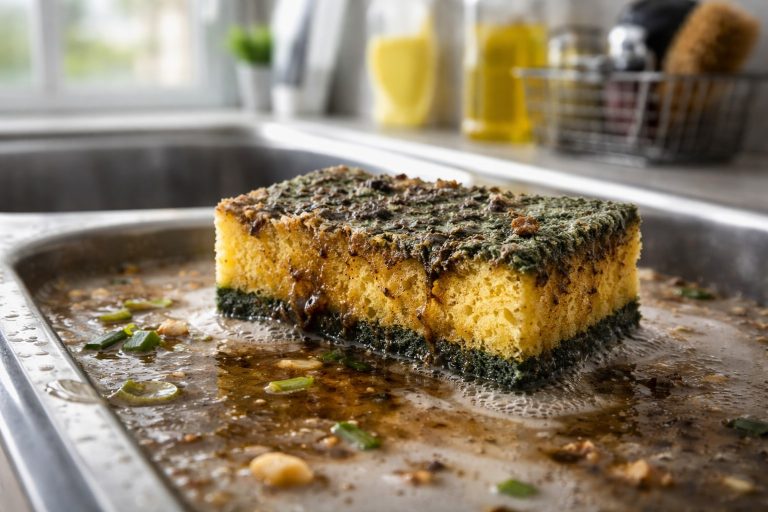
Regularly replacing cleaning wipes prevents the growth of bacteria and ensures that there is no unpleasant odor. The use of clean microfiber and high-quality surface drying allows you to maintain furniture in perfect condition without unnecessary effort.
About the Author