Cheese is a living product that continues to ripen even on the shelf of your refrigerator. The main mistake that almost everyone makes is incorrect packaging. Factory film or a regular plastic bag literally suffocates the product, depriving it of the ability to “breathe,” which leads to the appearance of a sticky coating and rapid spoilage.
Forget cling film
The ideal environment for cheese is a balance of humidity and air circulation. The best storage material is considered parchment paper or special wax paper. Wrap the piece in paper and then place it in a loose plastic container or Ziploc bag, leaving it slightly open. This will create the necessary microclimate, but will not allow the product to suffocate.
Sugar cube for mold protection
There is a simple but extremely effective life hack that professionals use. If you are storing cheese in a plastic container, place a couple of cubes of refined sugar. Sugar will act as a natural absorbent, absorbing excess moisture and regulating the atmosphere inside the container. It is only important to change the cubes in time if they become wet.
Temperature matters
The coldest place in the refrigerator is absolutely not suitable for this product. Temperatures that are too low kill the subtle flavor and change the texture, making it crumbly. Optimal place – compartment for vegetables and fruitswhere higher temperatures and stable humidity are maintained. Also try not to place cheese next to foods that have a strong odor, as milk fats instantly absorb foreign odors.
Features for different varieties
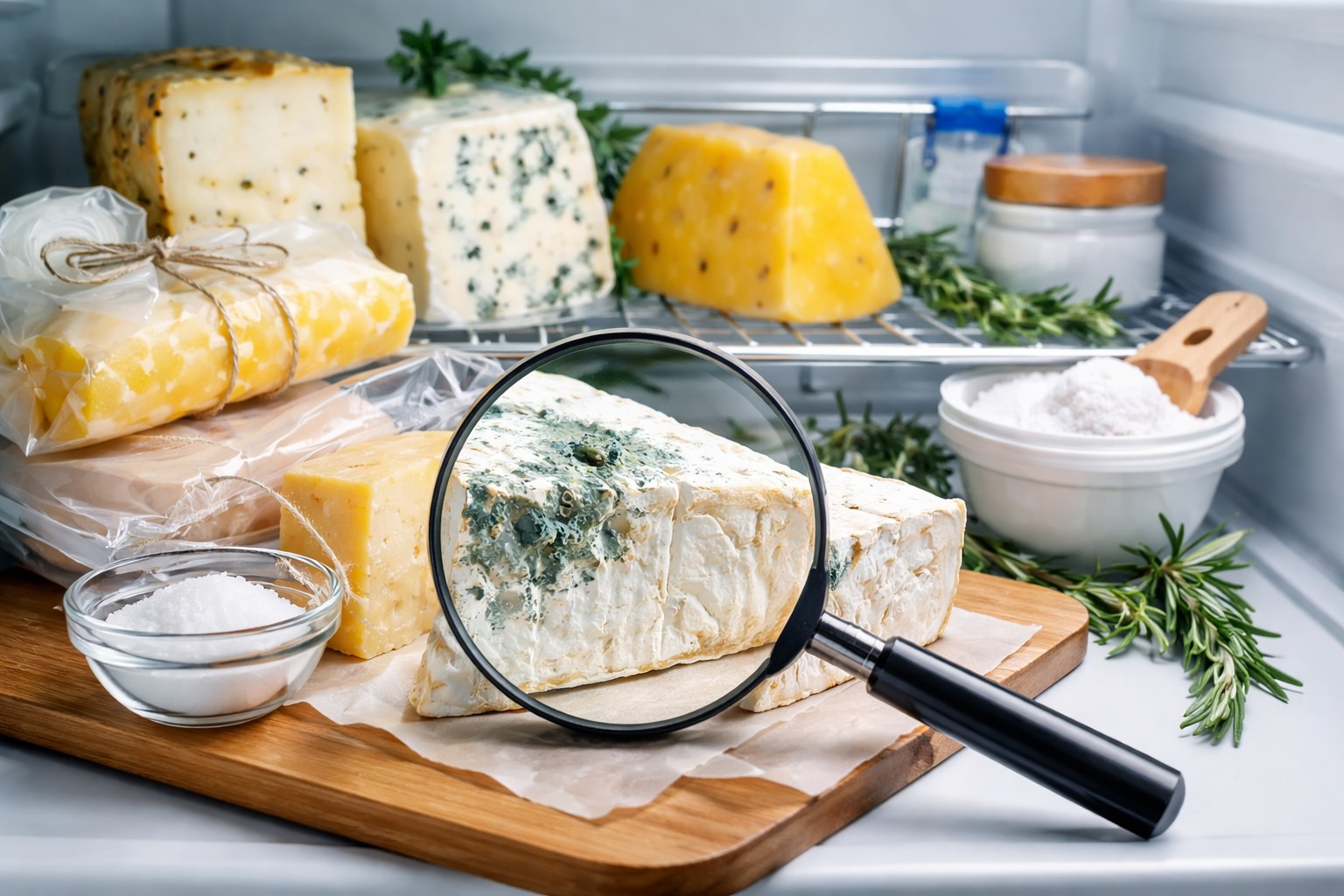
Hard varieties like Parmesan can last for months if properly packaged. Soft cheeses and pickled varieties require a more delicate approach and have a much shorter lifespan. If you notice a small spot of mold on a hard cheese, you can carefully cut it off by stepping back at least one centimeterand the product will remain safe for consumption. However, this rule does not work for soft varieties: when foreign mold appears, they must be disposed of entirely, since the spores penetrate deep inside.
Following these simple rules will help you enjoy the true taste of the delicacy to the last crumb and will significantly reduce the amount of food waste in your kitchen.
About the Author