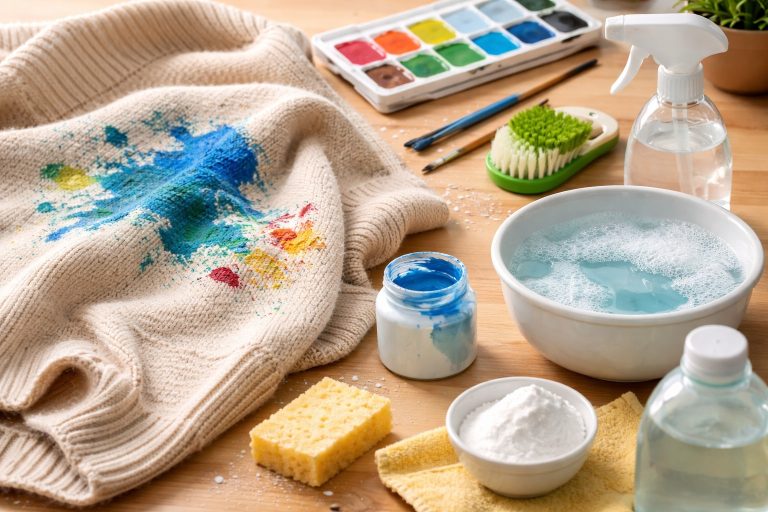
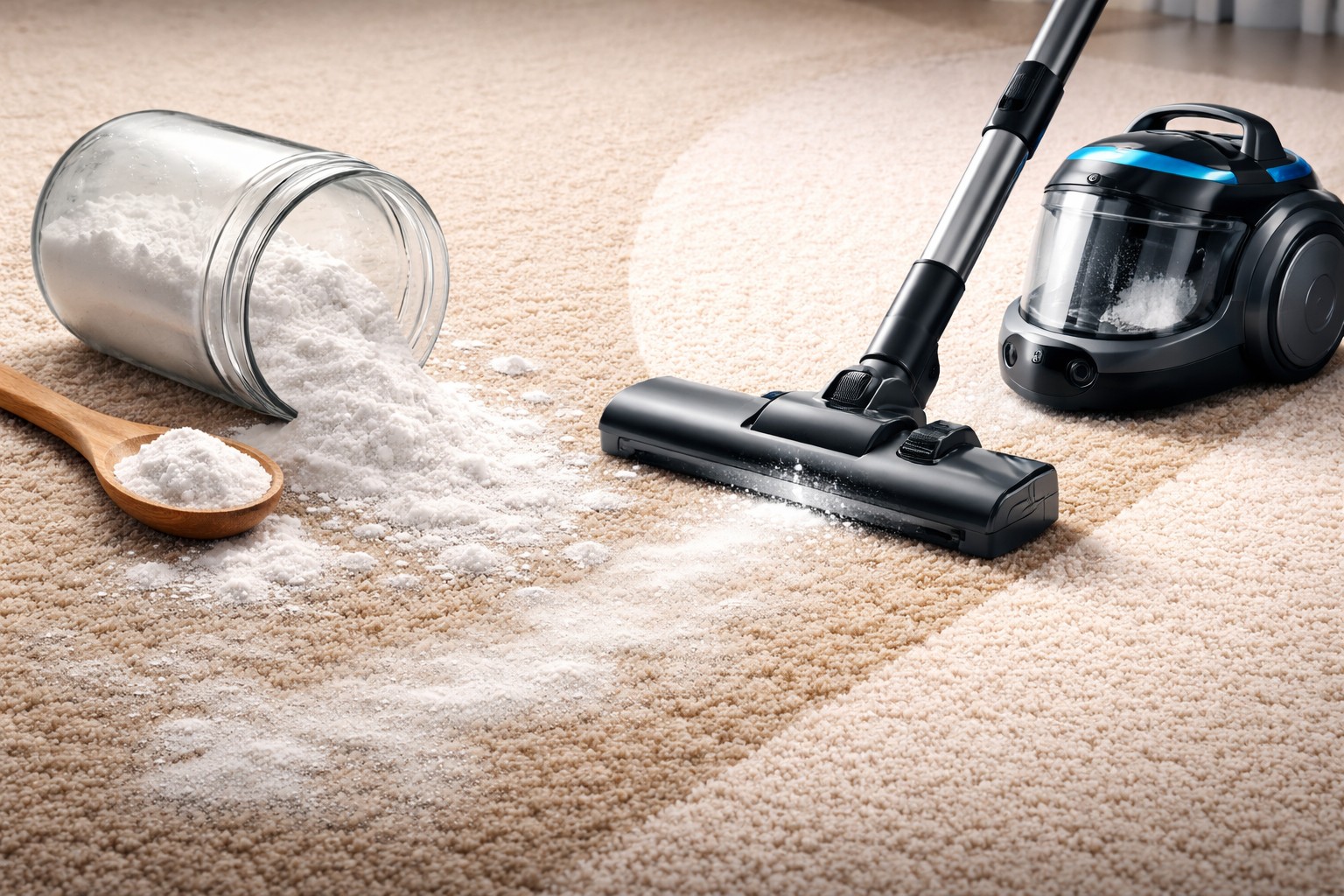
Food soda often used as an affordable means to combat unpleasant odors and stains on textile surfaces. Thanks to your absorbent propertiesit effectively absorbs moisture and neutralizes fragrance molecules. However, many people make the mistake of believing that after drying the powder can simply be shaken off or left in the pile. Thorough cleaning with powerful vacuum cleaner is a mandatory step, neglecting which can ruin things.
Risks to the pile structure
When small particles of soda penetrate deep into the carpet, they begin to act as abrasive. When walking on the coating, the grains rub against the fibers, gradually destroying their structure. This leads to premature wear and loss of softness of the product.
-
Fine dust gets lodged into the base of the carpet.
-
Soda particles attract moisture from the air, which can turn the powder into a sticky mass.
-
Residues create an environment that makes the pile hard over time.
Impact on household appliances
Using a regular vacuum cleaner to remove baking soda requires caution. Fine powder can quickly clog fine filters (HEPA), which causes the engine to overheat.
-
Baking soda easily passes through standard dust bags.
-
Powder getting into the engine compartment will shorten the life of the device.
-
For high-quality cleaning, it is recommended to use models with aquafilter or cyclone systems with high suction power.
Chemical reaction and stains
If even a small amount of baking soda remains on the carpet, any subsequent contact with water or spilled liquid will cause alkaline reaction. This can lead to discoloration of natural dyes or the appearance of whitish stains, which are extremely difficult to remove.
Careful removal of powder from the fibers ensures the durability of home textiles and maintains a healthy indoor environment. Prompt cleaning prevents the accumulation of small particles that can irritate the respiratory tract.
The correct cleaning technique allows you to maintain the appearance of the carpet and the serviceability of your cleaning equipment.
About the Author