
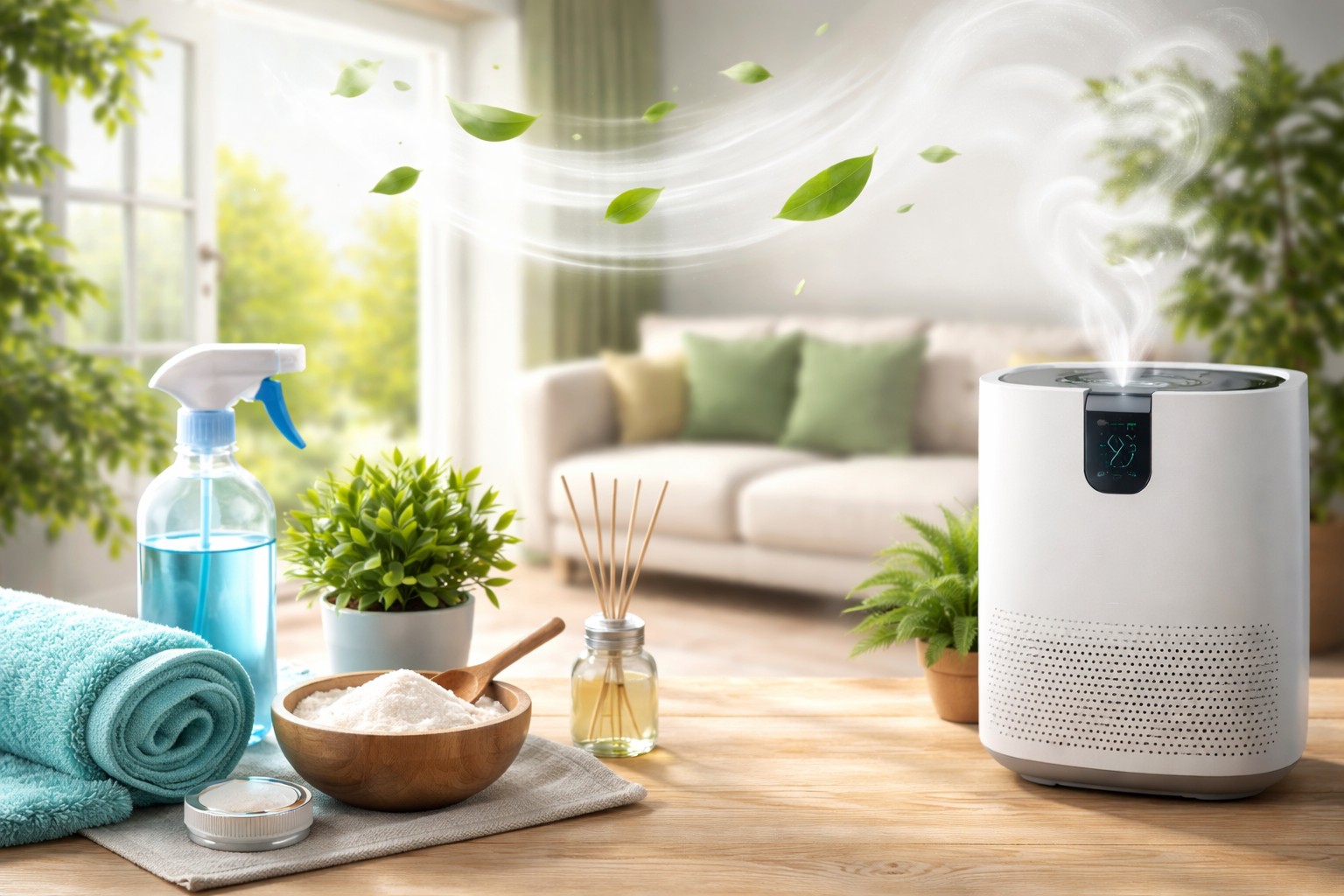
The appearance of a specific aroma in a residential area often signals a violation of the microclimate, which can negatively affect the health of residents and the condition of repairs. Combating this problem requires a comprehensive approach that starts with addressing the root cause rather than simply masking the odor with air fresheners.
Finding and eliminating the source of moisture
The first step should always be room diagnostics. The smell of dampness rarely appears on its own; This is usually a consequence of hidden problems. Carefully inspect the corners of rooms, the space behind furniture, and pipes in the bathroom and kitchen. Often the source becomes flowing communicationspoor waterproofing of seams or faulty ventilation system. If you find visible traces of mold, they must be removed using special antiseptic solutions or chlorine-containing products.
Use of natural absorbents
If the source is eliminated, but the smell remains, proven products that can absorb excess moisture and aromas will come to the rescue. They are safe and accessible to everyone:
-
Baking soda. Perfectly neutralizes odors. Place small containers of baking soda in areas with high humidity or sprinkle it on the carpet and leave it for several hours before vacuuming.
-
Activated carbon. Charcoal tablets are a powerful absorbent. Place them in cabinets, drawers and corners of the bathroom to remove mustiness.
-
Salt and sugar. These products are hygroscopic. Bags of salt can be placed in damp corners, but they need to be changed regularly as they quickly become saturated with water.
-
Vinegar. Wiping surfaces with a weak vinegar solution helps destroy fungal spores and freshen the air, although the smell of vinegar itself will take some time to dissipate.
Technical solutions for dehumidification
In cases where natural ventilation cannot cope, you should resort to household appliances. The most effective device is dehumidifier. It condenses moisture from the atmosphere and collects it in a special tank. It is also useful to use electric heated towel rails in the bathroom and periodically turn on the heaters in the off-season, when the central heating is not yet working and the humidity outside is already high.
Prevention of odor
To prevent the problem from returning, it is important to follow simple rules for the operation of housing. Regular ventilation (at least 10–15 minutes twice a day) creates the necessary circulation of air masses. Try not to dry wet clothes in living rooms, using a balcony or drying machine. It is also recommended to install an exhaust fan in the bathroom and ensure that the ventilation grilles are not clogged with dust.
Maintaining an optimal humidity level within 40–60% guarantees a comfortable microclimate and the safety of finishing materials for many years.
About the Author