Effective Home Remedies to Remove Stains and Rust from Kitchen Knives
Even the best quality instruments lose their original appearance over time. Dark spots, signs of oxidation or even minor rust appear on the blades, especially when it comes to carbon steel knives. You should not immediately resort to aggressive household chemicals, because you can return the instrument to its ideal condition using simple products that can be found in any kitchen.
Potatoes against plaque
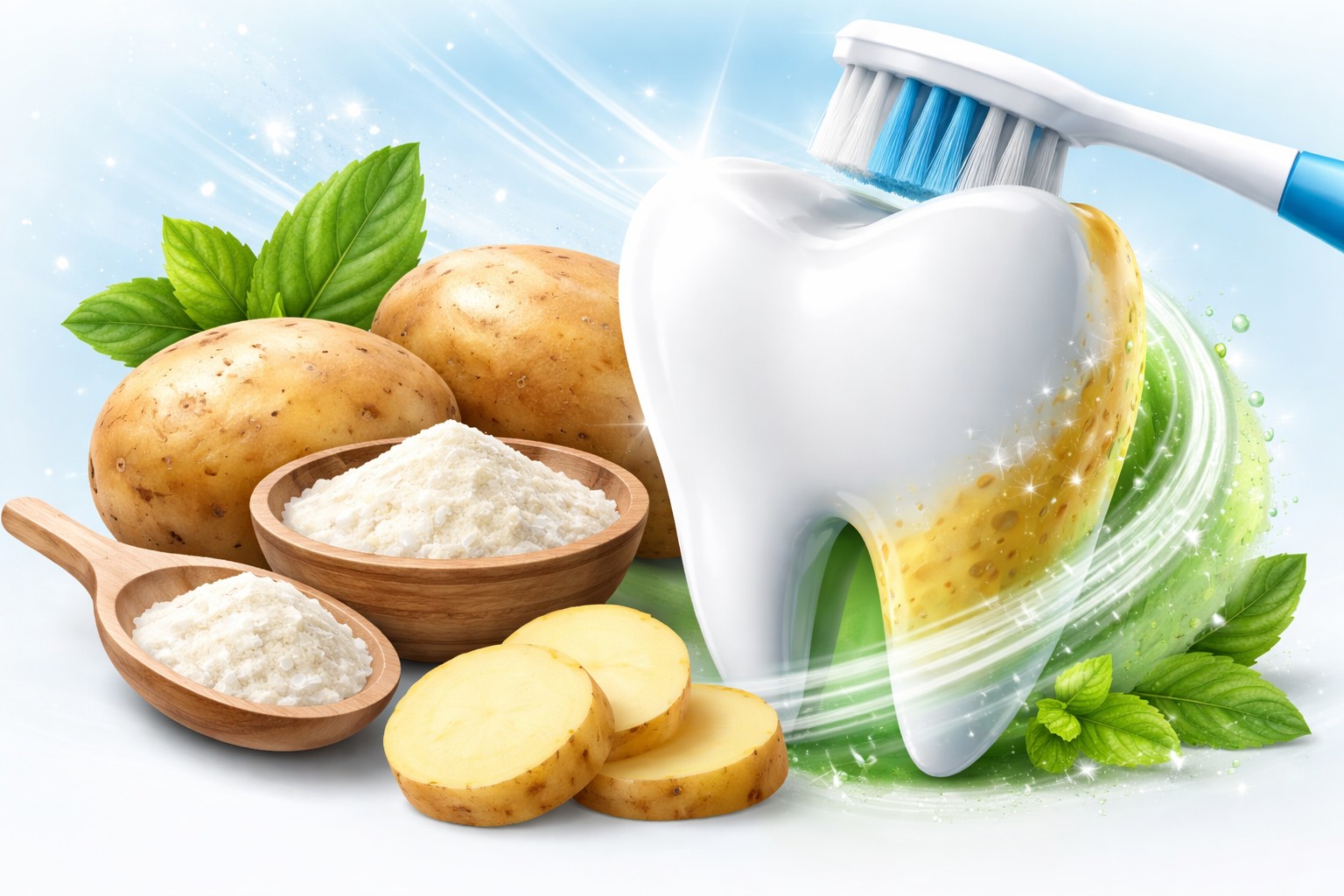
One of the most unexpected but effective methods is using regular raw potatoes. It contains oxalic acidwhich copes well with small areas of corrosion.
-
Stick the blade of a knife into a raw potato and leave for several hours.
-
After this, remove the tool and wipe it with oil.
-
If stains remain, you can cut the potato in half, sprinkle the cut side with salt and use it as a metal polishing sponge.
Lemon juice for shine
An acidic environment is detrimental to rust. Lemon juice helps soften plaque without damaging the metal structure itself, if you do not keep it for too long.
Apply fresh lemon juice generously to problem areas and leave for 5-10 minutes. This time is usually enough for the oxidation to begin to subside. After the procedure, rinse the knife thoroughly with warm water and wipe dry with a towel.
Baking soda paste
For deeper cleaning and removal of stubborn stains, an abrasive that does not scratch the surface too much is ideal. Baking soda — a universal assistant in the fight for steel purity.
Mix baking soda with a small amount of water until you get a thick paste. Apply the mixture to the blade and scrub gently with a soft cloth or old toothbrush. This method allows you to remove darkening and return the characteristic cold shine to the metal.
Wine stopper for safety
Cleaning sharp objects always involves the risk of cutting yourself. To protect your hands and at the same time polish the blade efficiently, use natural wine cork.
Wet the blade with water or cleaning solution, and then use the end of the cork as an eraser. The cork is hard enough to mechanically remove plaque, but at the same time it is elastic and does not leave deep scratches on the mirror polish of the knife.
Proper care after cleaning
The main enemy of knives is moisture. Whatever method you use, the final stage is always the same. It is necessary to rinse the instrument and wipe it dry immediately. It is strictly not recommended to wash high-quality knives in dishwashersince high temperatures and aggressive detergents provoke corrosion and dulling of the cutting edge.
Regular manual cleaning and timely removal of moisture will allow your knives to serve for decades, maintaining their cutting properties and aesthetic appearance.
About the Author