

Each of us has at least once experienced this strange feeling: you touch a doorknob, take off your favorite sweater, or pet a cat, and a electrical discharge. This phenomenon is known as static electricityseems magical, but in fact has a clear physical basis.
Physics at your fingertips
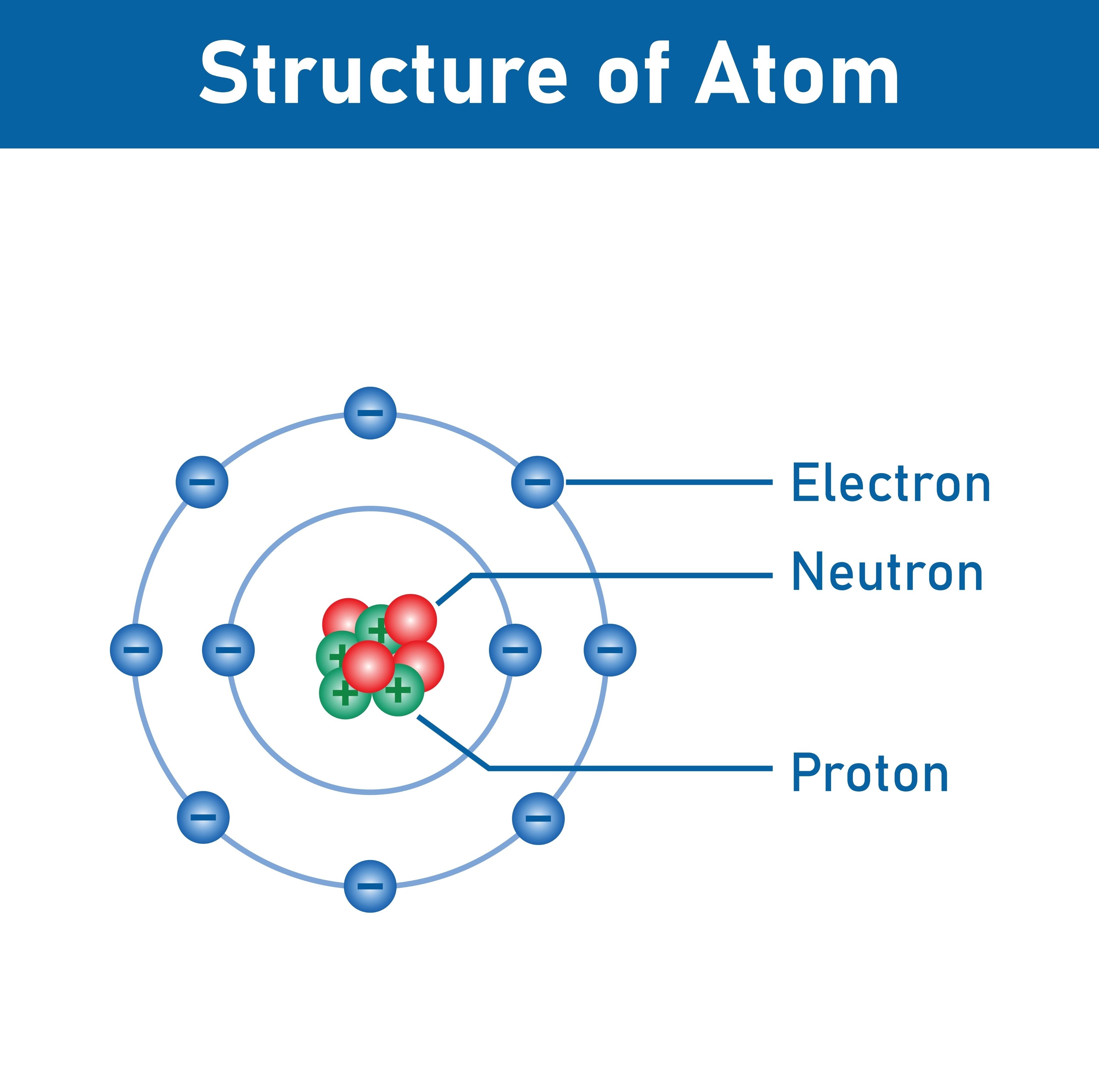
The process is based on the structure of matter. All objects around us are made up of atoms, which contain positively charged protons and negatively charged ones. electrons. Normally these charges are balanced and the object remains neutral.
Shutterstock
However, when two different materials come into close contact, redistribution of particles occurs. Electrons “jump” from one surface to another. As a result, one body acquires an excess negative charge, and the other a positive one.
The main causes of discharge
There are several key factors that contribute to the accumulation static charge:
-
Friction of materials. This is the most common way. When we walk on a carpet or comb dry hair, an intense exchange of electrons occurs.
-
Low air humidity. Dry air is an excellent insulator. In a humid environment, charges quickly dissipate through microscopic drops of water, but in winter, when the heating is on, they accumulate on surfaces and our clothes.
-
Material type. Synthetic fabrics such as polyester or nylon are much more likely to accumulate static than natural cotton or linen.
-
Insulation. If a person wears shoes with rubber soles, the accumulated charge cannot “go” into the ground, creating an invisible energy field around the body.
How to tame invisible lightning
Static electricity is not life-threatening, but can cause discomfort and even damage sensitive electronics. To reduce the frequency of “shocks”, it is enough to maintain an optimal level of humidity in the room and use antistatic agents for clothing.
The accumulation of excess charge on the surface of objects is a natural physical process that is inextricably linked with the properties of the substances around us.
About the Author