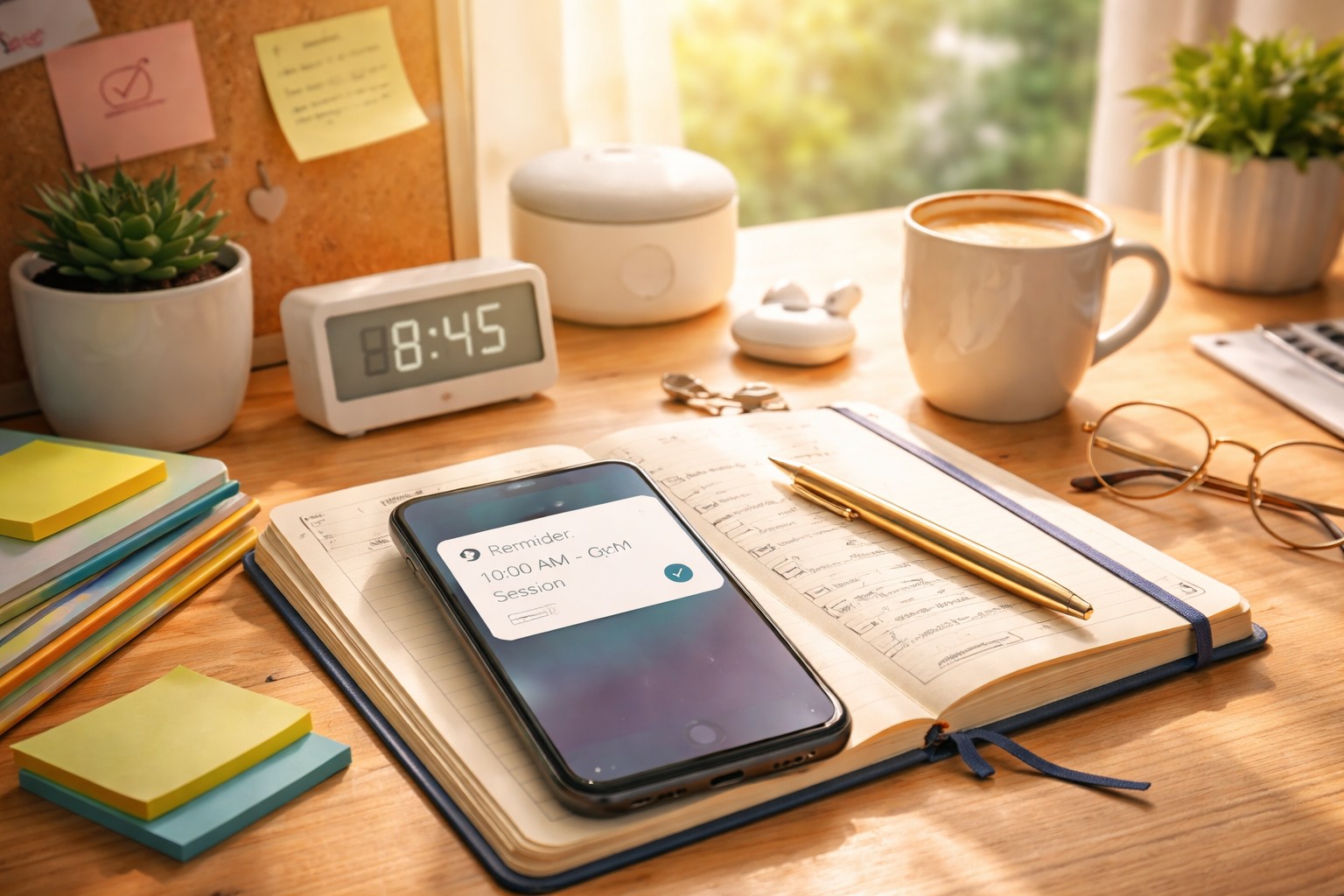
We live in an era of infinity information noisewhen our brains have to process gigabytes of data every day. Trying to keep track of shopping lists, work deadlines, friends’ birthdays, and the need to drink a glass of water, we often feel exhausted before lunch. Regular phone notifications, which many consider intrusive, can actually be a powerful tool for managing mental health.
Unloading the brain’s RAM
Our brain works like a computer with limited capacity RAM. When you try to remember everything on your own, you spend this resource on storing rather than processing information. This leads to decreased concentration and rapid fatigue.
The use of external memory media – notes and reminders – allows you to free up mental resources. When a task is transferred to a calendar or task manager, the brain receives a signal that the information is saved and safe. This allows you to focus on the current momentwithout fear of missing out on something important in the future.
Reducing background anxiety levels
The fear of forgetting about an important call or meeting provokes the development cortisol – stress hormone. Even if you don’t realize it, subconscious tension accompanies you all day. This condition is often called the “open tab effect” in the browser.
Reminders act as insurance. They remove responsibility from your biological memory and shift it to digital memory. Knowing that the phone will ring at the right time, you automatically reduce the level anxiety and feel more confident and calm.
Formation of useful habits
Willpower is a finite resource, and relying on it alone when introducing new habits is ineffective. Reminders serve great external triggers.
-
Notifications help you drink more water.
-
The signal from the fitness bracelet forces you to get up and stretch.
-
An evening reminder helps you put down your gadgets on time before going to bed.
In this context, technology acts not as a distraction, but as a personal assistant that gently brings you back to planned actions.
The illusion of time control
It is common for the human brain to make mistakes in assessing time. We often feel like we have more than we really do, or that a task will only take five minutes. Reminders set 15 or 30 minutes before the event bring us back to reality.
They create clear time frames, helping to combat procrastination. A sound signal breaks you out of the flow of routine and forces you to switch your attention. This structures the day and gives a feeling of real, not illusory control over your own life.
Delegating routine tasks to digital assistants is not a sign of poor memory, but an indicator of a competent attitude towards your resources. By freeing your head from the need to remember little things, you free up space for creativity, deep thinking and proper rest. The effectiveness of modern life lies in the ability to use available tools to preserve personal energy.
About the Author