Many have noticed a paradox: in a hotel room or in a photo in a magazine you can breathe easily, but at home, even after cleaning, the feeling of disorder remains. The secret often lies not in the design or the cost of the furniture, but in one simple principle. Open horizontal surfaces are the key to visual calm and a feeling of spaciousness.
Reducing anxiety levels
Our brain constantly scans the surrounding space. Every figurine, forgotten mug, stack of papers or cosmetic product on the shelf is a signal that needs to be processed. The abundance of objects creates the so-called visual noise.
When the eye does not catch on dozens of little things, the brain rests. Clean surfaces send a message of safety and control. By freeing up tables and cabinets, you actually reduce household sensory load, which helps you recover faster after a working day.
Cleaning speed increases significantly
There is an unspoken rule for quick cleaning: dusting should take 30 seconds. If there are fifteen bottles on the dresser, cleaning becomes a complex process: pick up each item, wipe under it, put it back. It gets tiring even before the action begins.
An empty surface allows you to make one movement with a rag without rearranging objects. This turns a routine duty into an instant action that does not cause internal resistance and procrastination.
The interior looks more expensive
Designers know that clutter kills any style. Even the most expensive repairs are lost behind the clutter of household little things. Conversely, a modest setting looks stylish and “expensive” if it has a lot air.
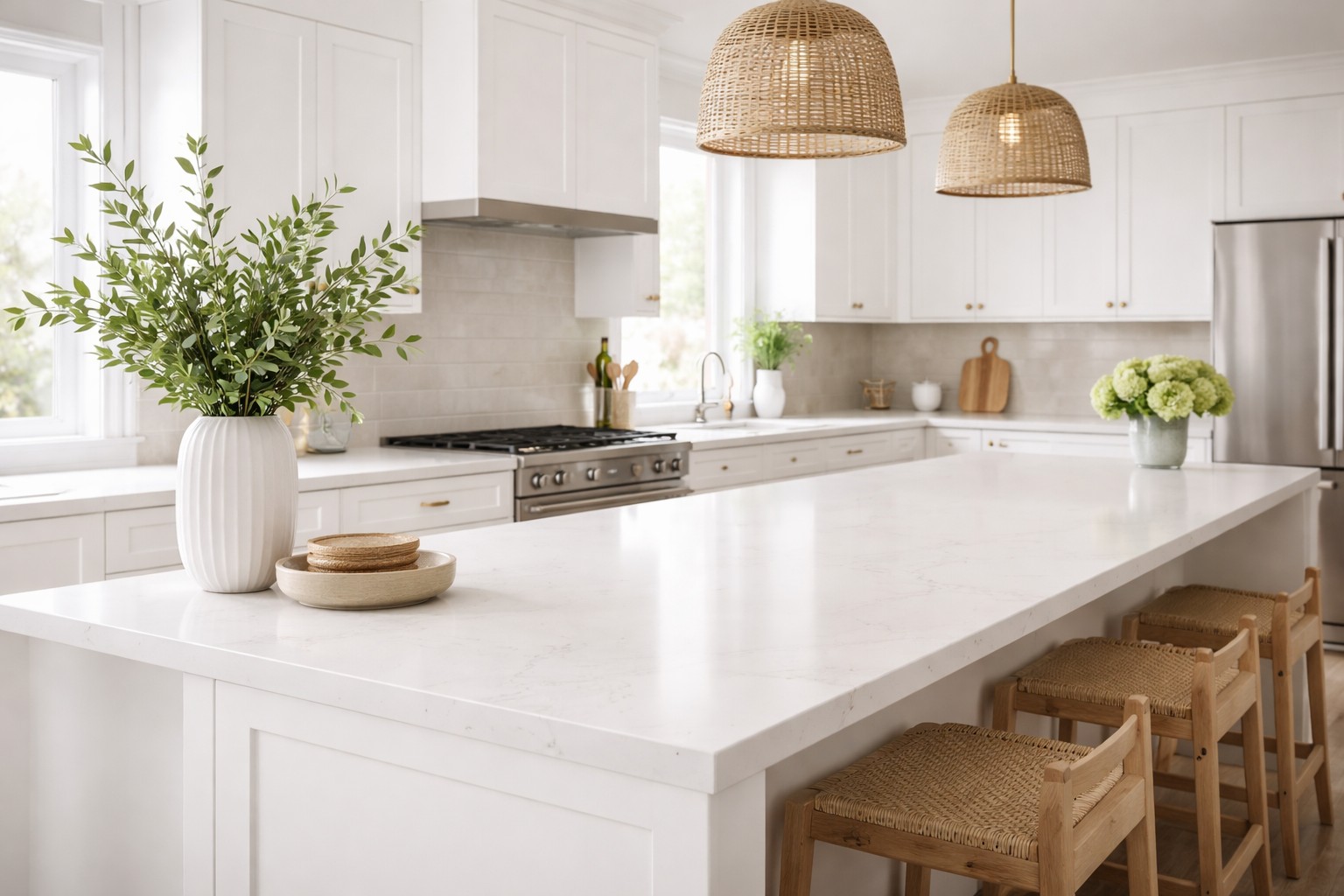
Empty countertops in the kitchen or a free console in the hallway create architectural geometry. They focus on the shapes of furniture and the quality of materials, rather than on the contents of your pockets or purchases from the supermarket. This is the most budget-friendly way to improve the status of your home.
Increased concentration
For those who work from home, a clean desk is a productivity tool. Chaos on the table often reflects and provokes chaos in thoughts. Peripheral vision captures objects around us, and they unconsciously distract us from the task.
Free space in front of your eyes helps you focus on the main thing. With just your laptop and maybe a glass of water on your work surface, there’s nothing competing for your attention.
Safety and hygiene
This is especially true for the kitchen and bathroom. The fewer objects there are on the countertops, the fewer surfaces for dust and grease to settle, which mix into a hard-to-remove coating.
Kitchen gadgets and cosmetics stored in closed cabinets stay clean longer. This is not only a matter of aesthetics, but also a question sanitary safety at home, since open surfaces are easier to disinfect.
The habit of leaving surfaces empty creates a completely different quality of life, where space works for a person, and not vice versa. Order ceases to be a daily struggle and becomes a natural background to life.
About the Author