Many of us are accustomed to carefully choosing household chemicals and cleaning equipment, but we often forget about one important nuance. The instrument, which is designed to keep things clean, itself needs regular disinfection. If you ignore this step, routine cleaning can turn into spread of germs throughout the house.
Ideal environment for microorganisms
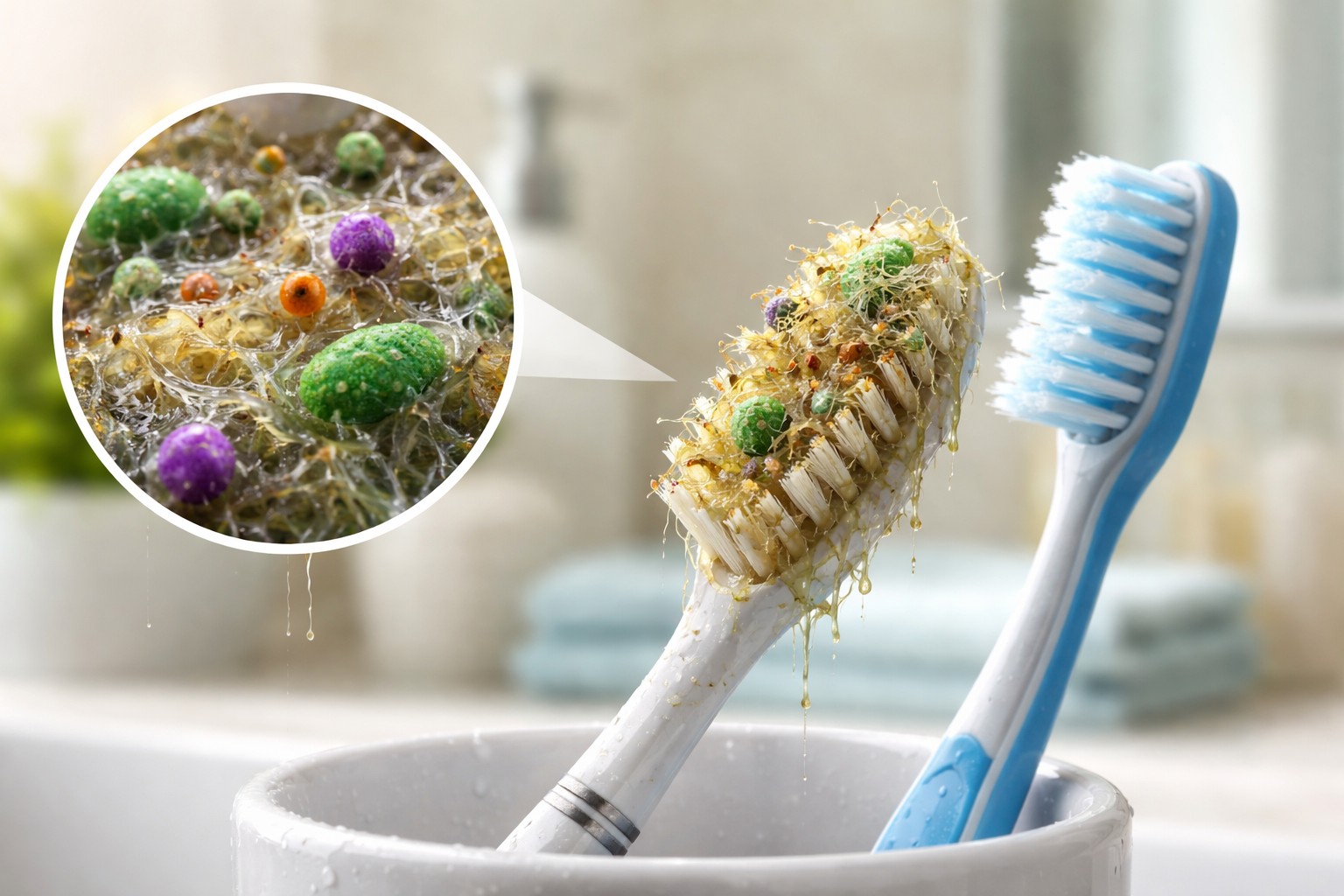
The main problem with any brushes, whether kitchen, household or toilet, is their structure. Particles of dirt, grease and organic residues get stuck between the thick bristles. Combined with water this creates favorable climate for the propagation of pathogenic flora. Without washing and drying, moisture remains at the base of the pile, where mold and mildew begin to actively develop.
Reverse pollution effect
When you use a dirty brush, you are not cleaning the surface, but rather smearing accumulated bacteria onto it. This is especially critical for:
-
Kitchen brushesin contact with dishes and food debris.
-
Brushes for cleaning bathtubs, where a warm and moist environment encourages the growth of microorganisms.
-
Toilet brushes, which require mandatory disinfection after each use.
Visually, an object may appear clean, but at the microscopic level it already poses a biological threat.
Extending the service life of inventory
Regular washing is not only a matter of hygiene, but also of economy. Dried dirt and scale make the bristles hard and brittle, or, conversely, cause them to deform. Accumulating deposits at the base of the tufts can lead to lint loss. A clean tool retains its abrasive properties longer and copes with dirt better without damaging delicate surfaces.
To avoid problems, simply rinse your brushes with hot water and detergent after each use and let them dry completely in an upright position. Properly maintaining your equipment ensures that your cleaning experience is truly clean and safe.
About the Author