Many people are accustomed to putting plates and cups on shelves immediately after washing, believing that the water will drain on its own. However, this habit can lead to unpleasant consequences not only for the kitchen set, but also for household health. Ignoring the drying step creates hidden dangers that are often forgotten in the daily rush.
An ideal environment for bacteria
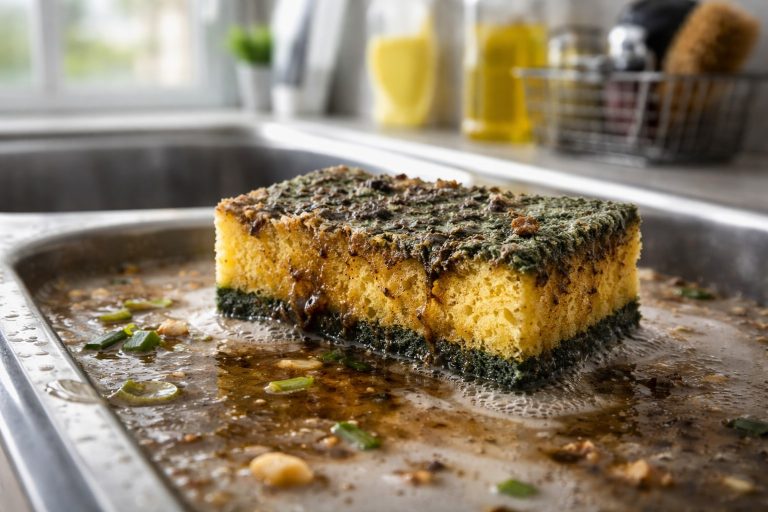
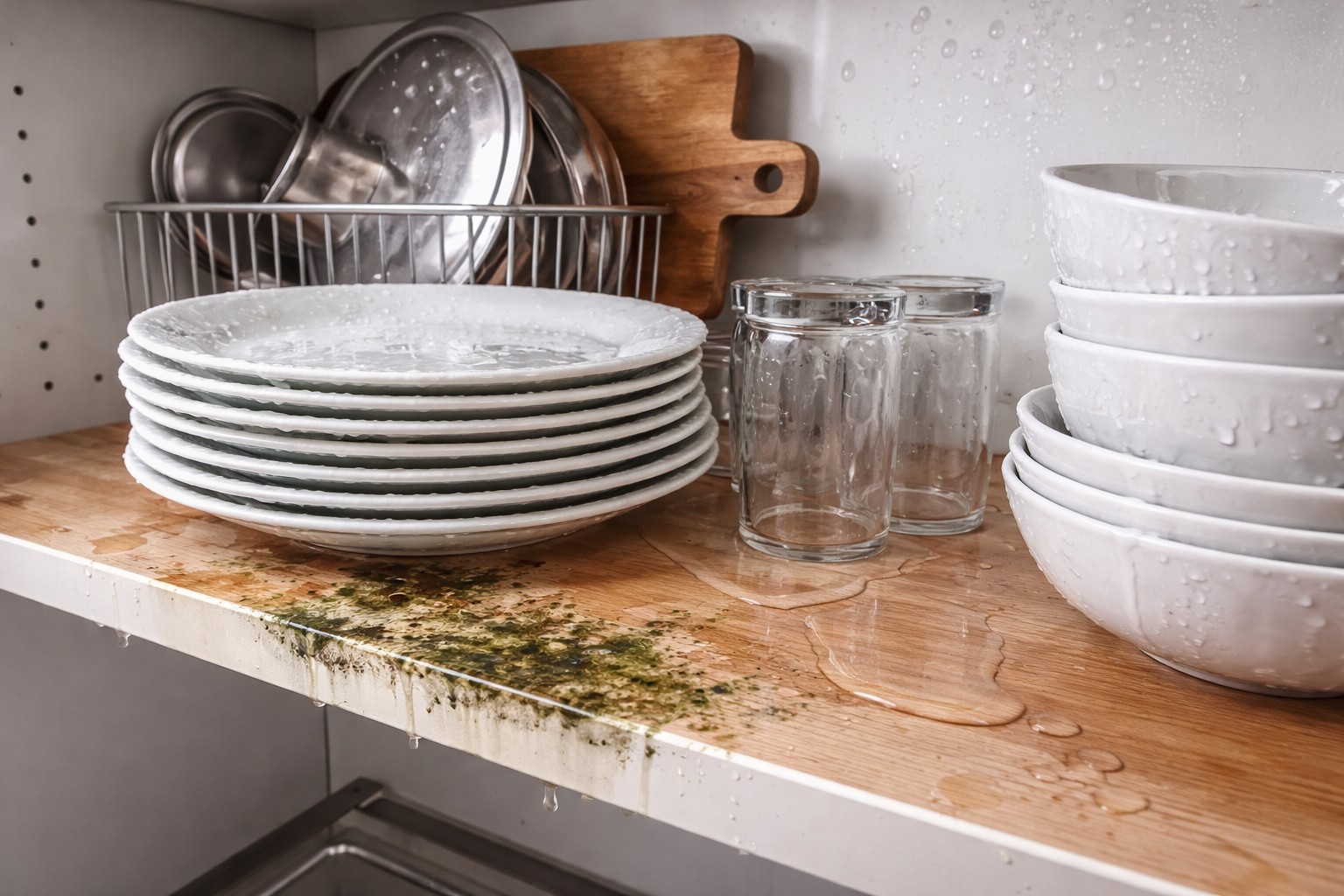
The main reason why it is necessary to dry dishes lies in microbiology. A closed kitchen cabinet, where wet utensils fall, becomes a place of increased humidity and heat. These conditions are ideal for breeding bacteria and fungus. If you stack plates, water remains between them for many hours, turning clean-looking dishes into a breeding ground for germs. Even residual moisture can contribute to the appearance of black mold in the corners of cabinets.
Damage to kitchen furniture
Most modern kitchens are made from materials that are sensitive to constant contact with water. Chipboard and MDF, when regularly wet, begin to swell and deform. Moisture dripping from plates accumulates in shelf joints and trays. Over time, this leads to peeling of the coating and the appearance of persistent musty smellwhich is extremely difficult to get rid of without replacing furniture.
Aesthetics and limescale
If the water in your area is hard, the natural drying of the dishes is guaranteed to leave marks. Drops of water evaporate and form whitish spots and stains consisting of calcium and magnesium salts. This is especially noticeable on glass goblets, dark ceramics and stainless steel cutlery. To make the dishes look neat and festive, they must be wiped immediately dry towel or microfiber cloth.
Proper drying of dishes before storage is a simple but important rule of hygiene and home care. This action only takes a few minutes, but helps maintain health, extend the life of kitchen furniture and maintain the perfect appearance of cutlery.
About the Author