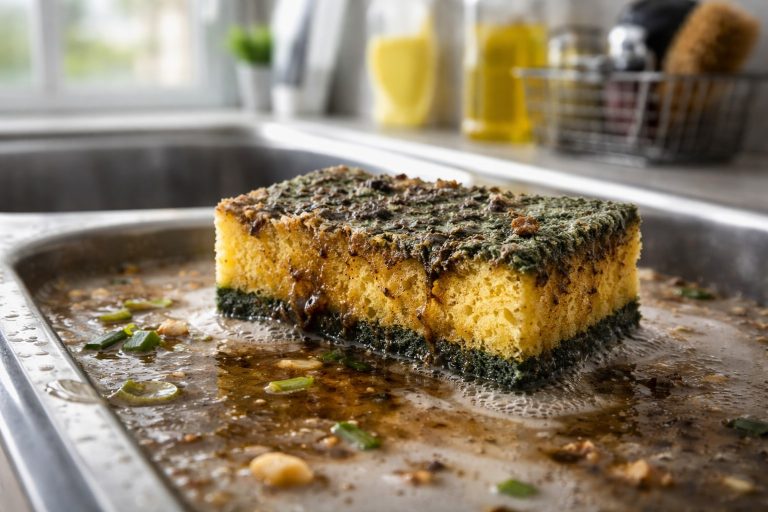
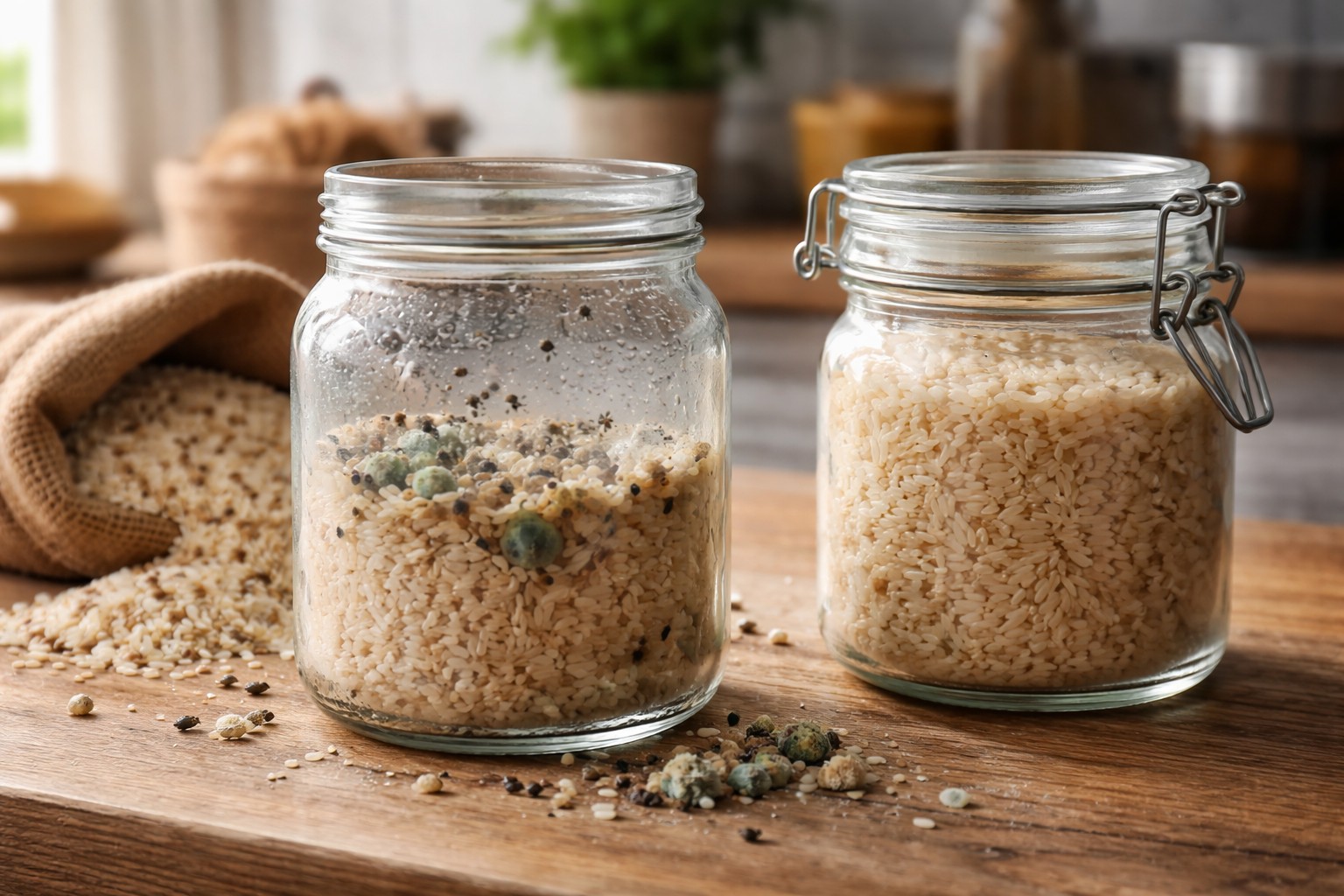
Many people are accustomed to storing rice, buckwheat or oatmeal in original packaging, simply securing the edge with a clothespin or rubber band. However factory packaging once opened it ceases to be a reliable barrier. Pouring bulk products into special containers is not just a matter of aesthetics, but a necessity for maintaining the quality of food and the health of the family.
One of the main problems with open packets is food moth and bugs. Pests are able to penetrate the smallest cracks, and some larvae easily chew through thin polyethylene or cardboard. Sealed container made of glass or hard plastic with a silicone seal creates a physical barrier that insects cannot overcome, protecting your supplies from infestation.
The second hidden threat in the kitchen is humidity. During cooking, steam settles on surfaces and penetrates into cabinets. Cereals are highly hygroscopic, that is, the ability to absorb moisture from the air. This creates an ideal environment for development mold and pathogenic microorganisms, which are often invisible to the eye, but make the product toxic. The tight lid blocks the access of moist air to the product.
In addition, cereals actively absorb foreign odors. If a pack of spices, tea or household chemicals is stored nearby, rice or semolina will quickly take over this aroma, which will hopelessly ruin the taste of the finished dish. In an airtight container, the product retains its natural aroma and taste, remaining neutral until cooked.
Don’t forget about fat oxidation. Even ordinary cereals contain vegetable fats, which, with constant contact with oxygen, begin to oxidize. This results in a rancid taste and smell of old age. Restricting air access slows down these chemical processes, significantly extending the actual shelf life of the product.
Proper storage organization helps maintain order and save money by preventing spoiled food from being thrown away. Using airtight containers will ensure that your supplies stay fresh, dry and safe to eat for a long time.
About the Author