Grease stains on clothes are considered one of the most persistent and insidious stains that can hopelessly ruin your favorite item. The main mistake that many people make is trying wash the stain with hot water or simply throw the clothes in the washing machine without pre-treatment. To get fabric clean again, it is important to act quickly and use proven products that break down the fat structure before it becomes embedded in the fibers.
First aid for fresh contamination
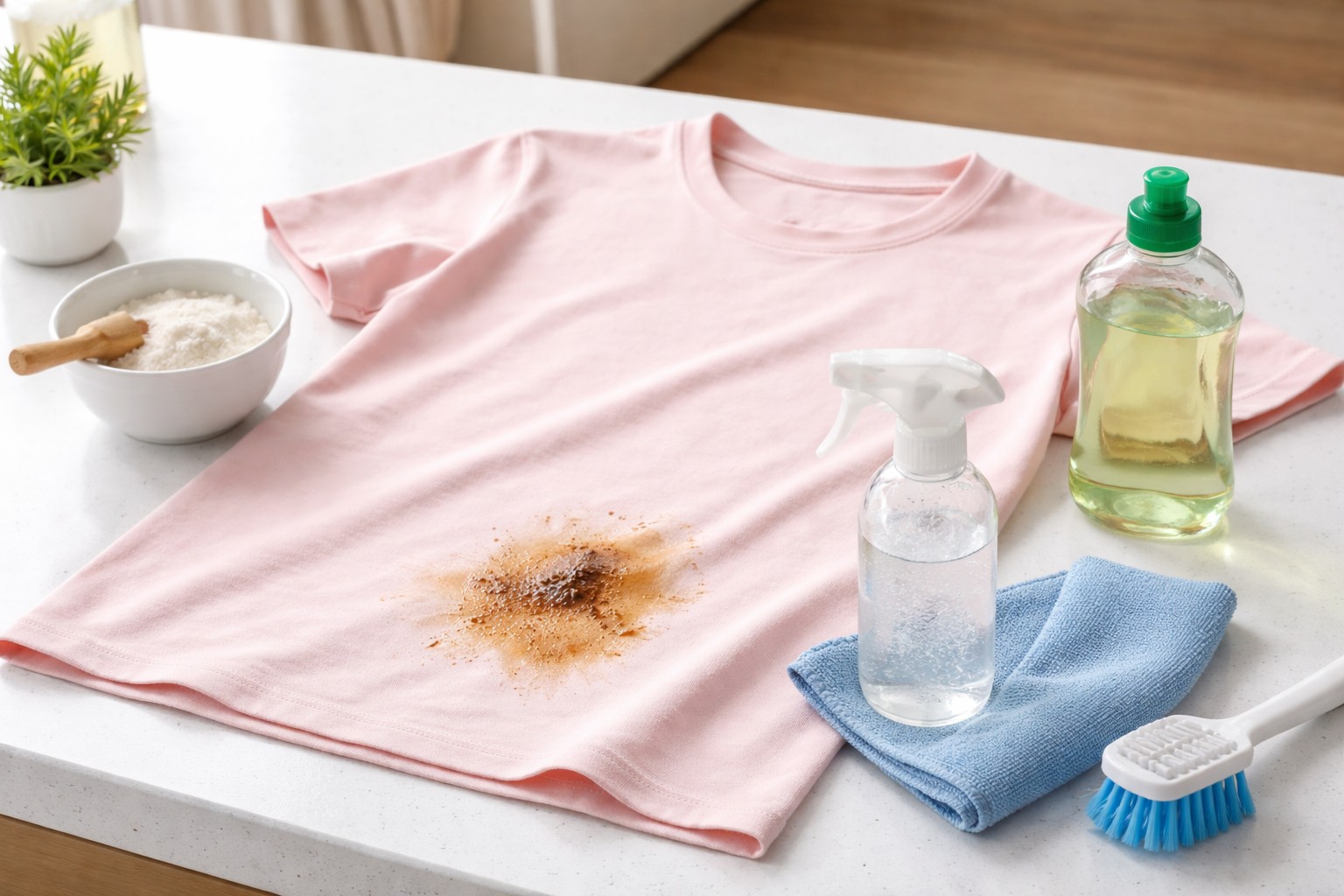
If trouble has just happened, do not rub the oil with a napkin under any circumstances, as you will only increase the area of contamination. Your task is absorb fat. The following products are ideal for this and are found in any kitchen: regular salt, soda, starch or even baby powder.
Sprinkle the powder generously onto the stain and lightly press it into the fabric. Leave for 10-15 minutes to allow the absorbent to absorb the oil. After this, shake off the powder. If the stain is still noticeable, repeat the procedure. This simple step will make further washing much easier and prevent fat from penetrating deeply into the fabric structure.
Using dishwashing detergent
The most affordable and effective fat solvent is dishwashing gel. Its formula is specially created to break down fatty compounds even in cool water. Apply a drop of the thick product directly to the stain, rub it in lightly with your fingers or a soft sponge and leave for 20-30 minutes.
After this, rinse the area with warm water. If the fabric is thick, you can gently rub the stained area. For delicate fabrics such as silk or wool, be careful not to damage the fibers. Laundry soap also works on a similar principle and copes well with dirt if you lather the area and leave the item to “rest” before the main wash.
Fighting old stains
Old greasy marks are more difficult to remove, but quite possible. This is where it comes to the rescue glycerol. This pharmaceutical product can soften even dried fat. Apply a couple of drops of glycerin to the stain and wait half an hour. Then blot the area with clean cotton wool or gauze.
For light-colored items, you can use a solution of ammonia and water in a ratio of 1:2. However, before use, be sure to test the composition on an inconspicuous area of clothing to ensure that the fabric does not lose color. The high concentration of active substances helps break down old fat molecules, preparing the item for the final wash.
Final stage of cleaning
After pre-treatment using any of the above methods, clothes must be washed in a machine or by hand. Be sure to follow temperature regimeindicated on the product label. For cotton fabrics and synthetics, a temperature of 40–60 degrees is usually suitable, which helps to completely wash out any remaining grease and detergent.
Proper care and timely response allow clothes to return to their neat appearance without expensive dry cleaning. The main rule for success is not to put off stain removal until later and to use grease-breaking agents before contact with water. Taking good care of your items extends their lifespan and saves your budget.
About the Author