A stain from a leaking pen on a shirt or jeans is often perceived as a death sentence for the clothes. Many people immediately throw the item in the trash or “to the country”, believing that blue or black stains cannot be removed. In fact, most ink stains can be removed if you act quickly and know the right techniques, which are common in every home.
The most important rule is don’t rub. Intense friction only drives the pigment deeper into the fabric fibers and increases the area of contamination. The first thing you need to do is carefully get wet fresh stain dry paper napkin or towel to remove excess liquid. The less ink left on the surface, the easier the cleaning process will be.
Use of products containing alcohol
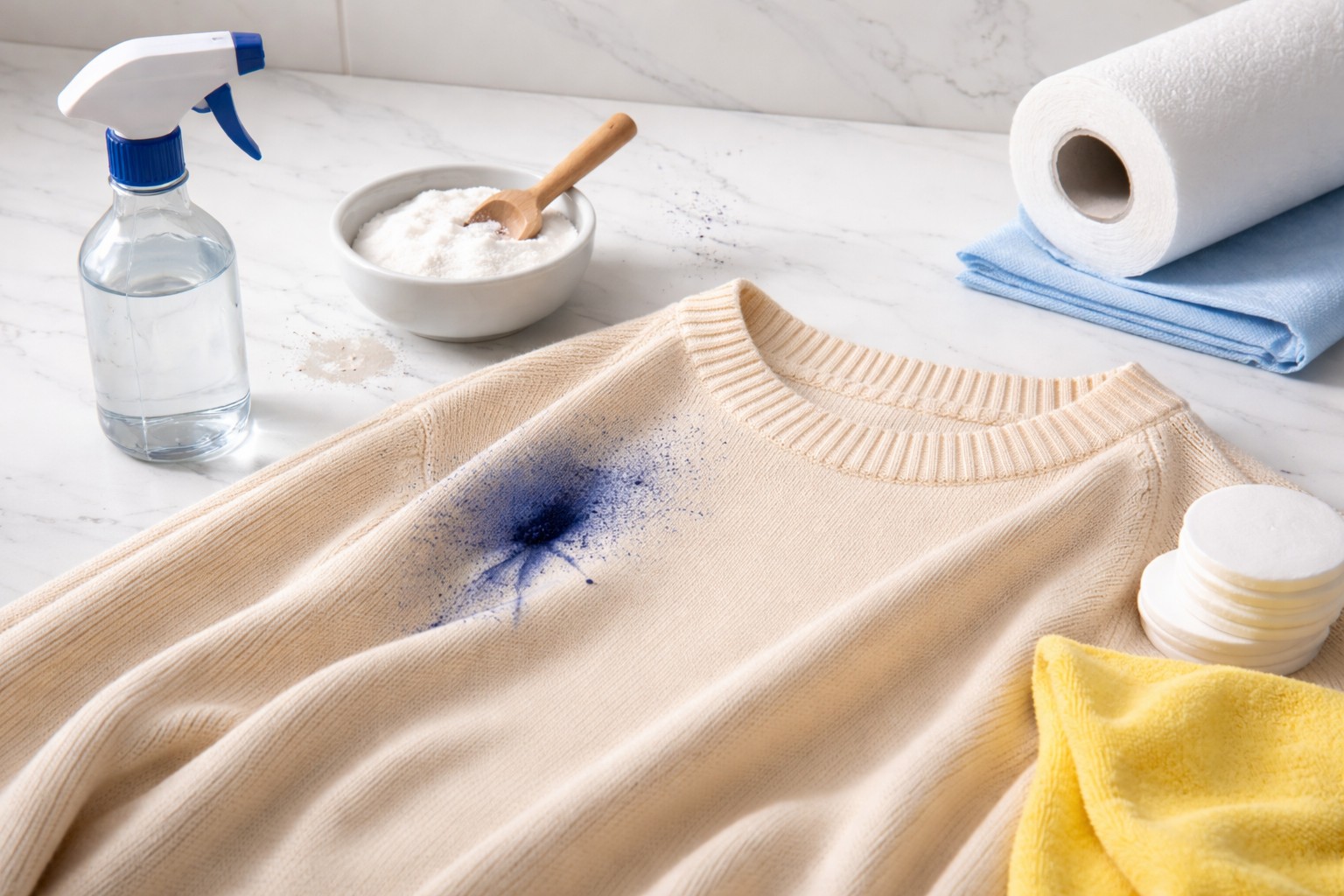
One of the most effective ink solvents is regular medical alcohol or vodka. They destroy pigment without damaging most tissues. Place a clean towel under the stain, soak a cotton pad in alcohol and use gentle blotting movements to treat the stain. Change the cotton as you color it to avoid smearing the dirt.
Milk method for delicate fabrics
If a blouse made of silk or fine synthetics is damaged, aggressive agents can ruin the structure of the material. In this case it will help warm milk. Warm it slightly and soak the contaminated area for several hours (you can leave it overnight). Milk fats and enzymes gently dissolve the ink, after which the item just needs to be washed as usual.
Hairspray as a stain remover
An old but proven life hack – using hairspray alcohol based. Spray the product directly onto the stain from a short distance until the fabric is thoroughly saturated. Leave it on for a couple of minutes to allow the polish to take effect, then blot the area with a clean, damp cloth. Repeat the procedure until the pen marks completely disappear.
Lemon and baking soda for old stains
For stubborn stains, a mixture is suitable lemon juice and baking soda. Make a thick paste, apply it to the stain and leave for 15-20 minutes. The acid will help break down the dye, and the baking soda will act as a mild absorbent. This method is especially good for thick natural fabrics such as cotton or linen.
After any treatment, be sure to wash your clothes in cool water. Hot water can “cook” remaining pigment, making it impossible to remove. Using a suitable stain remover before washing will seal the result and return items to their original appearance.
A timely reaction and the right choice of product can save your wardrobe without dry cleaning.
About the Author