Proper organization of space in the refrigerator is not just a matter of order, but a real way to save money and time. We often make the mistake of putting all the food in one box, which causes it to spoil within a couple of days. Learn simple rules that will extend the life of your stock and preserve its taste.
Fresh zone and humidity control
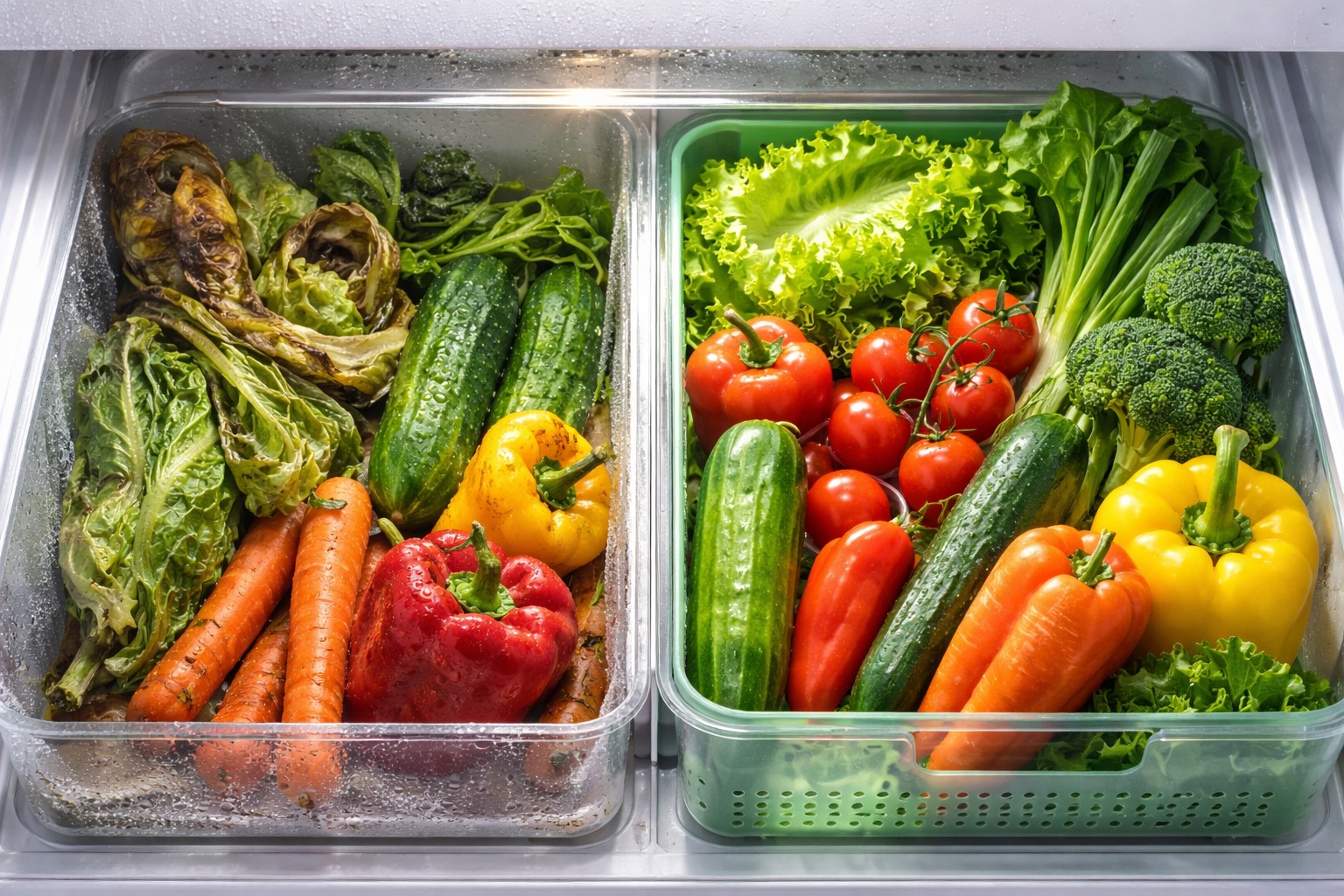
Most modern refrigerators are equipped with special drawers where you can adjust the humidity level. This is a critical point for different types of products. Leafy greenssalads and herbs love high humidity, otherwise they quickly lose their elasticity. For them, it is better to close the drawer flap. Against, roots and fruit, which can rot from dampness, requires air circulation and low humidity.
Dangerous neighborhood and ethylene gas
Some vegetables and fruits emit ethylene – a gas that accelerates ripening. If you put sensitive foods next to them, they will spoil instantly. Never store together apples and carrots, as well as tomatoes and cucumbers. It is generally better to keep tomatoes at room temperature, since cold destroys their structure and aroma, making them “cotton-like.”
Preparation before storage
The main mistake many housewives make is washing vegetables before putting them in the refrigerator. Extra moisture on the surface provokes the development of mold and bacteria. Food should be washed immediately before cooking. If you bought dirty potatoes or carrots, it is better to simply brush off the soil with a dry brush. The exception is greens, which can be washed, but then be sure to dry thoroughly and wrap in a paper towel.
Packaging matters
Plastic bags tied tightly in a knot create a greenhouse effect. Vegetables “suffocate” in them and begin to rot from the inside. Use perforated bags or special containers with ventilation. For carrots, beets and radishes, it is useful to cut off the tops, as they draw moisture from the root crop, making it flabby.
Features of storage of individual types
Each vegetable requires an individual approach. Cabbage fits perfectly in cling film, which prevents the cut from drying out. bell pepper stores better in a paper bag in the main compartment rather than in a drawer, as it does not require too low a temperature. Eggplants and zucchini are also sensitive to cold and may turn brown, so place them on the top shelves or doors.
Following these simple principles will allow you to throw away spoiled food less often and enjoy fresh meals every day. Regular inspection of your refrigerator and proper product placement will become a useful habit for your budget and health. Proper storage of vegetables makes the diet better and more varied.
About the Author