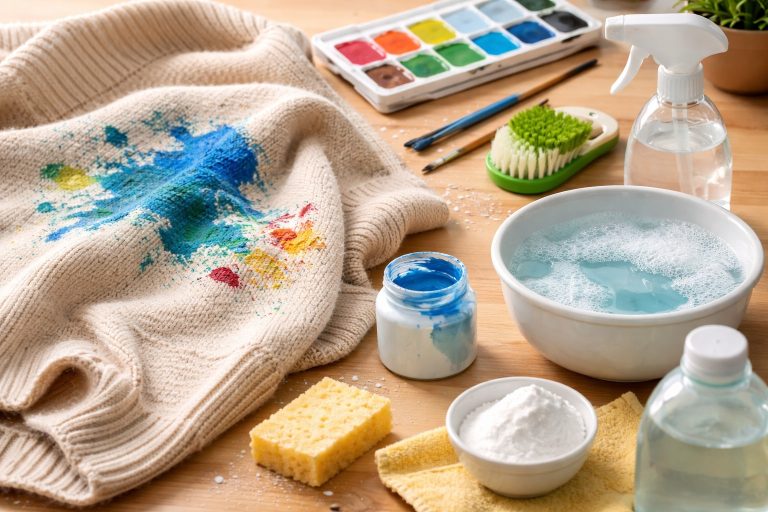
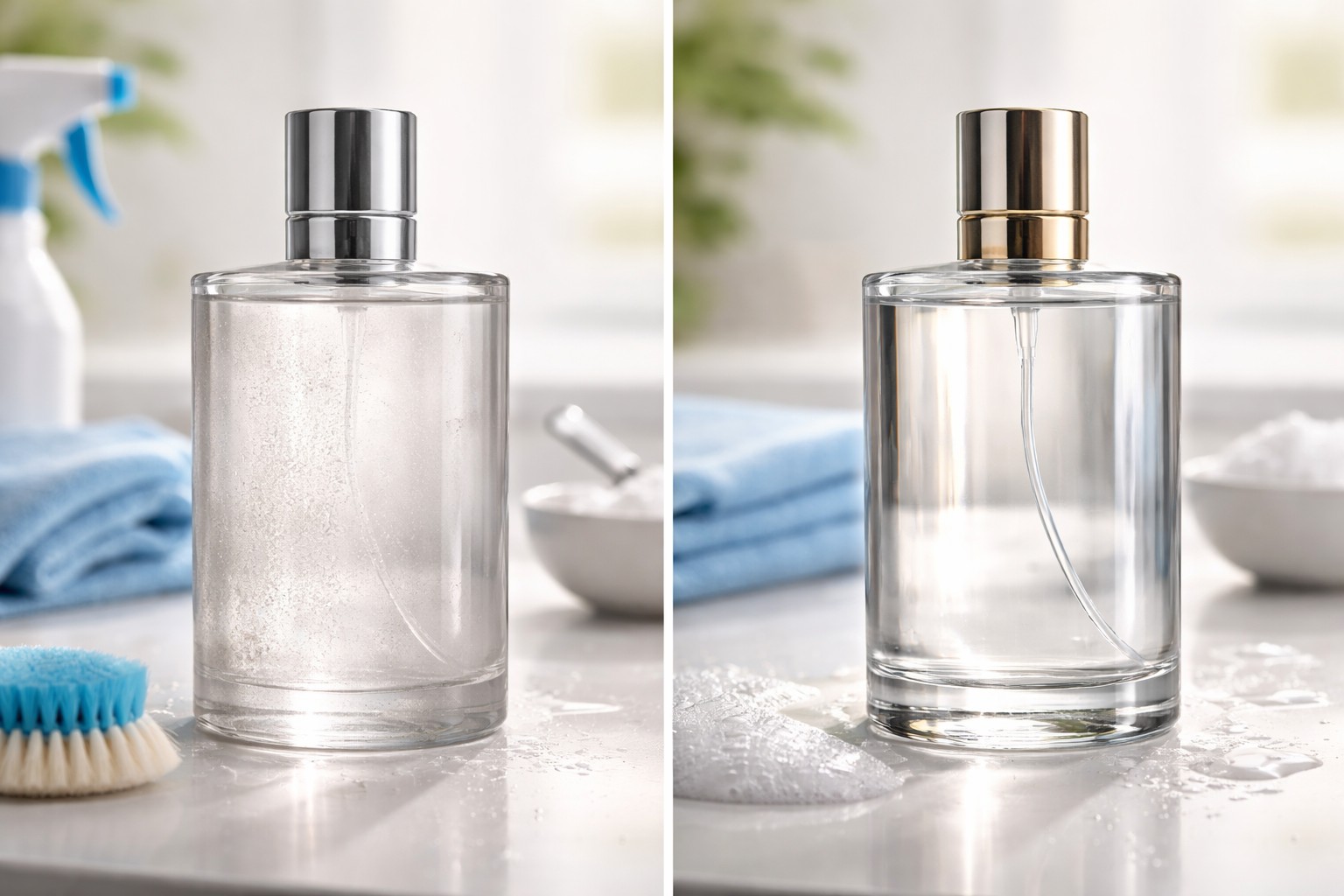
Many people face a problem when their favorite glass vessel or collection bottle loses its transparency. Over time, it forms on the walls whitish coatingresidual essential oils or limescale deposits that cannot be removed with plain water, especially if the container has a narrow neck. It’s a shame to throw away such things, but it’s also unpleasant to use them in this form. There are several proven methods that work better than expensive chemicals.
Mechanical cleaning using cereals
The most effective way to get into hard-to-reach areas inside curved glass is to use a natural abrasive. This method is ideal if there is still oily layer or dried perfume.
-
Take raw rice or buckwheat. One tablespoon is enough.
-
Pour the cereal inside the container.
-
Add some warm water and a drop dishwashing detergents.
-
Shake the bottle vigorously for several minutes.
-
The grains work like hundreds of small brushes, mechanically removing dirt from the walls without scratching the glass.
Dissolving limescale
If the problem is cloudy glass from hard water, mechanical cleaning may not help. This is where a chemical reaction comes into play that breaks down mineral deposits.
-
Mix table vinegar with water in a 1:1 ratio.
-
Pour the solution into the container to the very top and leave overnight.
-
Acetic acid will delicately dissolve calcium deposits.
-
In the morning, rinse the product thoroughly with clean water and let it dry naturally, turning it upside down.
Removing alcohol and perfume stains
Old perfume bottles often suffer from a film left by essential components. Water is powerless here, since oils repel moisture. To return crystal purity, you will need an alcohol-based solvent.
-
Use medical alcohol or vodka.
-
Pour the liquid inside and let stand for about an hour, shaking occasionally.
-
Alcohol instantly dissolves old oils and disinfects the inner surface.
-
For external polishing, use a lint-free cloth made of microfibersoaked in glass cleaner to remove fingerprints and provide a final shine.
Regular glass care extends the life of your favorite home furnishings and allows them to be reused to store new scents or for decorative purposes. The combination of an abrasive for mechanical cleaning and an acidic environment for removing deposits ensures that the glass shines again in the light. Now your collection will look perfect.
Would you like me to put together a list of ideas on how you can reuse cleaned beautiful bottles in your interior?
About the Author