The kitchen is the heart of the home, but it often becomes the epicenter of chaos. It seems that as soon as you turn your back, the sink fills with dishes, and crumbs and stains appear on the countertops. Many people know the feeling when cleaning turns into an endless Groundhog Day. However, the secret to perfect order lies not in weekend cleanliness marathons, but in system of micro-habitswhich become an unnoticed part of life.
The introduction of the right algorithms can reduce active cleaning time to 15 minutes a day. The key here is to shift the focus from dealing with the consequences to preventing a mess.
Empty Shell Rule
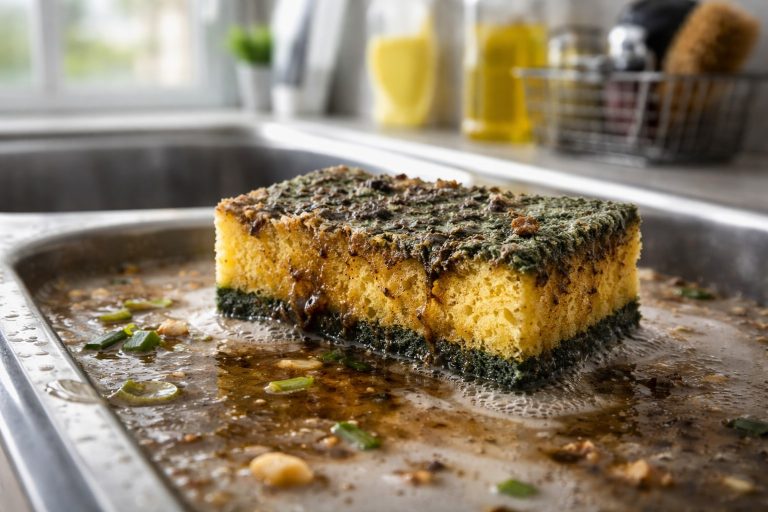
The most powerful psychological trigger for purity is sparkling shell. Dirty dishes tend to attract other garbage: as soon as you leave one plate, cups, wrappers and spoons are immediately added to it. The sink should always be empty, especially before bed.
-
Load the dishwasher immediately after meals, without storing items in the sink.
-
If you wash dishes by hand, do it while cooking, while the onions are frying or the water is boiling.
-
Wipe the faucet dry every evening – this shine creates a feeling of freshness throughout the room.
Removing visual noise
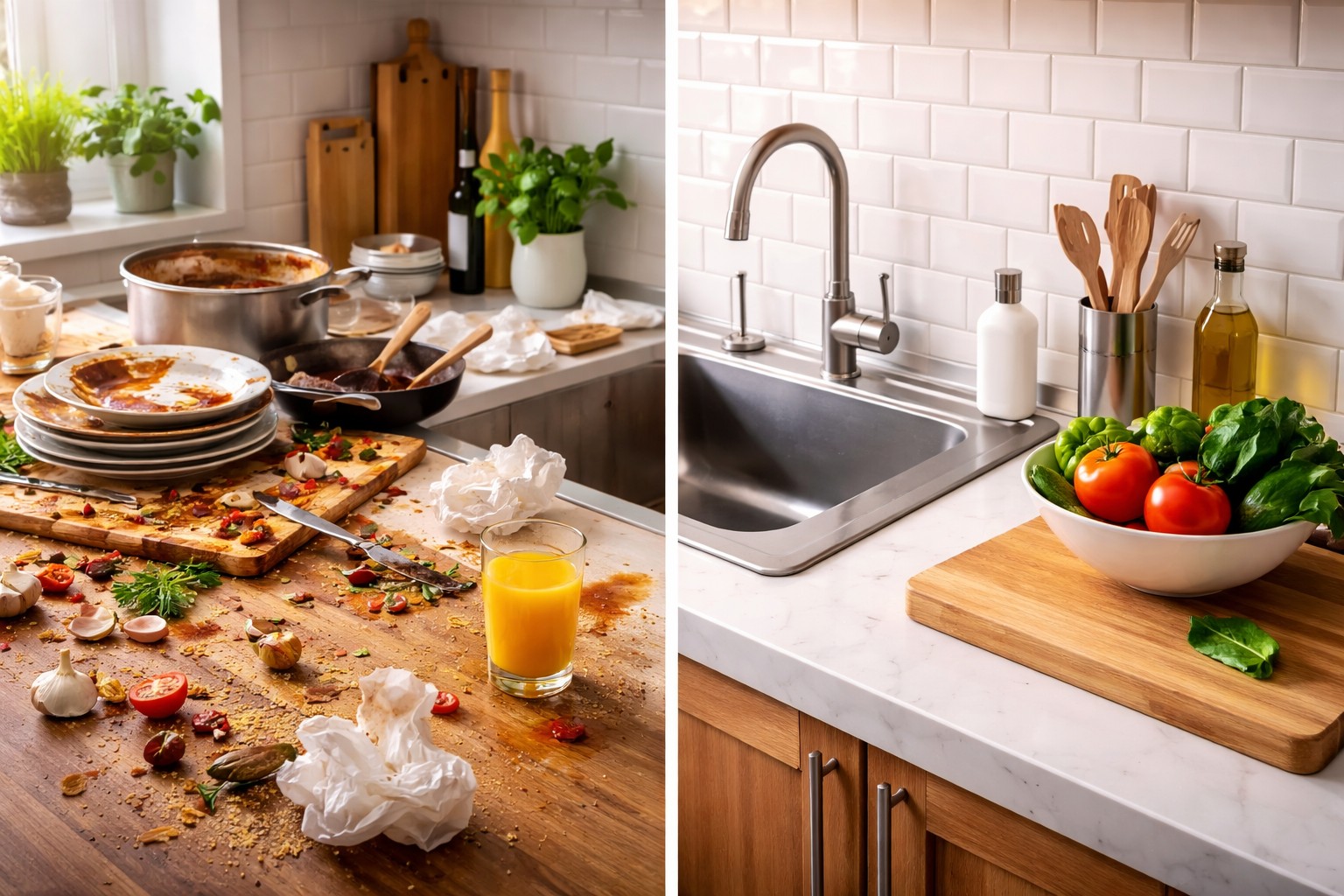
Often the kitchen looks untidy not because of dirt, but because of the abundance of things on horizontal surfaces. Jars of spices, bottles of oil, a toaster, boards and ladles create visual noisewhich our brain reads as a mess.
Try to leave only those items on the countertop that you use daily. It’s better to put everything else in closed cabinets. Use organizers and containers uniform style for storing cereals and small items. When each thing has its own strictly defined place, returning it there takes seconds, and wiping an empty surface is much faster than lifting and rearranging dozens of objects.
Cook and Clean Method
Professional chefs never leave their work area dirty. They use techniques that can be adapted for use at home: clean up as you go. This prevents grease and food debris from drying out, which will be much more difficult to wash off later.
-
Keep an empty bowl handy for peelings while chopping vegetables so you don’t have to run to the trash can.
-
If something spills, wipe up the stain immediately before it becomes embedded in the surface.
-
Return ingredients to shelves immediately after adding them to a dish.
Fight invisible fat
Grease deposits on the upper cabinets and hood are what create a sticky and musty feeling, even if the floors are cleaned. Dust settles on microparticles of fat, forming a dense crust. To avoid this, get into the habit of walking with a damp cloth over facades and horizontal surfaces at least once a week. Usage mild degreasers on a regular basis eliminates the need for aggressive chemical cleaning every six months.
End of the day
The final chord that guarantees a good morning is the evening “zeroing” ritual. It should not take more than 5–10 minutes. This is not a general cleaning, but only returning the kitchen to its original state. Change the towels, run the dishwasher, and wipe down the dining table. Walking into a clean, light-filled kitchen in the morning is much more pleasant than starting the day with sorting out yesterday’s rubble, and this simple action sets the right mood for the entire coming day.
About the Author