
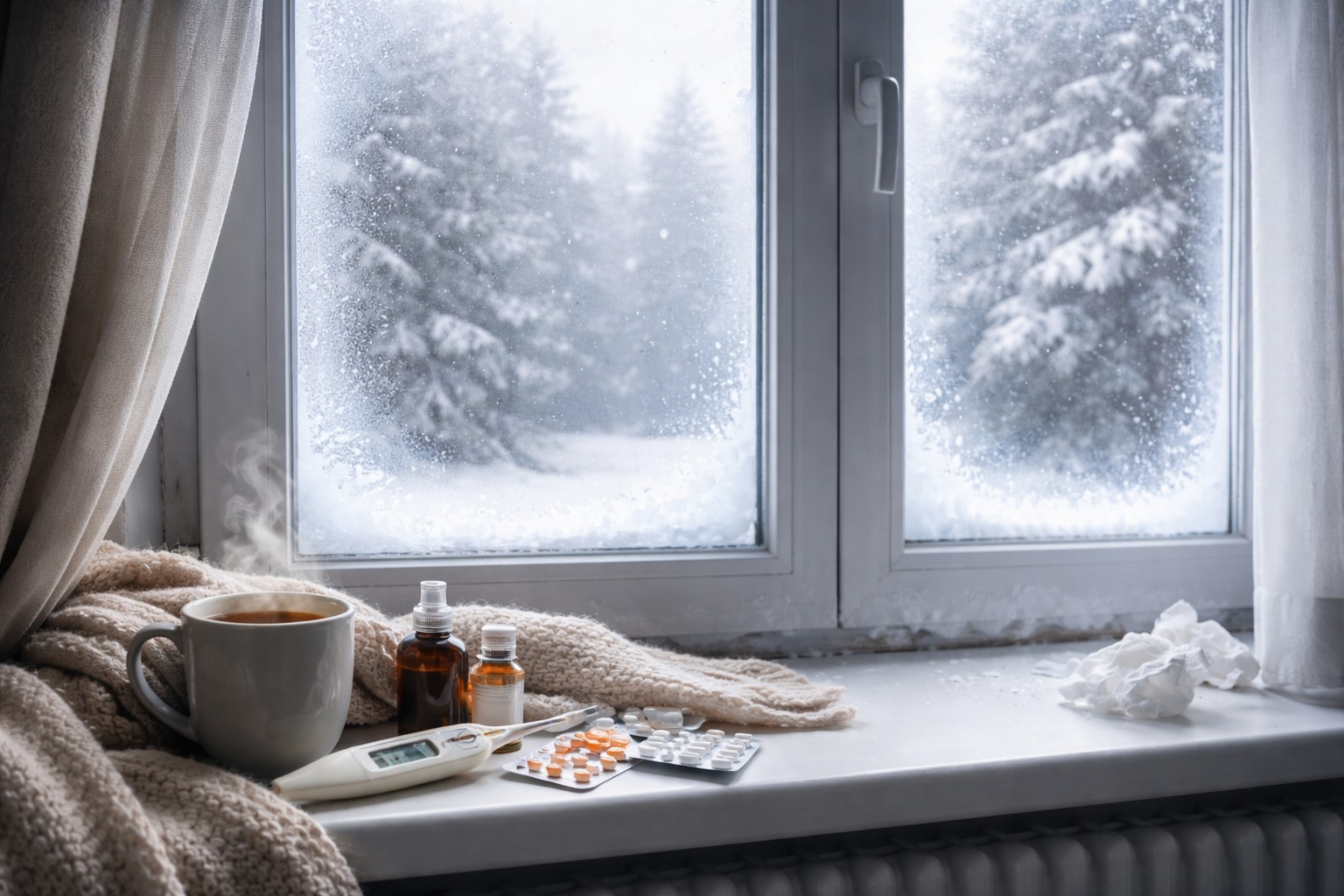
With the onset of frost, the natural desire of every person is to keep the house as warm as possible. We tightly close the transoms, seal the cracks and turn on the heaters, turning the apartment into a sealed thermos. However, doctors and environmentalists warn that such a strategy creates false sense of security. Refusal to ventilate during the cold season often becomes the cause of chronic fatigue and frequent illnesses, the source of which we are accustomed to looking for in viruses or vitamin deficiency.
The invisible enemy in your bedroom
The main problem of sealed rooms is the rapid accumulation of carbon dioxide (CO2). Even if the room is warm and cozy, a high concentration of this gas has a depressing effect on the body. We stop noticing the stuffiness, but the brain begins to experience oxygen starvation. This leads to morning headaches, decreased concentration and a feeling of exhaustion immediately after waking up.
Without a supply of fresh air, the CO2 concentration in a two-person bedroom can exceed normal levels within just a couple of hours. As a result, you wake up not rested, but tired, chalking it up to a hard winter.
An ideal environment for viruses and bacteria
There is a myth that drafts are the main cause of colds. In fact, stagnant air is much more dangerous. In an unventilated area the concentration pathogenic microorganisms grows exponentially. If there is a sick person in the apartment, closed windows turn the room into an incubator for infection.
Regular air exchange literally “washes” viral particles out of the room, reducing the viral load on healthy family members. Fresh frosty air is almost sterile and helps cleanse the home atmosphere.
Danger of mold and moisture
In winter, we often encounter windows fogging up. This is condensation that forms due to temperature differences and high humidity inside. If excess moisture is not removed by ventilation, it begins to accumulate in corners, on slopes and behind furniture. This creates ideal conditions for the emergence black mold.
Fungal spores are a powerful allergen and can provoke the development of asthma or dermatitis. By opening a window, you even out the humidity balance, depriving the fungus of a breeding ground.
How to ventilate correctly
To avoid freezing your apartment but still get the benefits, experts recommend using the method burst ventilation.
-
Avoid constantly using micro-ventilation mode, as it cools walls and furniture, but does not renew the air well.
-
Open the windows wide for 5–10 minutes. During this time, the air in the room will completely change to fresh, and interior items and walls will not have time to give up their heat.
-
Repeat the procedure 2-3 times a day, especially before bed and after waking up.
The body needs fresh air to recuperate well and maintain a high level of energy throughout the day.
Effect on heating devices
Paradoxically, fresh air from the street heats up faster than stale and humid indoor air. Humid air has a greater heat capacity, so batteries require more energy to maintain the temperature in an unventilated room. By regularly introducing dry frosty air, you create a more comfortable microclimate without wasting extra heat.
A competent approach to ventilation in winter allows you to maintain health and vigor even in the most severe frosts.
About the Author