Choosing a product for cleaning the stove depends not only on the degree of contamination, but also on the surface material. An incorrectly selected composition can permanently ruin the appearance of the equipment, leaving scratches or stains. To keep your kitchen sparkling clean, it is important to combine efficiency and care for the surface.
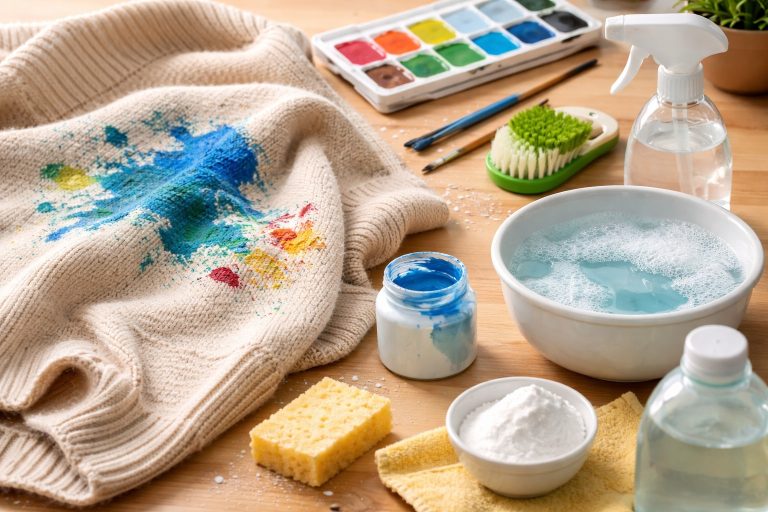
Enameled surfaces are considered the most resistant, but even they do not like abrasive powders. The best solution for them would be gel products or pasta. They gently dissolve fat and burnt food without damaging the top layer. If you don’t have household chemicals at hand, a paste of baking soda and water. The mixture should be applied to the stains, left for 15 minutes, and then simply wiped off with a soft sponge.
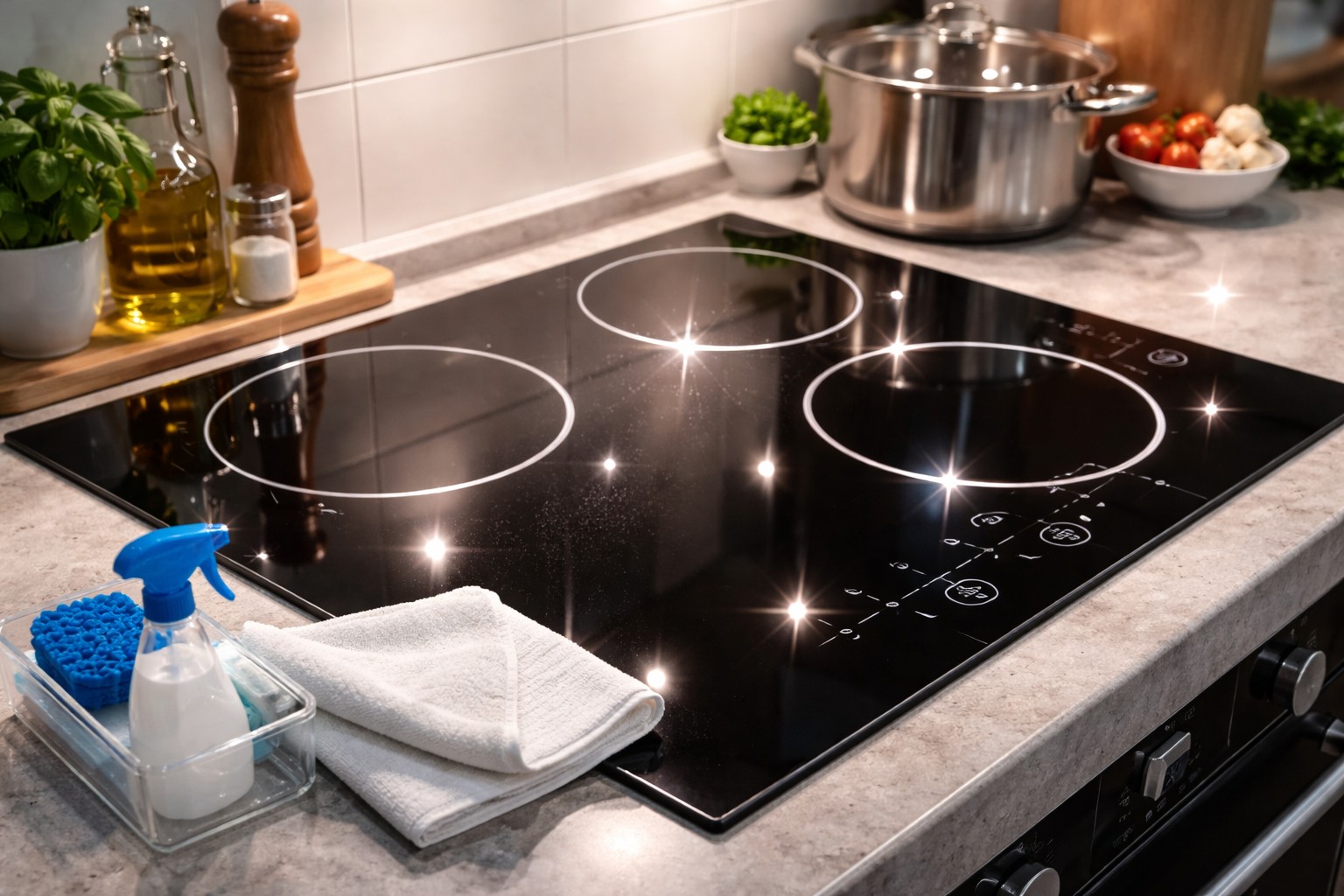
For glass ceramics special conditions are required. This material looks stylish, but is afraid of sugar and hard brushes. The ideal option is special creamy formulations with silicone, which creates a protective film. Does the job well too melamine spongeworking like an eraser. It removes dirt without the use of additional detergents, but requires care when used on glossy surfaces.
Surfaces from stainless steel – the most capricious to care for. Any drops of water and fingerprints are visible on them. Chlorine and hard sponges are strictly prohibited here. To add shine and remove plaque, it is best to use solutions based on vinegar or lemon juice. After cleaning, such a stove must be wiped with a dry microfiber cloth to avoid the appearance of streaks and clouding of the metal.
The most powerful remedy against old soot considered a combination of hot water and steam. If the design allows, removable parts can be soaked in soapy water. This will soften the dirt and allow you to remove it without unnecessary friction. Regular maintenance and the correct selection of tools will help keep your equipment in perfect condition for many years.
About the Author