Winter is a serious test for our shoes, and the main problem is white salt stains. They not only spoil the appearance, but also destroy the structure of natural leather and suede. The reagents literally corrode the material, making it hard and brittle. To save your favorite couple, it is important to act promptly and use the correct cleaning methods found in every home.
Emergency help for leather shoes
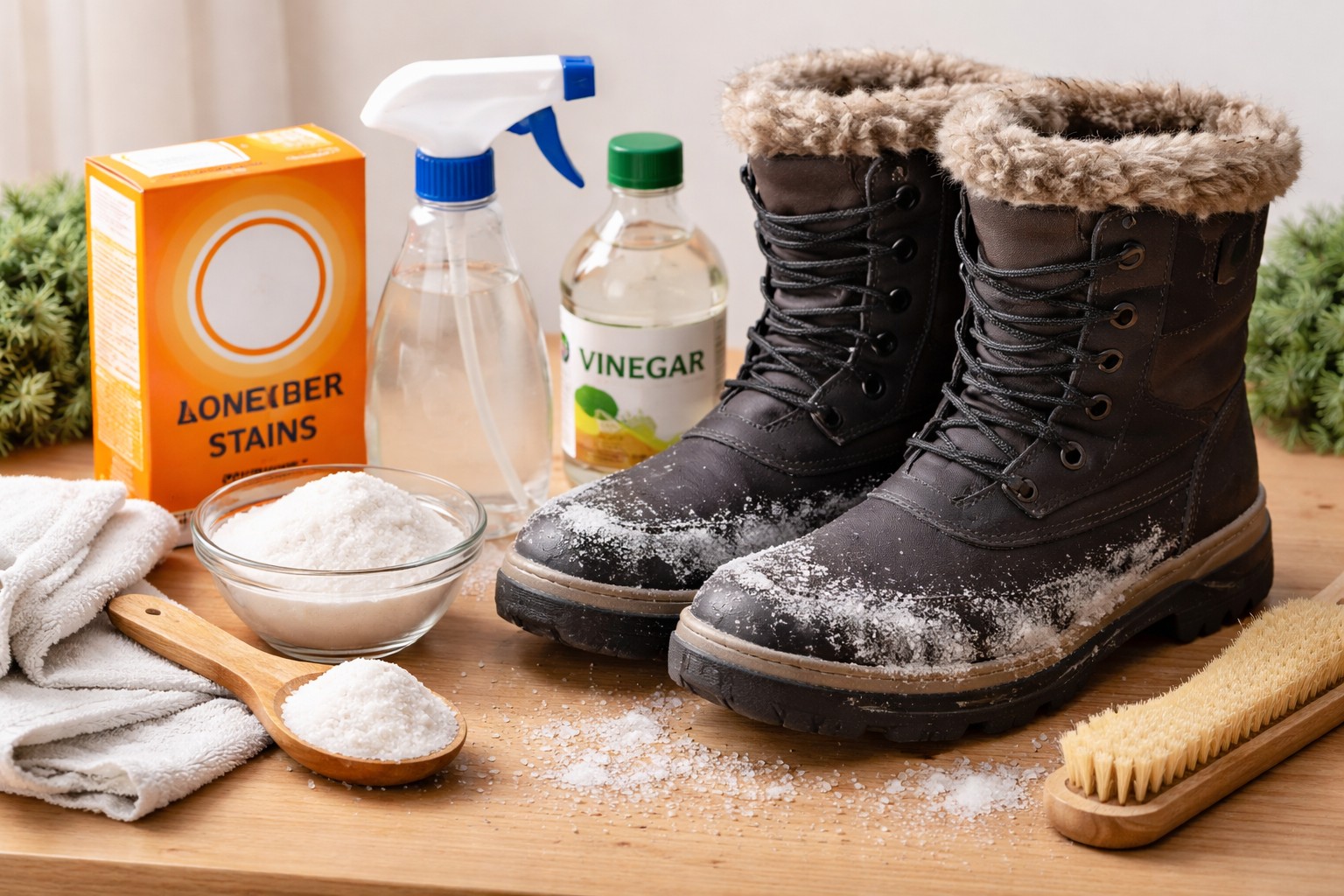
If you come in from outside and notice white spots, don’t put off cleaning. Dried salt is much more difficult to remove. The most effective home remedy is considered table vinegar solution. Mix water and 9% vinegar in a 3:1 ratio. Soak a cotton pad or soft cloth in this solution and gently wipe the affected areas. The acid neutralizes alkali and salt, gently cleaning the surface.
After treatment, be sure to wipe your shoes with a clean, damp cloth to remove any remaining vinegar. When the skin is naturally dry (away from the battery!), apply nourishing cream or wax. This will restore elasticity to the material and create a protective barrier.
Features of cleaning suede and nubuck
Suede requires a more delicate approach, since moisture is contraindicated for it. First, dry the pair thoroughly and walk around special brushto remove dry dirt. If streaks remain, use steam bath. Hold the boot over a pan of boiling water for a couple of minutes without touching the water, and then lift the lint with a rubber brush.
For stubborn stains on suede, a solution is suitable ammonia. Dilute it with water and carefully treat the dirt, being careful not to wet the material too much. After drying, be sure to use a water-repellent impregnation.
Fatty oils against reagents
Another proven method for smooth skin is to use castor oil. It not only removes remaining salt, but also deeply nourishes the skin, preventing the appearance of cracks. Apply the oil to a cotton pad and rub thoroughly into the stains. If the salt appears again, repeat the procedure.
It is important to remember that castor oil may be slightly darken the color light-colored shoes, so it is better to test it on an inconspicuous area. This method is great for rough leathers and work boots that need extra moisture protection.
Prevention is better than recovery
To avoid wasting time removing stains, create a protective layer before going outside. Water-repellent sprays and impregnations fill the pores of the material, preventing salt water from being deeply absorbed. Shoes need to be treated regularly, especially in slushy weather. Proper care significantly extends the life of your items and keeps them looking neat.
About the Author