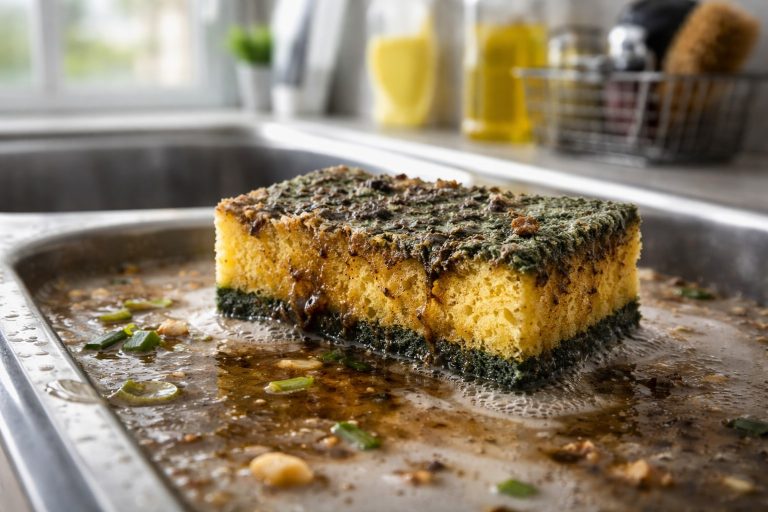

The situation when only an ice stream flows from a tap is familiar to everyone. This could be a seasonal outage, an accident, or the conditions of country life. The main problem with this is congealed fatwhich instantly covers the plates with an unpleasant film and is not washed off with conventional means. However, there are proven methods to achieve squeaky clean results even in such harsh conditions.
The first rule of success is preliminary preparation. Soak is a mandatory step. If food remains dry, it will be almost impossible to scrub them off in cold water without damaging the surface. Immediately after eating, remove large residues with a napkin and place the dishes in a bowl of water. This will prevent drying and soften stains, saving you a lot of time and effort.
The real salvation will be the ordinary mustard powder. This natural remedy acts as a powerful emulsifier. Unlike many chemical gels, which lose effectiveness in cold water and stop foaming, mustard perfectly breaks down fats at any temperature. Simply apply the powder to a damp sponge or dissolve it in water to make your plates sparkle clean. In addition, mustard is easily washed off without leaving a soapy film.
To combat stains from tea, coffee and burnt food, use baking soda. It works as a mild abrasive and disinfectant. Baking soda doesn’t dissolve grease as effectively as mustard, but it does a great job of removing odors and stains. In cold water, soda does not lose its properties, making dishes hygienically clean and safe even for children.
If you prefer store-bought household chemicals, read the label carefully. Choose products that contain enzymeswhich are active at low temperatures. Conventional surfactants often “curdle” in ice water and are difficult to rinse off, so you may need to increase the dosage or time of exposure of the foam to the contaminated surface.
It is extremely important to take care of hand protection. Prolonged contact with ice water causes vasospasm, dry skin and joint discomfort. Use thick ones rubber gloves with cotton lining inside. This will not only keep your skin healthy, but will also allow you to wash dishes more intensively, since you won’t instinctively remove your hands from the cold environment.
The final rinse requires special attention. In cold water, detergents are less easily washed off, so the process must be thorough. If possible, use a gentle stream of running water rather than standing water in the sink to completely remove any remaining scum and dissolved grease.
Knowing these simple physical and chemical properties of household products turns a complex task into a routine procedure. The correct selection of detergent composition and hand protection allow you to maintain hygiene in the kitchen, regardless of the availability of hot water.
About the Author