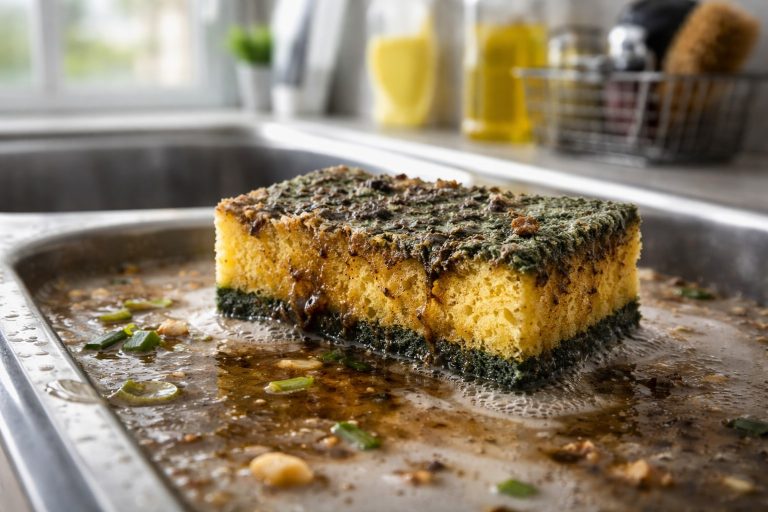
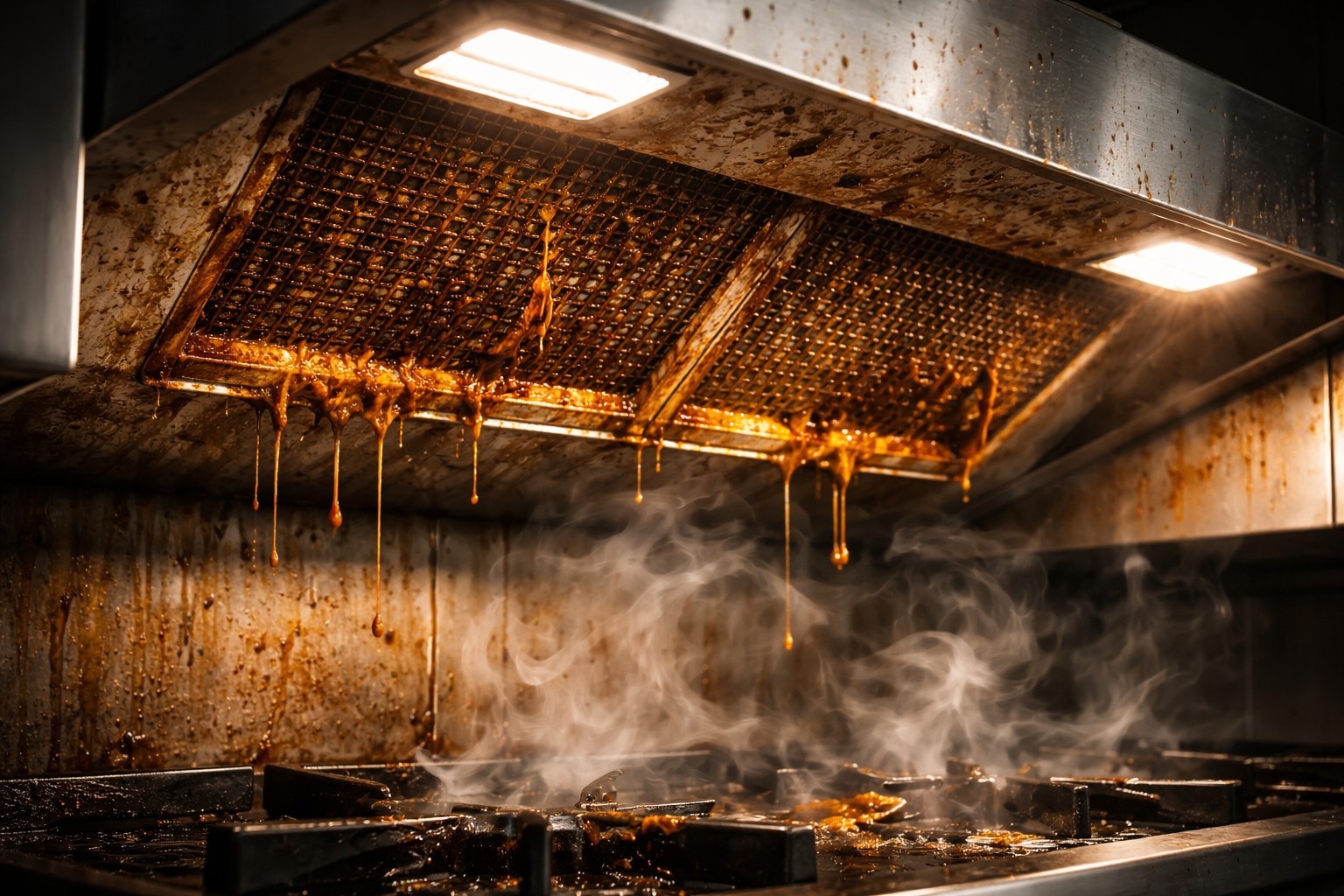
Many housewives polish the stove until it shines while cleaning the kitchen, but often forget to raise their heads and look at the bottom of the hood. Namely, it accumulates there basic dirtwhich over time turns into a dense, sticky layer. Ignoring this element of technology can lead to serious consequences that go far beyond simple aesthetics.
The main function of a grease filter is to protect the internal parts of the device. If the grid is clogged, hood motor starts to wear out. He has to put in a lot more effort to pull air through the layer of hardened fat. This leads to overheating of the motor and significantly reduces the life of the device, turning expensive equipment into a useless, noisy box.
Besides the technical side, there is a real security threat:
-
Risk of fire increases sharply, as old fat is easily ignited by an accidental spark or intense heat from the stove.
-
Decreasing air purification efficiencybecause of which the smells of burning and food settle on curtains and furniture throughout the apartment.
-
The kitchen is disturbed microclimatehumidity and temperature increase during cooking.
Clogged filters become an ideal breeding ground for bacteria and a source of an unpleasant, musty odor that cannot be removed by ventilation. Over time, the sticky substance may begin to drip back onto the cooking surface, ending up in the food being cooked. Regular filter cleaning allows appliances to operate quietly and keeps the air in your home fresh and safe.
About the Author