The quality of the air we breathe at home is often worse than outside due to the accumulation of dust, chemical compounds from furniture and insufficient ventilation. Creating a healthy microclimate does not always require expensive equipment; sometimes it is enough to change a few household habits and add the right elements to the interior.
Houseplants as natural filters
Green spaces not only decorate the space, but also actively process carbon dioxide, releasing oxygen. Some species are capable of absorbing harmful substances such as formaldehyde and benzene. Chlorophytum It is considered one of the most unpretentious and effective cleaners that does an excellent job of removing dirt in the kitchen.
It is also worth paying attention to sansevieria And spathiphyllum. They work around the clock, improving the composition of the atmosphere in the room. It is important to remember that plant leaves must be regularly wiped from dust so that the process of photosynthesis and cleaning occurs as efficiently as possible.
Correct ventilation mode
An open window does not always guarantee high-quality air exchange. It is much more efficient to use the method burst ventilationwhen the windows are opened wide in all rooms for 10–15 minutes. This allows you to completely replace stagnant air with fresh air without cooling the walls and furniture.
This approach is especially relevant in winter. A window that is constantly ajar may result in heat loss but may not provide sufficient oxygen supply. Regular renewal of air masses reduces the concentration of viruses and bacteria in a confined space.
Humidity control
Dry air contributes to raising dust and drying out the mucous membranes, which reduces the body’s natural defenses. The optimal humidity level should be 40–60%. Using a humidifier helps bind micro-dust particles, causing them to settle on the floor where they can be easily removed.
If there is no special device, you can use water tanks near radiators or just dry clothes in the room. However, it is important not to overdo it, as excess dampness can cause mold, which is toxic to the respiratory system.
Fighting dust collectors
Textiles in the interior create coziness, but carpets, heavy curtains and decorative pillows accumulate a huge amount of allergens. Regular washing and cleaning of these items is mandatory. It is worth replacing feather pillows with options with synthetic fillerin which dust mites do not grow.
Wet cleaning should be carried out at least once a week. Particular attention should be paid to hard-to-reach places: the top of cabinets, the space under the bed and behind radiators. The less dust that accumulates on surfaces, the cleaner the air you breathe.
Using air washers and purifiers
For those who live in areas with poor ecology or suffer from allergies, mechanical filtration becomes a necessity. Devices with HEPA filters capable of capturing the smallest particles of contaminants, including pollen and fungal spores.
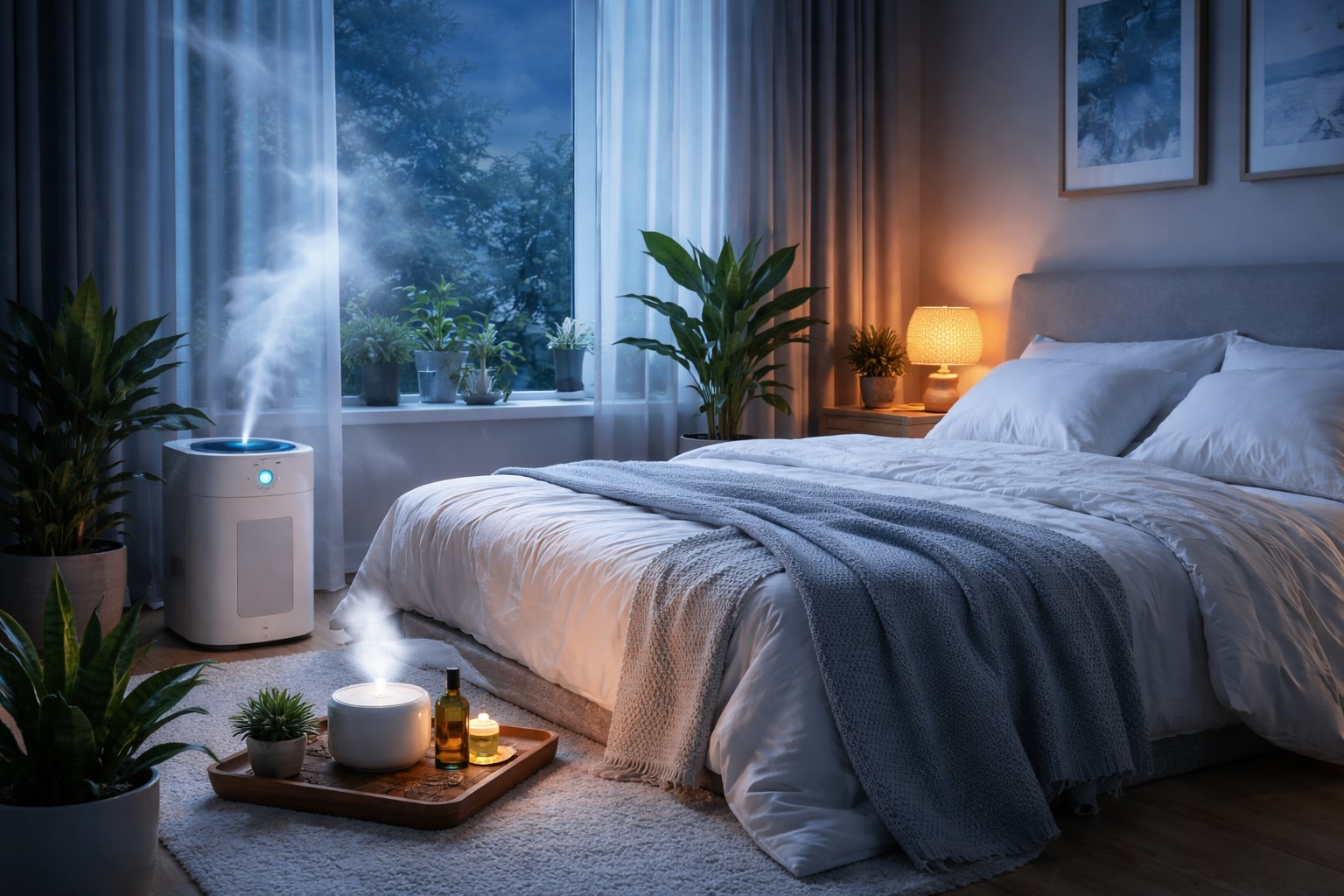
Modern climate control systems often combine the functions of cleaning and humidification. The choice of such a device allows you to comprehensively solve the problem of microclimate, removing unpleasant odors and suspended particles.
A clean and fresh atmosphere in the house directly affects the quality of sleep and the overall health of all family members.
About the Author