Often, when buying clothes, furniture or home textiles, we focus on the style, color or brand recognition. However, the real value of the item is hidden on a small sewn-in tag. Material is a fundamental factor that determines whether a purchase will become a favorite item or a waste of money. Understanding the properties of a fabric or raw material helps you avoid disappointment and makes shopping more informed.
Effect on thermoregulation and comfort
The first and main reason to study composition is your physical comfort. Different materials react differently to body heat and moisture.
-
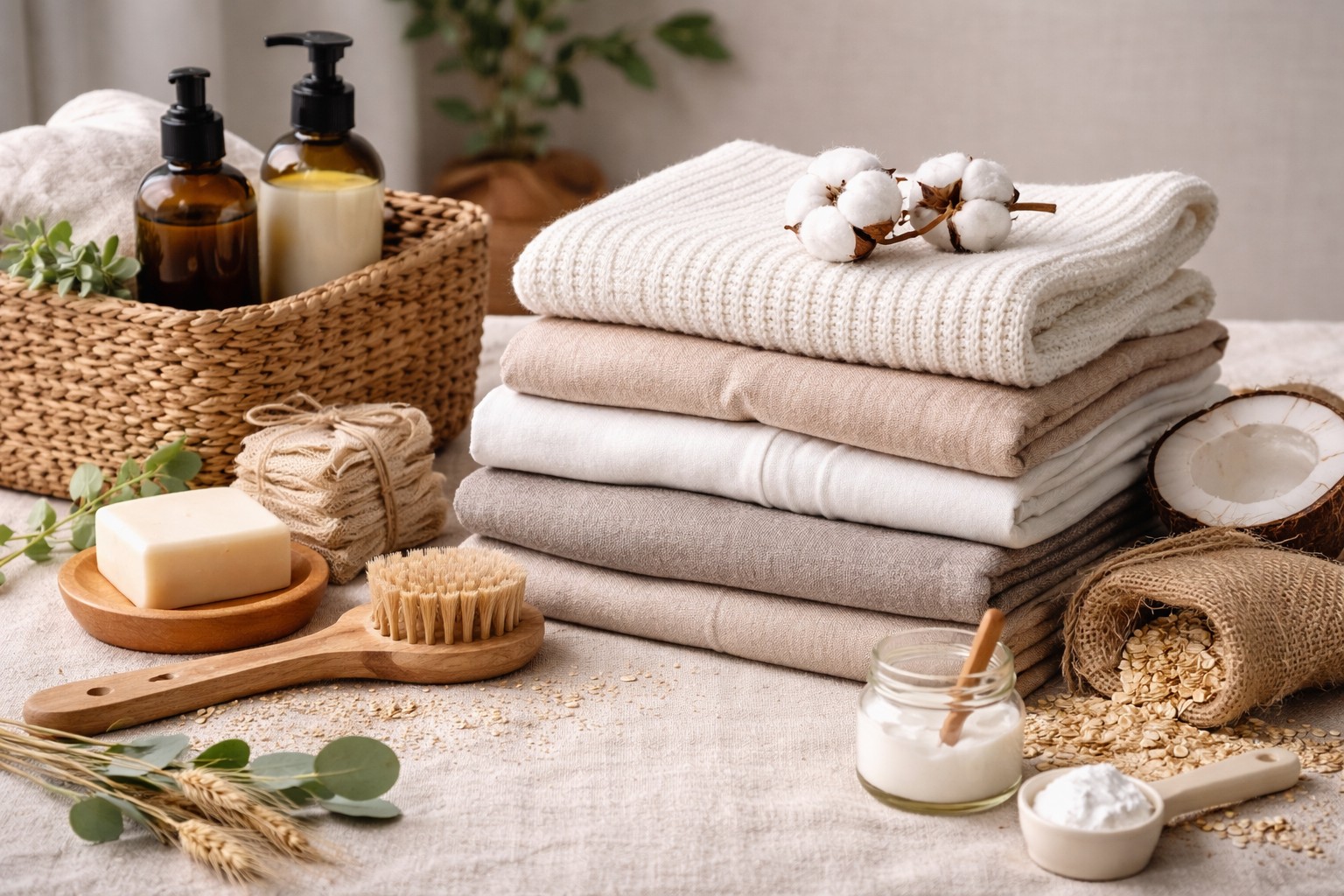
Natural fibers (cotton, linen, wool, silk) are highly hygroscopic and breathable. They allow the skin to “breathe”, remove moisture and maintain optimal body temperature in both hot and cold weather.
-
Synthetic materials (polyester, acrylic) often create a “greenhouse effect”. They may look nice, but they block air circulation, causing increased sweating and discomfort after just an hour of wear.
Taking this factor into account is critical when choosing bedding and underwear, since they are in direct contact with the skin for a long time.
Durability and budget savings
Ignoring the composition often leads to double spending. An item made from low-quality material may lose its presentation after the first wash: stretch, shrink or become covered pellets.
Investing in quality materials such as long-staple cotton, cashmere or full-grain leather pays off in terms of durability. Such products retain their shape and color for years. Cheap synthetic analogues, on the contrary, quickly wear out, forcing you to go to the store again. In the long run, buying one quality item is more profitable than buying five cheap ones that will quickly go to waste.
Difficulty of care
The material dictates the rules of operation. If you are not willing to spend time on hand washing or money on dry cleaning, the composition of the fabric will tell you whether it is worth making a purchase.
-
Fancy fabricssuch as viscose or silk, require delicate handling, special detergents and careful ironing.
-
Blended fabrics (for example, cotton with a small percentage of elastane or polyester added) often combine the best of both worlds: they feel good on the body, but also wrinkle less and are easier to wash.
Checking the label in advance eliminates unpleasant surprises when your favorite sweater is reduced to a child’s size due to the wrong wash cycle.
Safety and hypoallergenic
For people with sensitive skin or allergies, the composition of the material is an issue health. Coarse wool can cause mechanical irritation, and low-quality synthetic dyes can cause a chemical reaction.
Knowing your materials helps you avoid potentially hazardous components. For example, certified organic cotton is grown without the use of toxic pesticides, making it safe even for babies. In construction and renovation, the choice of environmentally friendly materials (wood, glass, paper wallpaper) directly affects the quality of indoor air and the absence of toxic emissions such as formaldehyde.
Careful attention to the composition of products turns ordinary expenses into a long-term investment in your own quality of life.
About the Author