Plastic surfaces surround us everywhere: from window sills and household appliances to food containers. Over time, this material can fade, absorb odors, and become stained. The main difficulty of care lies in the porous structure of the plastic, which is easily damaged by aggressive chemicals or hard brushes. To keep smooth and the original appearance of the products, it is important to choose the correct cleaning methods.
Universal soap solution
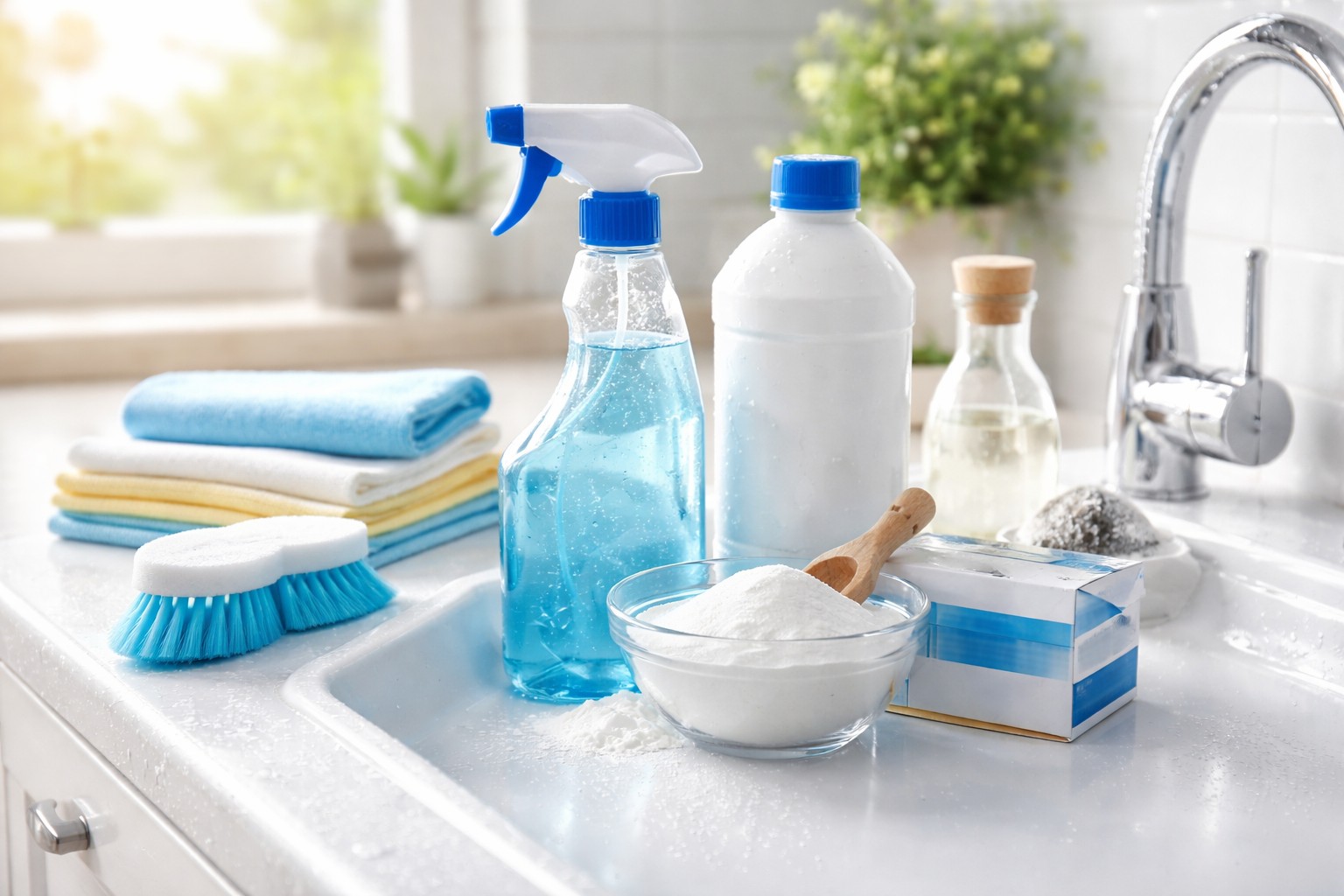
The safest and most affordable way for regular cleaning is the usual soap solution. To prepare it, dishwashing gel or laundry soap shavings dissolved in warm water are suitable. This composition copes well with household dust, fresh dirt and greasy coating on kitchen surfaces. The main rule is to use only a soft sponge or microfiber cloth so as not to leave micro-scratches into which dirt will later become clogged.
Soda for stubborn stains
If persistent stains appear on the plastic, it will help baking soda. However, it must be used with caution as it is a soft abrasive. It is best to prepare a paste by mixing baking soda with a small amount of water until it becomes a thick cream. This mixture is applied to the stain and left for 15–20 minutes, without rubbing with force. After this, the composition is carefully washed off with a damp cloth. This method is safe for most species hard plastic.
Fighting yellowness and odors
Plastic often turns yellow from exposure to sunlight or time. Helps bring back whiteness hydrogen peroxide. Apply the solution to a cotton pad and wipe the yellowed areas. To enhance the effect, the treated surface can be covered with cling film for half an hour. If the container has absorbed the unpleasant smell of food, it can be wiped with a solution table vinegar or lemon juice, then rinse thoroughly with clean water and dry.
What absolutely should not be done
In order not to damage the item irrevocably, you should avoid using products containing chlorineacetone or aggressive solvents. They can eat away at the top layer of the material, making it sticky or cloudy. It is also not recommended to use melamine sponges on glossy surfaces, as they work like sandpaper and can take away the shine of the plastic. Using hot water above 60 degrees can deform some types of thin plastic.
Regular and careful care using mild products can significantly extend the life of plastic products and maintain their aesthetic appearance for many years.
About the Author