Natural wood in the interior creates a unique comfort, but requires a special approach to cleaning. Many people make mistakes that cause the parquet or board to swell, lose color and begin to creak after just a couple of years. The secret to the durability of the coating lies not in expensive products, but in correct washing technique and maintaining humidity levels.
The main enemy of wood
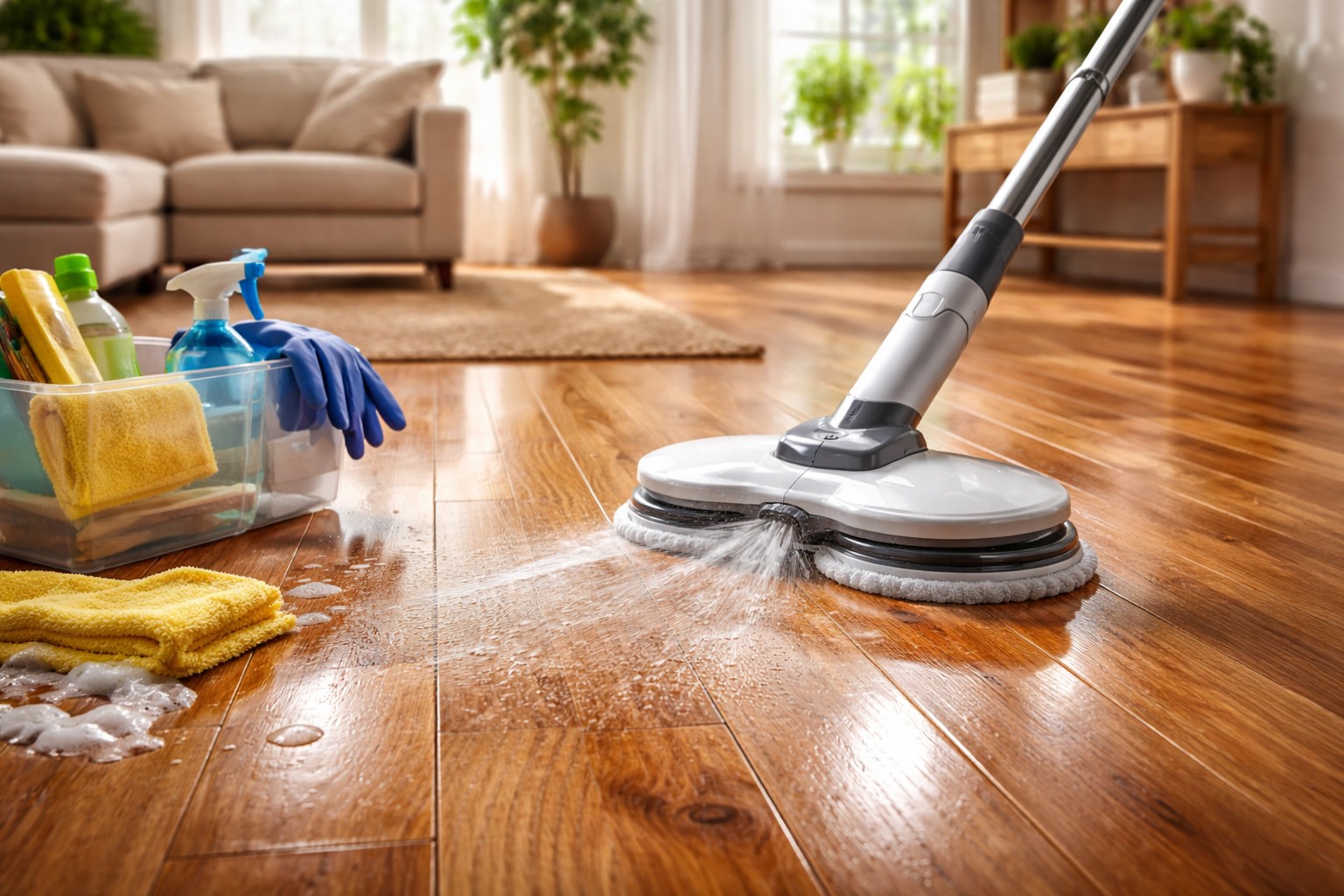
The basic rule for caring for any wooden floor is: minimum water. Wood is hygroscopic, that is, the ability to absorb moisture, which leads to deformation of the dies. When washing, the rag should be well pressedso that it doesn’t drip. The ideal tool would be a mop with a nozzle made of microfiberwhich effectively collects dust and does not leave puddles. If you accidentally spill water, you must wipe it up immediately.
Selecting a detergent
Avoid using aggressive household chemicals containing chlorine or abrasive particles. Best suited for wood specialized concentrates with neutral pH. They not only clean the surface, but also create a thin protective film.
-
Use formulations with added wax for shine.
-
Avoid universal products for all types of floors.
-
Always read package instructions before use.
Movement technique
To avoid stains, you should wash the floor along the grain wood This allows you to clean dirt from microcracks and joints without driving it deeper. Cross movements may leave noticeable marks after drying. Before wet cleaning, be sure to dry clean with a vacuum cleaner with a soft brush to remove sand and small stones that could scratch the varnish or oil coating.
Protection against mechanical damage
Scratches are a gateway for moisture and dirt. To extend the life of the floor, stick to furniture legs felt pads. When rearranging interior items, do not drag them, but lift them. In high traffic areas, such as a hallway, it makes sense to lay down a rug that will trap street dirt and moisture.
Regular but gentle cleaning will preserve the natural beauty of the wood and avoid costly restoration of the coating.
About the Author