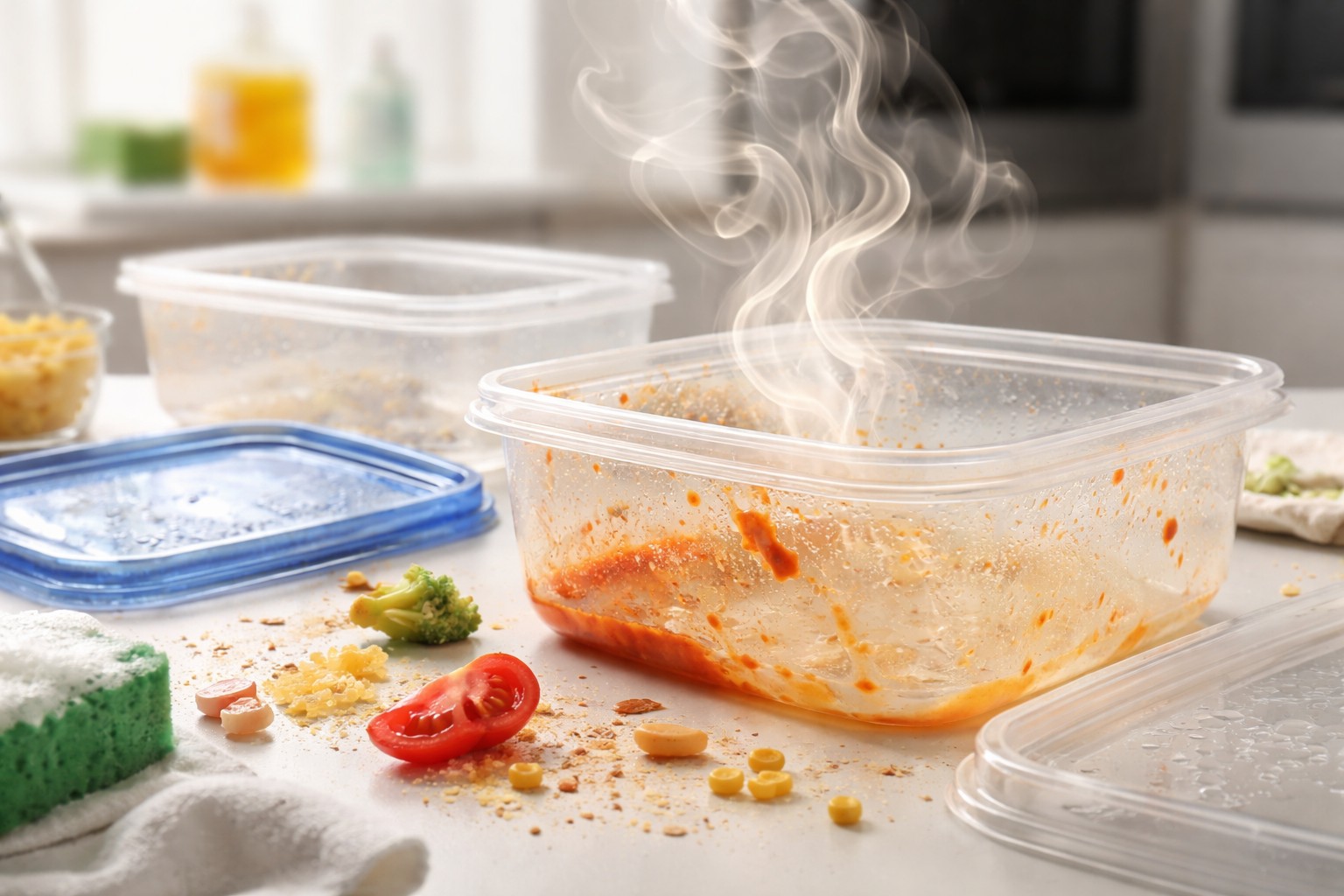
Many have encountered a situation where a visually clean lunch box retains the persistent aroma of yesterday’s lunch. Even using a dishwasher and aggressive detergents often does not solve the problem. The reason lies not in the poor quality of washing, but in chemical properties the material itself.
Polypropylene and other types of food plastic have porous structure. Although the surface appears perfectly smooth to the eye, under a microscope it resembles a sponge. These microscopic pores are easily penetrated fats and oils from food. Since fragrance molecules are often fat-soluble, they literally “eat” into the walls of the container and remain there even after the surface layer of dirt is washed off.
The situation is getting worse mechanical damage. The use of hard sponges and abrasive cleaning powders creates a network of micro-scratches on the plastic. These depressions become an ideal refuge for the remains of organic matter and bacteriawhich can cause an unpleasant smell of rot. The older the container, the more difficult it is to wash it to perfect condition due to surface wear.
Another critical factor is heating. When you heat food in the microwave directly in the container, the temperature causes the pores of the plastic to expand. This allows food particles to penetrate even deeper into the structure of the material. After cooling, the pores narrow, “locking” the smell inside, from where it is almost impossible to wash it out with ordinary water.
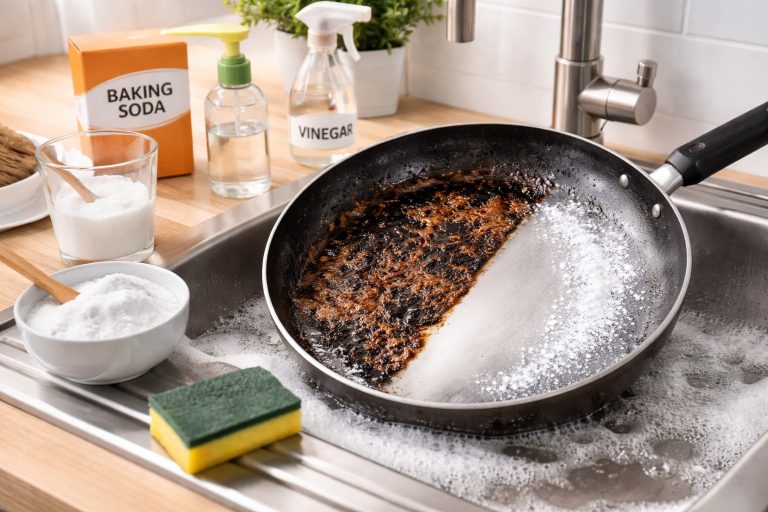
To get rid of ingrained odor, you can use natural absorbents. Soak the container in a solution of baking soda or wipe it with table vinegar – these substances neutralize the acidic environment and break down fatty deposits. Storing empty containers with a pinch of salt inside or in open sunlight, whose ultraviolet light kills bacteria, also helps.
However, any plastic product has its own service life. If the container is cloudy, covered in stains that cannot be washed off, or has a rough surface inside, this is a signal that the integrity of the protective layer has been compromised. In this case, no folk remedies will help restore freshness, and the safest thing to do is simply replace the dishes with new ones.
About the Author