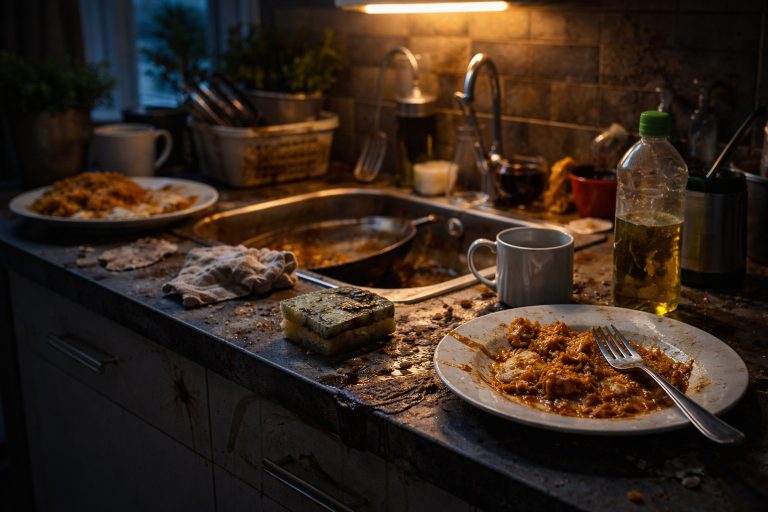
Many of us are guilty of putting a plate of half-eaten dinner or sliced cheese in the refrigerator without covering it with film or a lid. It seems that nothing bad will happen in a couple of hours or one night. However open storage triggers chemical and biological processes that not only spoil the taste, but can also make food unsafe.
Loss of moisture and change in texture
The refrigerator is a very dry environment. The cooling system continually removes moisture from the air to prevent ice from freezing. If the product is not protected by airtight packaging, it begins to rapidly lose water.
-
Vegetables and fruits wither, losing their crunch and vitamins.
-
The cheese becomes covered with a hard, inedible crust.
-
Meat and fish weather, changing their natural color to gray or dark brown.
This process is irreversible: it is no longer possible to restore the juiciness of a dried piece of lemon or bread.
Oxidation of fats and destruction of nutrients
Oxygen is the main enemy of freshness. Upon direct contact with air, a process occurs oxidation. This is especially critical for foods containing fats, such as butter, avocado, nuts or fatty fish.
When exposed to oxygen, fats go rancid, giving food an unpleasant taste of old oil. In addition, exposure to open air destroys sensitive compounds such as vitamin C and antioxidants. As a result, a healthy salad after a few hours turns into just a bunch of fiber without nutritional value.
Instant absorption of foreign odors
Fats and liquids are excellent absorbents. If you leave an open pack of cottage cheese or butter next to half an onion, smoked sausage or fish, dairy products will instantly absorb foreign aroma.
It works both ways. Strong-smelling foods without a lid “aromatize” the entire refrigerator compartment. Subsequently, even neutral dishes, such as desserts or boiled rice, will acquire a strange and unpleasant aftertaste. Usage sealed containers creates a barrier that preserves the true taste of each dish.
Risk of cross contamination
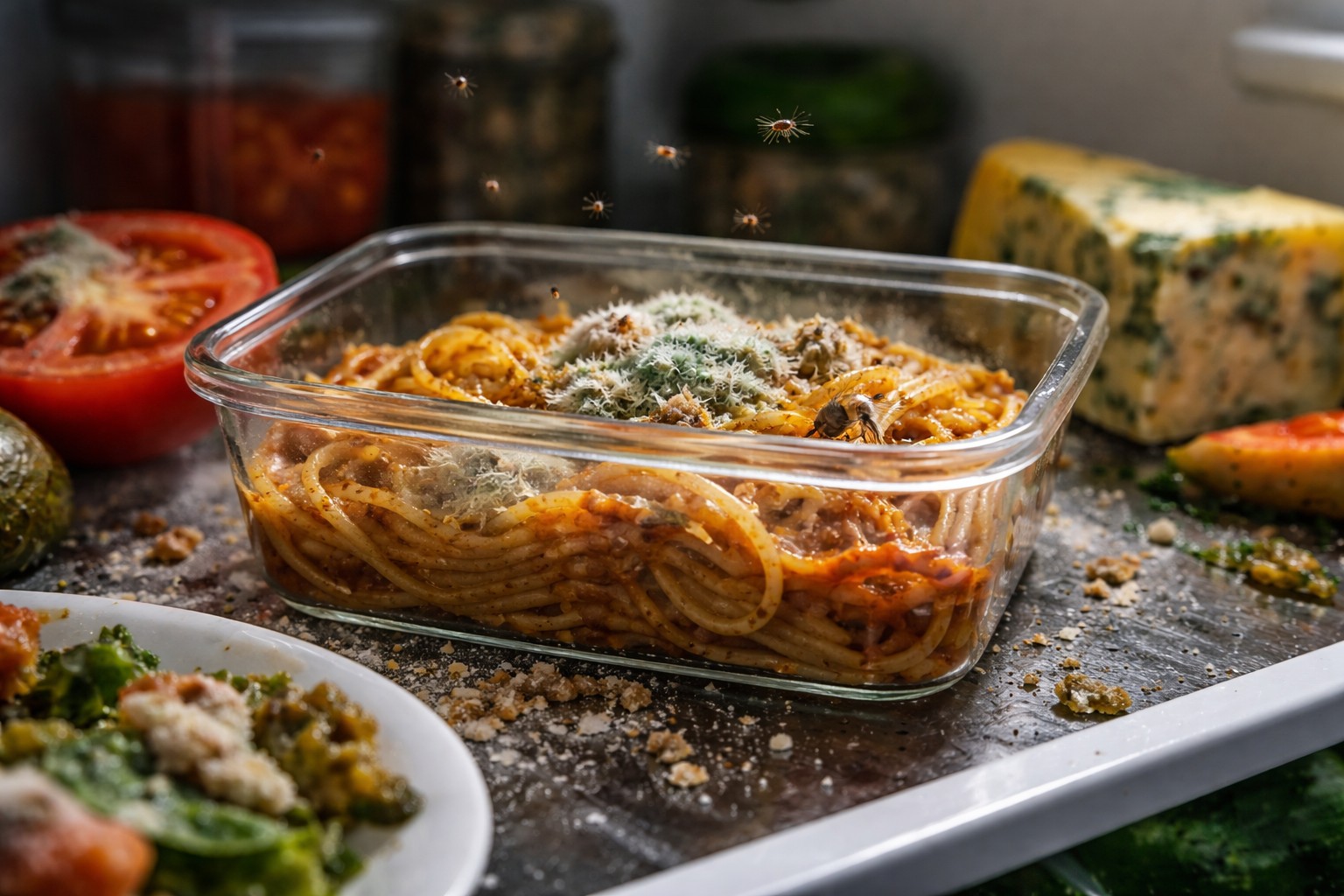
The biggest reason to seal food is bacterial safety. In a refrigerator, even the cleanest, microorganisms circulate. Mold spores or bacteria from raw foods (meat, unwashed vegetables, eggs) can travel with air currents.
If prepared food is left open, it becomes an ideal target for pathogenic flora. It is especially dangerous if drops of juice from raw meat or fish stored on the shelf above accidentally fall into an open salad or yogurt. This phenomenon is called cross-contamination and is a common cause of food poisoning in the home.
Acceleration of corruption
Ethylene is a gas that some fruits and vegetables (apples, bananas, tomatoes) emit when ripening. It acts as a growth hormone for plants, causing nearby fruits to ripen and rot faster.
If food is stored open and mixed, the concentration of ethylene affects the entire surrounding area. Greens will turn yellow faster, and soft vegetables will begin to spoil prematurely. Isolating products from each other using bags or lids slows down this process, significantly extending the life of stocks.
Keeping your packaging sealed is an easy way to save money by throwing away less spoiled food and protect your body from unnecessary bacteria. Just one movement of the lid or film ensures that the food remains exactly as you bought or prepared it. Proper storage is a basic principle of kitchen hygiene and sensible consumption.
About the Author