Many apartment owners overpay for utilities every month without even realizing it. Often the reason lies not in tariffs, but in unobvious habits and the operation of household appliances. Simple changes in everyday life will help significantly reduce costs without sacrificing comfort.
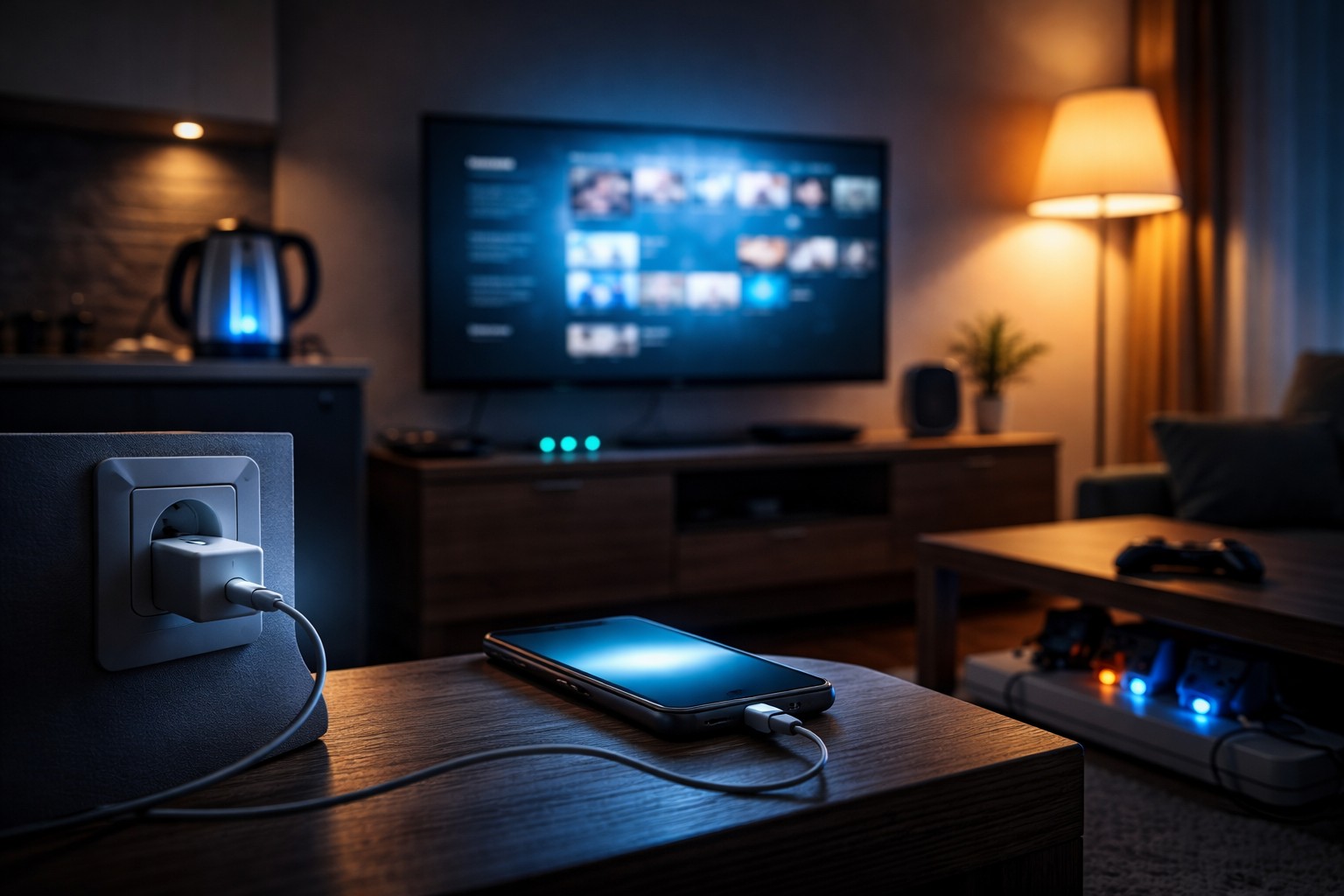
The first step is to pay attention to the devices located in standby mode. TVs, microwave ovens, computers and chargers left plugged in continue to use electricity even when turned off. This phenomenon is called “vampire consumption”. In total, over the course of a year, such equipment can add up to 10% of the total electricity bill. Disconnecting devices from the network or using extension cords with an off button completely solves this problem.
Large household appliances require special care to operate effectively. Fridge consumes more energy if its back is covered with dust or if it is placed close to a wall, preventing air circulation. It is also important to monitor the condition of the sealing rubber: if it does not fit tightly, the cold escapes and the compressor wears out. Regular defrosting of the freezer is also critical, as the layer of ice acts as a heat insulator, causing the motor to work harder.
The washing machine spends the lion’s share of energy on heating water. For everyday washing of clothes that are not heavily soiled, a temperature of 30–40 degrees is sufficient. Modern powders do an excellent job of removing stains even in cool water. Also, try to always use full load drum, since washing one T-shirt requires almost as many resources as a full set of laundry.
In the kitchen, the main enemy of saving is often electric kettle. If it has formed scalethe heating element takes more time and energy to boil the water. Make it a rule to boil only as much water as you need at the moment, and not the full volume. When using an electric stove, keep in mind residual heat: The burner can be turned off a couple of minutes before the dish is ready, it will reach the required temperature due to the accumulated temperature.
Lighting plays an important role. Replacing incandescent lamps with LED is a basic step that pays off very quickly. However, not everyone remembers that dirty lampshades and dusty light bulbs “eat up” up to 20% of the light, forcing them to turn on additional lighting sources. The cleanliness of lighting fixtures directly affects the brightness in the room and allows you to use chandeliers at full power less often.
Implementing these habits does not require serious effort, but gives tangible results already in the first receipt. Reasonable consumption of resources begins with attention to detail and timely maintenance of equipment. Savings come from daily, almost imperceptible actions.
About the Author