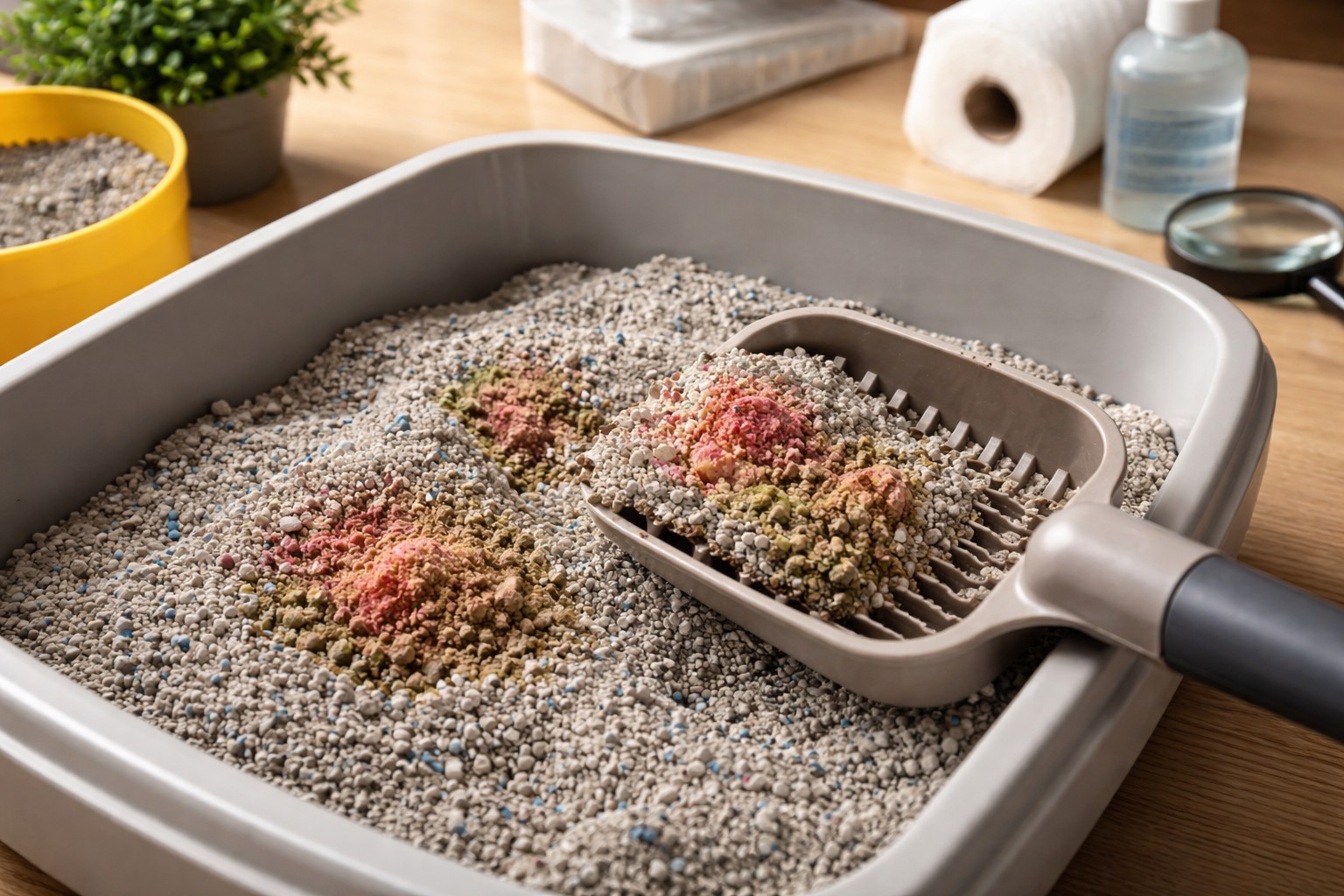
Every cat owner has at least once encountered a situation where, even after thorough washing, rough spots remain on the bottom of the litter box. This plaque can be white, yellowish or gray, and it is almost impossible to clean it off with a regular sponge. Such deposits should not be ignored, as they may be the first signal about the condition of the animal’s body or a sign of improper toilet hygiene.
Chemical nature of sediments
The main reason for the appearance of plaque is urinary stone. Cat urine has a high concentration of various salts and minerals. When moisture evaporates or is not completely absorbed into the filler, these substances settle on the plastic. Over time, they react with the tray material, literally eating into micro-scratches on the surface.
Most often, solid sediment consists of:
If you notice that plaque forms too quickly (literally within a couple of days after general cleaning), this is a reason to think about it.
Relationship to diet and health
The intensity of plaque formation directly depends on Urine pH pet. Normally, the environment should be slightly acidic. If the balance shifts to the alkaline side, struvite crystals begin to fall out – they are the ones who most often form a white or grayish coating.
The appearance of heavy sediment may indicate:
-
Insufficient water intake (urine becomes too concentrated).
-
Development urolithiasis (ICD) at an early stage.
-
Excess minerals in the feed that the body does not have time to process.
Influence of tray and filler quality
Sometimes the problem lies not in the cat, but in the accessories. Cheap plastic has a porous structure that instantly absorbs odors and retains salt deposits. As soon as the protective smooth layer is erased from claws or hard brushes, the process of stone formation accelerates significantly.
Some types of fillers may also leave marks. For example, when cheap clay chips get wet, they sometimes form a cement-like crust, which is difficult to distinguish from urinary stone.
Effective cleaning methods
Trying to scrape off plaque with a knife or metal sponge is a bad idea. This will create new scratches in which bacteria and salts will accumulate even faster. Aggressive bleach will also not help dissolve minerals, but will only increase the unpleasant odor due to reaction with ammonia residues.
Acids that work best to remove mineral deposits include:
-
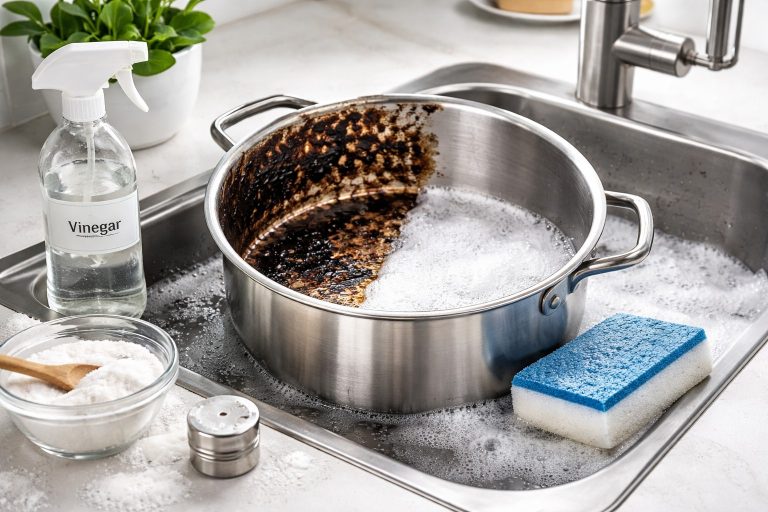
Citric acid: Fill problem areas with powder, add hot water and leave for 30–60 minutes.
-
Table vinegar: Mix with water in a 1:1 ratio and soak the tray.
The acidic environment reacts with alkaline deposits, softening them, after which the deposit is easily removed with a regular sponge.
Regular inspection of the bottom of the tray when replacing the filler allows you to timely notice changes in the metabolic processes of the animal’s body and maintain hygiene without the use of aggressive chemicals.
About the Author