Buying a new pair is always a joyful event, which can be overshadowed by one unpleasant detail. A sharp factory aroma, the smell of glue, rubber or cheap leatherette can cause headaches and spoil the impression of a new thing. Fortunately, there are proven methods that will help neutralize odorwithout damaging the material of the products.
Use of dry absorbents
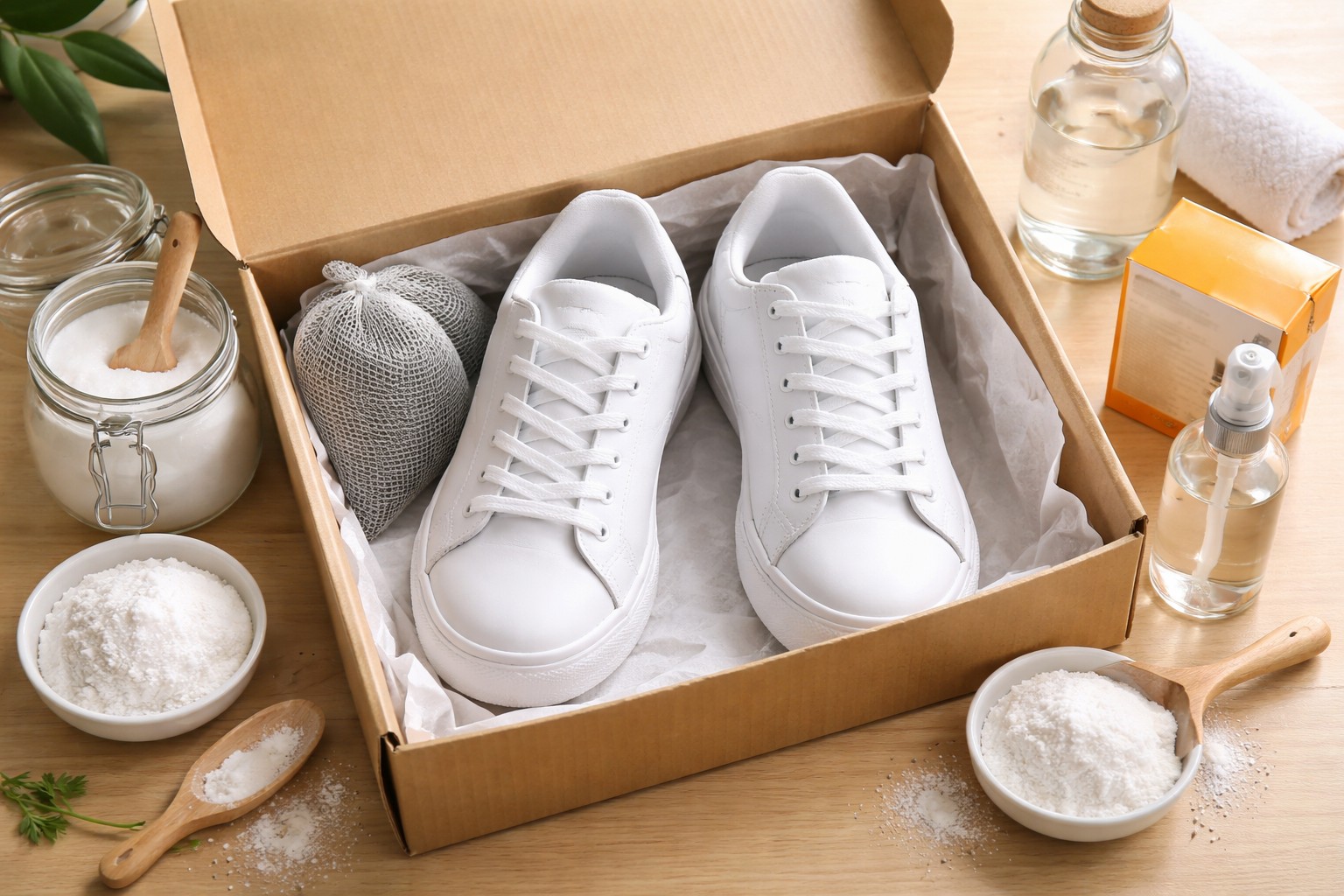
The safest method for any materials, be it suede, nubuck or textiles is the use of substances that absorb moisture and odors. You don’t have to get your shoes wet, eliminating the risk of deformation.
-
Baking soda. This is a universal assistant. Pour baking soda into thick fabric bags or just clean socks, tie them and place them inside your boots overnight. Baking soda is great at removing chemical fumes.
-
Activated carbon. Grind 7-10 charcoal tablets (black is best, but white leaves less residue). Place the powder in a paper towel or breathable bag. Coal is the most powerful natural filter.
-
Tea bags. Unused tea bags (especially green or mint teas) also act as a light absorbent and flavoring agent. Place 3-4 sachets in each shoe and leave for 12 hours.
Treatment with solutions
If dry methods do not help, you can resort to “heavy artillery”. However, before using these products, be sure to test on an inconspicuous area of the material so as not to spoil dye.
-
Hydrogen peroxide. Soak a cotton pad in a 3% peroxide solution and thoroughly wipe the inside of the shoe. This method works well against fungal spores and bacteria, but is also effective at removing rubber odor.
-
Table vinegar. Dilute vinegar with water in a ratio of 1:3. Wipe the insoles and inner walls with a dampened cloth. Vinegar has its own pungent odor, but it dissipates much faster than the chemical “aroma” of glue.
-
Potassium permanganate solution. A weak pale pink solution is suitable for treating dark shoes. It oxidizes odorous substances, destroying their structure.
Temperature effect
Sometimes the cause of odor is volatile compounds that can be “frozen.” This method requires caution, as patent leather shoes can crack due to sudden temperature changes.
Place the pair in a thick plastic bag, squeeze out any excess air, and seal tightly. Send the package to freezer for 3-4 hours (in winter you can take it out onto the balcony). Low temperatures kill bacteria and reduce the rate of evaporation of adhesives. After the procedure, let the shoes warm up at room temperature.
Natural flavors
If the pungent odor has been reduced a little, but it is still noticeable, you can use masking with natural products.
-
Citrus peels. The peel of lemon, orange or grapefruit contains essential oils. Place fresh peels inside for a day. They act gently and leave a pleasant trail of freshness.
-
Coffee beans. Natural coffee has a strong aroma that overcomes chemical odors. Use whole grains so they’re easy to clean up later.
It is important to remember that cheap shoes made from low-quality synthetic materials can smell for a very long time due to the toxic composition of rubber or plastic. In such cases, home remedies may only provide a temporary effect, and the procedure will have to be repeated regularly. High-quality genuine leather weathers on its own over time and acquires a neutral aroma.
About the Author