A favorite teddy bear or construction set can become not only a source of joy, but also a hidden threat to the health of the whole family. Regular cleaning Children’s clothes are not just a matter of aesthetics, but an important measure for preventing diseases.
Dust and allergen storage
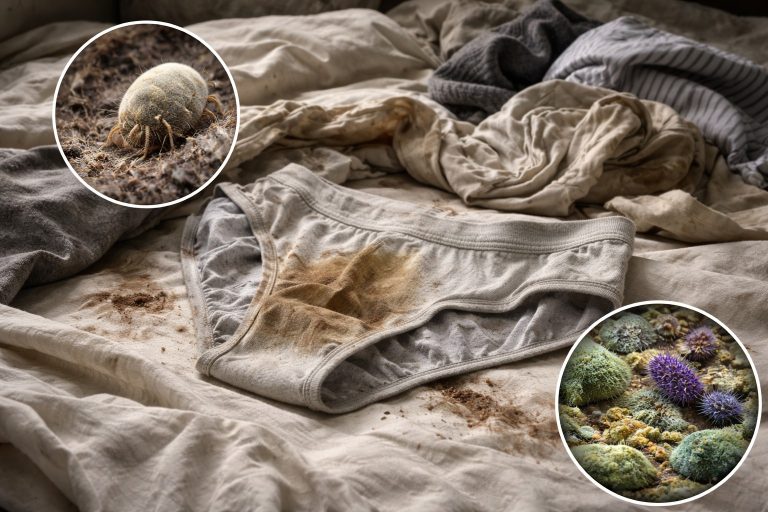
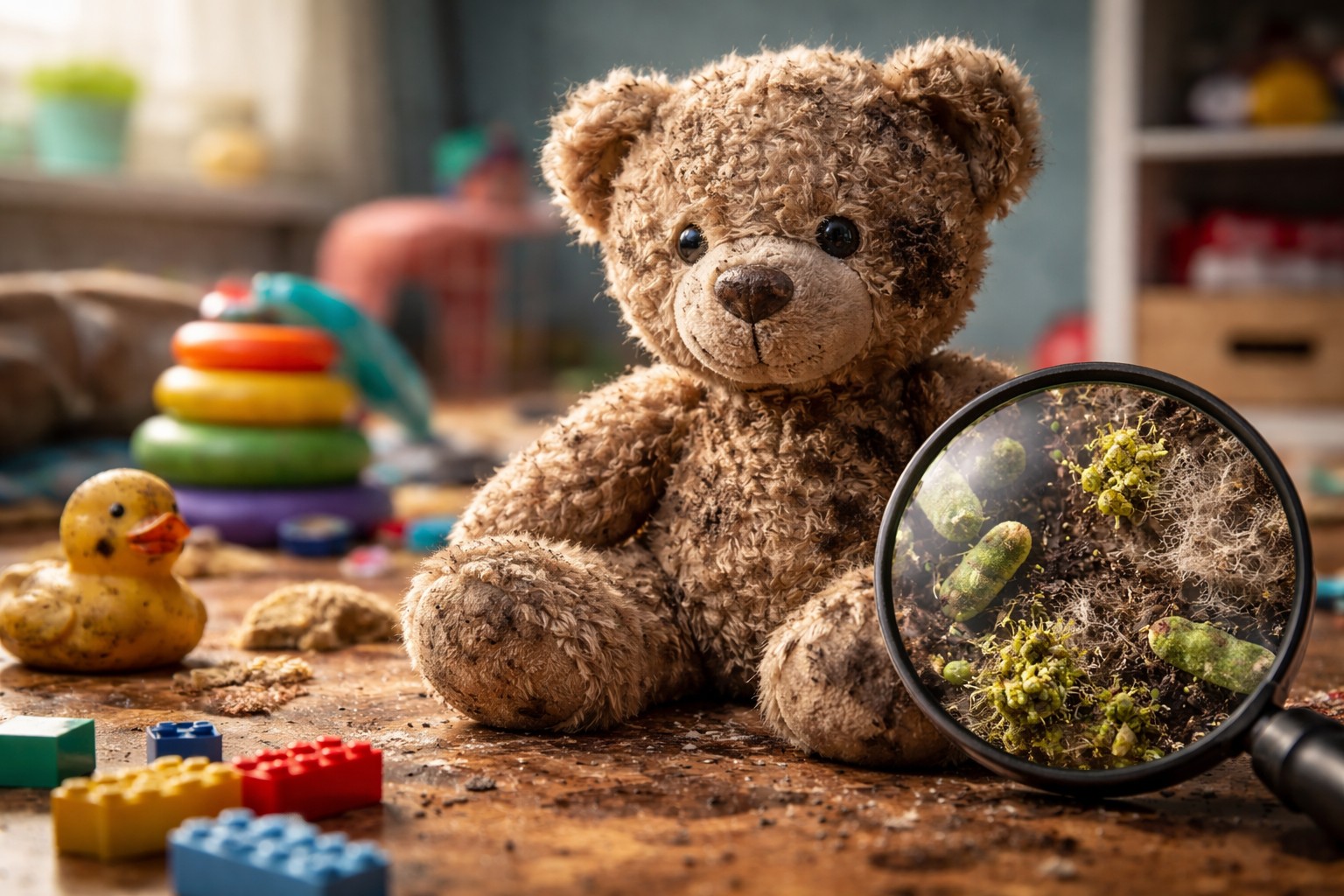
Stuffed toys work like powerful ones dust collectors. House dust settles in their pile, which is an ideal breeding ground. dust mites. The waste products of these microorganisms often cause allergic reactions, cough and even asthma. If a child sleeps with his favorite toy, he inhales these particles throughout the night.
Bacterial environment
Children often get a taste of the world, and toys are no exception. Saliva, food debris and dirt from the floor create a breeding ground on the surface of plastic and fabric for bacteria. Research shows that some toys may harbor more germs than the rim of a toilet bowl. This is especially true for rubber bath toys, where moisture quickly develops inside them. mold.
Viruses after illness
If a child has had a cold or flu, viruses can remain active on hard surfaces for up to several days. Disinfection toys after recovery helps prevent re-infection and protect other family members.
Street dirt
Toys that are taken for a walk bring home not only sand, but also helminth eggs, as well as hazardous substances from the soil and asphalt. Even if the item visually seems clean, it may still have pathogenic microorganisms.
The cleanliness of the play space directly affects well-being and creates a healthy microclimate in the house.
About the Author