Many perceive dampness only as temporary discomfort, however excess moisture is a serious catalyst for destruction. It acts unnoticed, penetrating the structure of materials and creating ideal conditions for the development of a pathogenic environment. If you ignore foggy windows or musty odors, the consequences can be critical to your budget and well-being.
Impact on the respiratory system
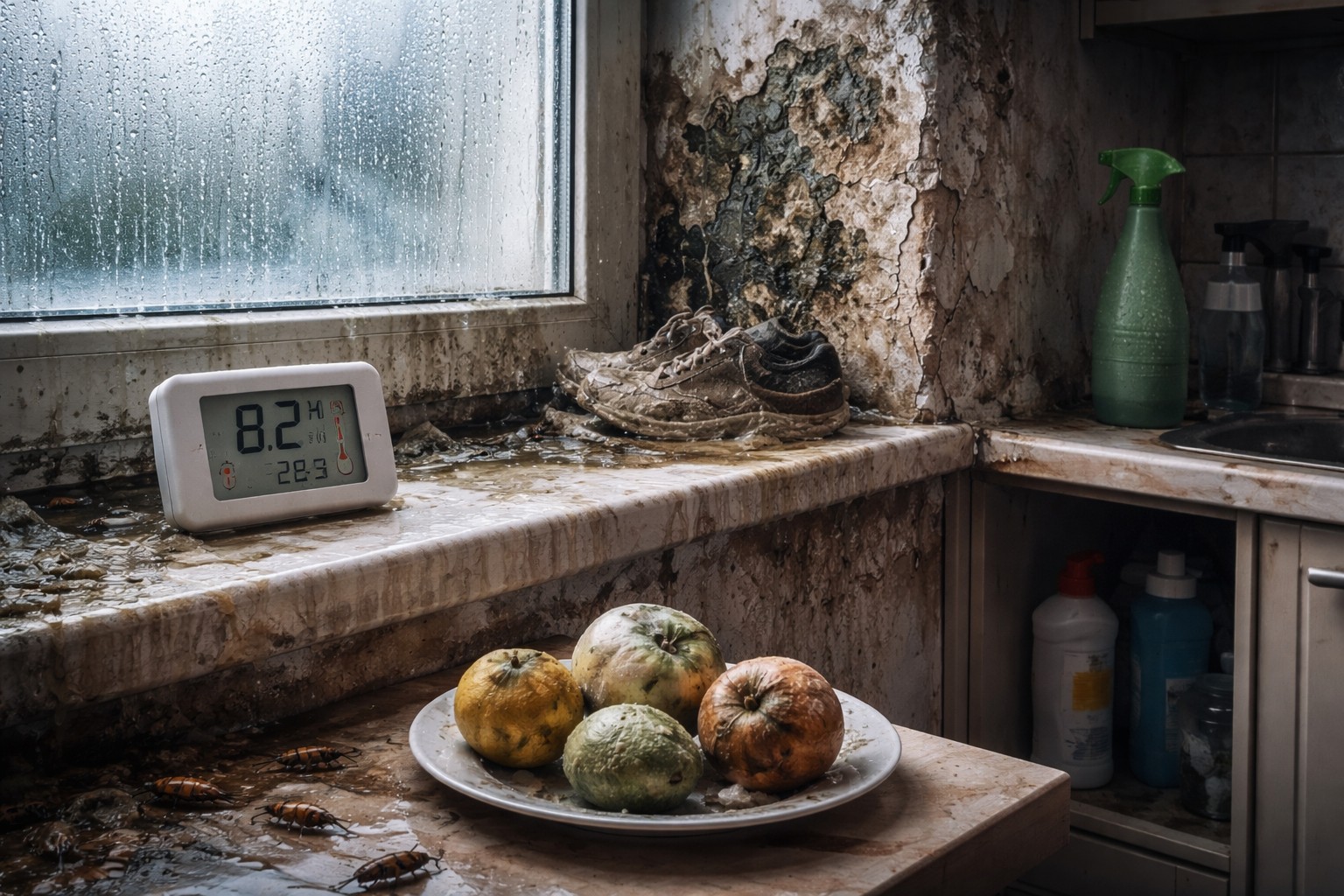
The main problem of damp rooms is mold. It appears long before you notice black spots in the corners or on the wallpaper. In a waterlogged environment, fungal spores multiply instantly, entering the air and settling in the lungs. This often leads to chronic runny nose, asthma and severe allergic reactionsthe reason for which residents cannot find for a long time.
Interior destruction
Water can destroy even durable materials. Wooden furniture begins to rot and deform, wallpaper peels off, and plaster becomes loose. Condensate on the windows it flows onto the windowsill and floor, causing swelling of the laminate or parquet. Restoring such damage usually requires not cosmetic, but major repairs with replacement of coatings.
Insect bait
Damp corners in the bathroom or kitchen serve as a magnet for unpleasant guests. Woodlicesilverfish and millipedes actively reproduce where it is warm and humid. It is useless to fight them with chemicals until the source of the problem—a microclimate favorable to them—is eliminated.
To avoid these problems, it is necessary to monitor the hygrometer readings and ensure quality ventilation in all rooms. Regular ventilation helps maintain a healthy balance and protects your home from premature destruction.
About the Author