
Many of us are accustomed to taking out the trash can only when it is filled to the brim. It seems counterintuitive to throw away a half-empty bag because it seems like a waste of plastic and time. However, hygienists and microbiologists argue that the habit of accumulating waste for several days can cause serious damage to the microclimate of the home and the health of residents. A kitchen bucket is not just a container for waste, but a complex biological environment, the processes in which begin instantly.
Biological timer under the sink
Process organic decomposition begins much earlier than you notice the unpleasant odor. Within a few hours after the leftover food falls into the bucket, the processes of fermentation and rotting are activated. The warm, humid environment of the kitchen, especially under a closed cabinet door, creates an ideal incubator for pathogenic flora.
If you do not clean the container daily, it begins to rapidly multiply:
-
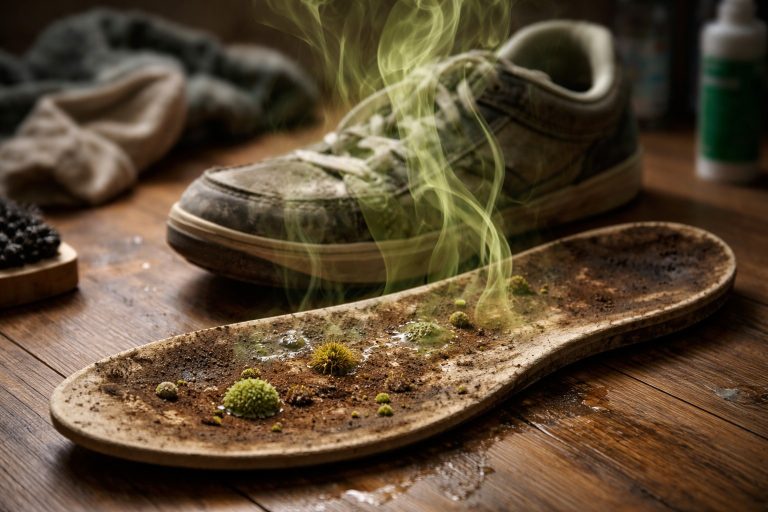
Moldswhose spores quickly spread through the air.
-
Bacteria of the coli group.
-
Salmonella, especially if leftover raw meat or eggshells are in the trash.
Invisible air pollution
Even if it seems to you that the bucket does not smell, this does not mean that the air in the kitchen is clean. Decomposition products are released toxic volatile compoundssuch as methane and hydrogen sulfide, albeit in microdoses. If these substances are inhaled, people with hypersensitivity may experience headaches or allergic reactions.
Of particular danger is secondary pollution. When you open the lid of a bin to throw away another item, a cloud of spores and bacteria rises up, settling on kitchen towels, countertops, and even clean dishes. Daily disposal of the bag breaks this chain, preventing bacterial colonies from reaching a critical mass.
Pest magnet
Insects have a phenomenal sense of smell, which is many times greater than that of humans. Drosophila (fruit midges) are able to detect fruit starting to spoil at a great distance, and the trash can becomes the best place for them to breed.
In addition to midges, stale garbage attracts more serious pests:
-
Red ants.
-
Cockroaches that search for food and water sources at night.
-
Rodents (in private houses or apartments on the first floors).
Getting rid of insects once they have settled in the kitchen is much more difficult than preventing their appearance. Timely removal of garbage deprives pests of food supply.
Psychological aspect of order
There is also a non-obvious side to the issue related to the organization of space and discipline. An overfilled bucket often causes stress and procrastination. The sight and awareness that there is a source of dirt in the kitchen subconsciously causes discomfort. The habit of emptying the house of unnecessary things every evening helps to structure everyday life and creates a feeling of completion of the day. This simple act acts as a ritual to cleanse the space, preparing the apartment for the new day.
Regular disposal of waste is a basic sanitation practice that requires minimal effort but brings tangible benefits to the atmosphere in your home. A clean bucket and fresh air in the kitchen are the foundation of a healthy home environment.
About the Author