Many have noticed this paradox: an exquisite perfume disappears by lunchtime, but the aroma of fried fish or burnt toast can “live” in a room for several days. This seems unfair, but this phenomenon has a strict scientific explanation related to chemistry and physics. It’s all about molecular structure and their ability to interact with surrounding surfaces.
The main factor in the durability of any fragrance is volatility of substances. Pleasant perfume compositions, especially citrus or floral notes, are composed of light molecules with high volatility. They quickly turn into a gaseous state, fill the air, but just as quickly dissipate at the slightest draft. On the contrary, smells of burning, grease or dampness are formed heavy moleculeswhich slowly evaporate and literally settle down under their own weight.
The second reason lies in the ability of materials to absorb – adsorption. Our house is filled with objects that act like giant odor sponges:
-
Textile upholstery;
-
Carpets and curtains;
-
Wallpaper with embossed texture;
-
Unvarnished wood.
These porous materials have a huge internal surface area. Heavy molecules of unpleasant odors penetrate deep into the structure of the fibers and get stuck there. It is impossible to remove them by simple airing, since the source of the smell is now not in the air, but inside your sofa.
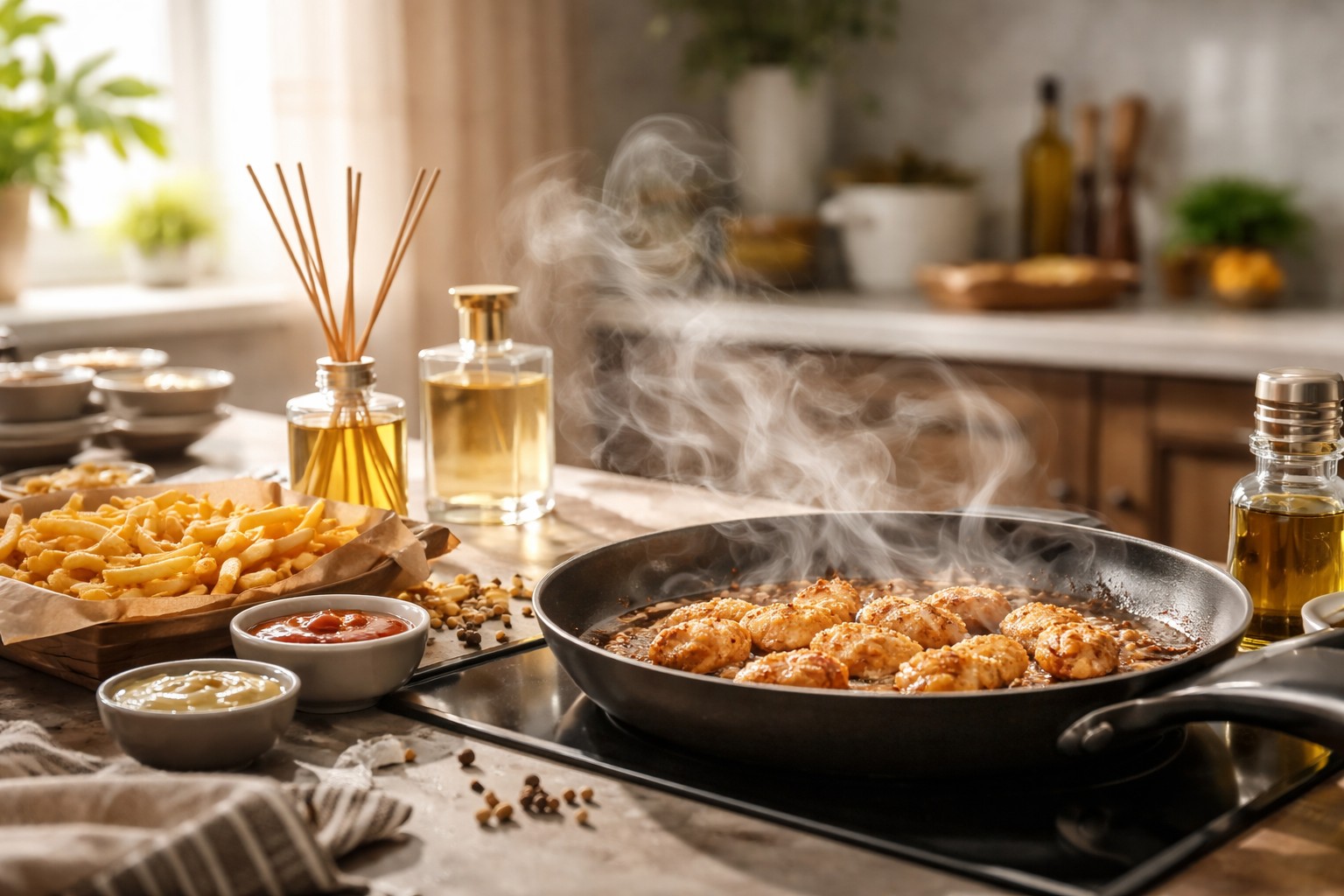
Plays a special role fat base. Most kitchen odors are carried by microscopic particles of fat that become airborne during cooking. This fat, saturated with food aromas, settles on walls, ceilings and kitchen textiles, forming a sticky film. Such a film not only emits odor itself, but also traps dust, preserving the aroma for weeks. Until you physically wash off this layer, the smell will return.
Also affects durability air humidity. In a humid environment, our sense of smell works more acutely, and molecules of odorous substances bind to water molecules, staying in space longer. This is why the smell of dampness or mold seems so intrusive and difficult to eliminate – it is maintained by the microclimate of the room itself.
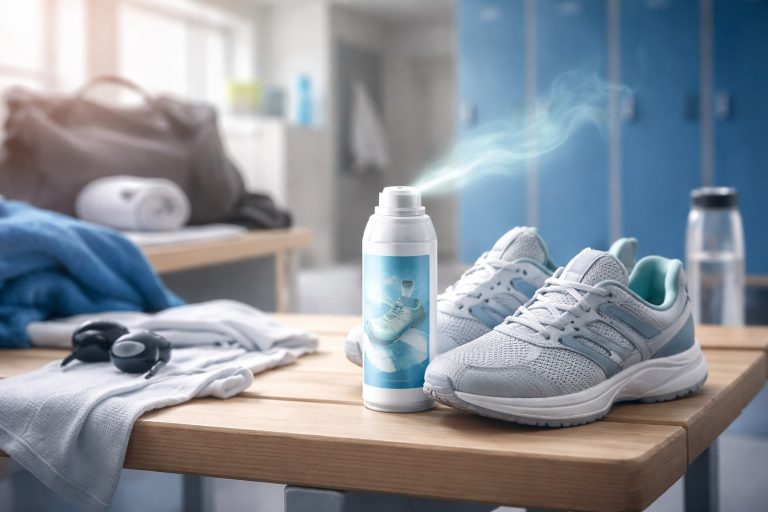
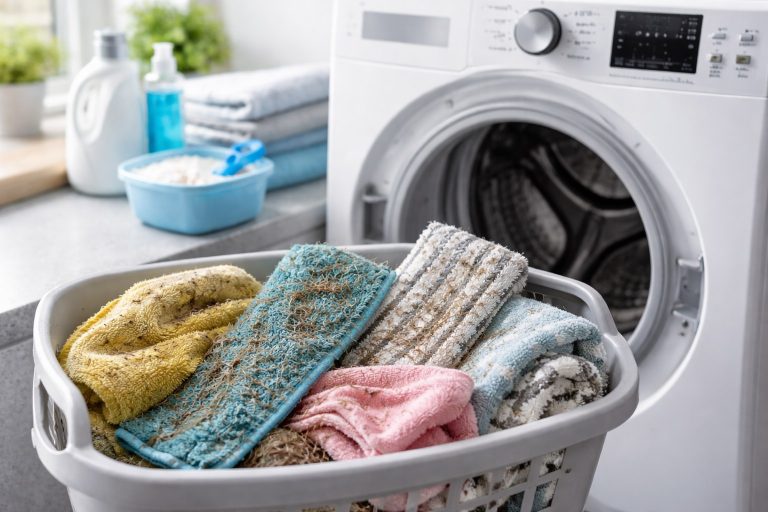
Effective control of such odors requires not masking, but removal of the source. Air fresheners only temporarily interrupt the aroma, adding new portions of volatile substances to the air. To completely get rid of ingrained odor, it is necessary to wash textiles and wet clean surfaces to mechanically remove settled heavy molecules.
About the Author