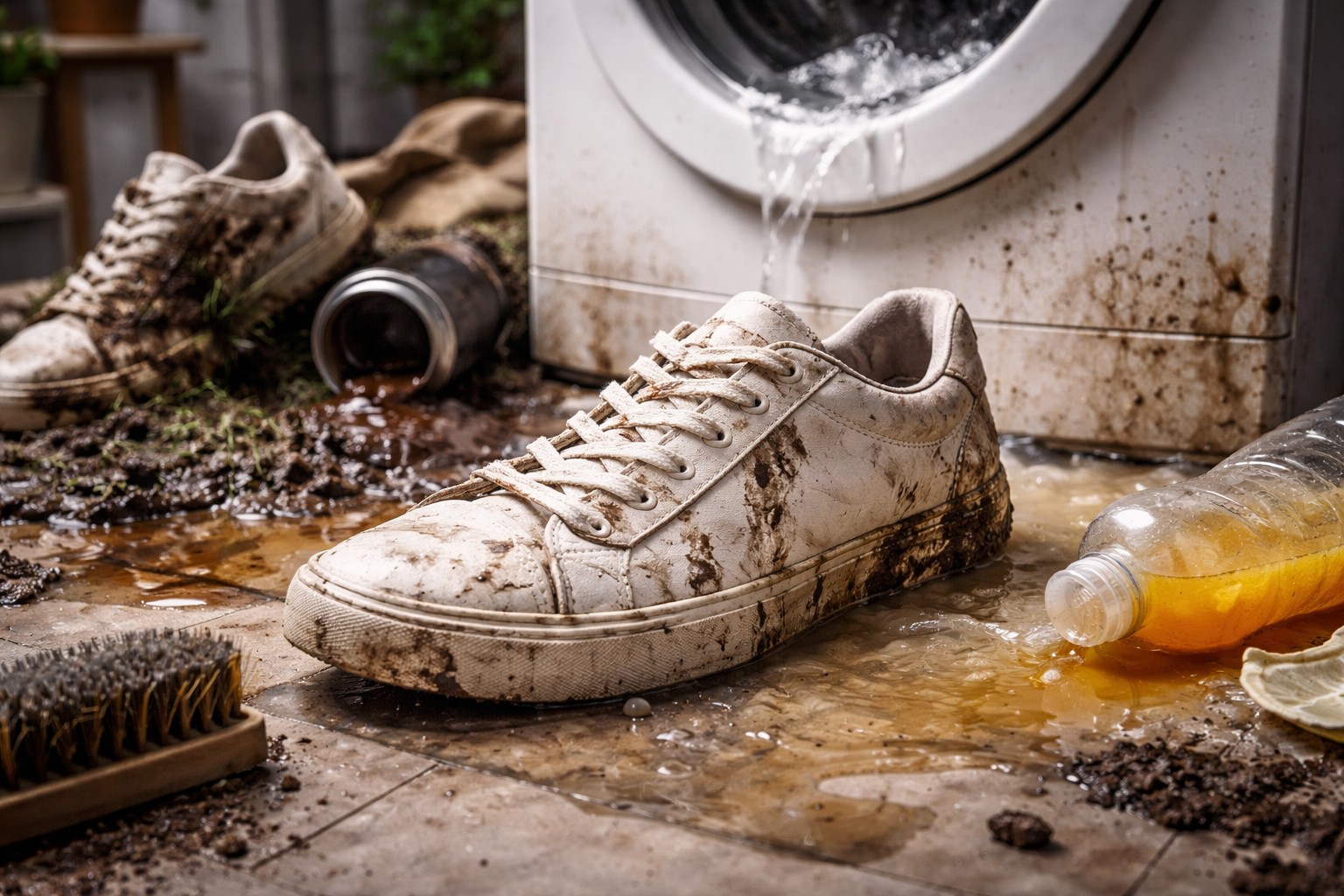
Your favorite pair may become unusable much earlier than expected, and this is not always due to the quality of materials. Most often the reason lies in daily habits and lack of understanding of how aggressive external environments affect leather, suede or textiles. Even the most expensive shoes require compliance with certain technical operating conditions.
One of the main problems is excess moisture. When you wear the same pair for several days in a row, the material does not have time to dry completely. The condensate accumulated inside gradually destroys internal seams and adhesive joints, and also becomes a breeding ground for microorganisms. The skin loses its elasticity, begins to deform and cracks over time.
Drying near heating devices is another critical factor. Sharp temperature exposure draws out natural fats from natural materials. As a result, the surface becomes hard, brittle and loses its original shine. It is almost impossible to correct such destruction of the structure even with professional means.
Other factors also have a negative impact:
-
Usage unsuitable brushesthat scratch the finish.
-
Accumulation road reagentscorroding the fibers of the material.
-
Absence mold holders during long-term storage, which leads to creases.
-
Incorrect technique for putting on shoes without using a special horn.
It’s important to remember that chemical composition Cheap silicone-based creams create an airtight film on the surface. This makes the shoes unable to “breathe,” which creates a greenhouse effect inside. Natural ingredients and the correct rest schedule for each pair can significantly extend the service life of any product.
Regular preventative maintenance and attention to detail help keep your boots looking presentable for several seasons.
About the Author