The constant search for the right things turns everyday life into an endless marathon of obstacles. Morning preparations are delayed due to missing headphones, and important documents are found in the most unexpected places. Helps solve this problem one seat rulewhich is based on the simple psychology of habit formation and the laws of ergonomics.
The essence of the method is that each category of objects is assigned a strictly defined “point on the map” of the house. It’s not just cleaning, it’s creating navigation systemswhich operates on autopilot. When a thing has its own “address,” the brain stops wasting resources on remembering the trajectory of its movement.
The advantages of this approach are obvious:
-
The level is decreasing cognitive loadas the need to make micro-decisions throughout the day disappears.
-
Saves time on getting ready, which is especially critical in the morning.
-
The space appears more organized without visual noise.
-
The overall disciplinewhich is gradually transferred to other areas of life.
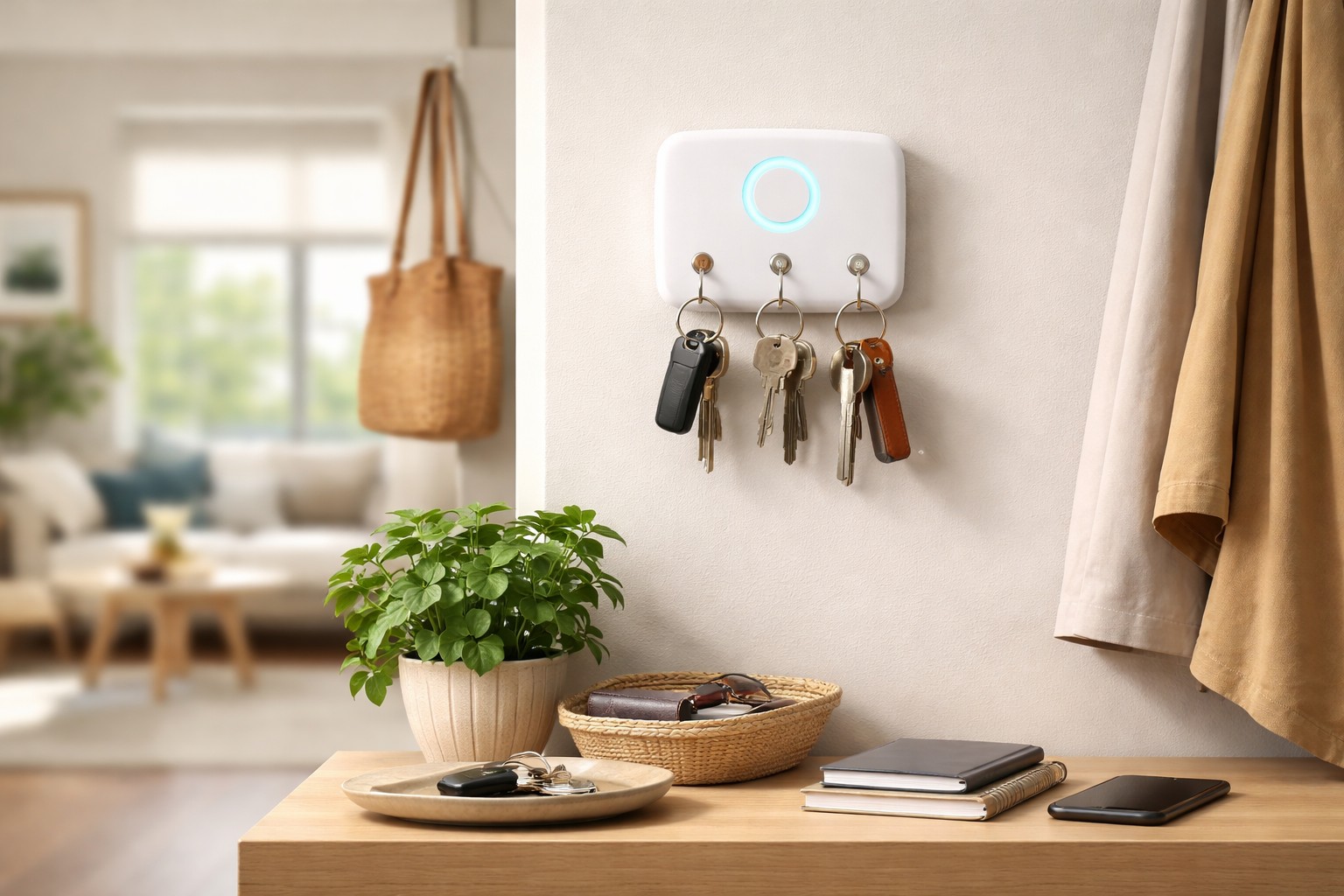
For the system to work, it is important to choose logical locations. Keys should be on the console at the entrance, chargers should be in a specific drawer, and receipts should be in a special folder. If an item is used in different rooms, one basic return point is still selected for it.
The main difficulty in implementing the rule lies not in the organization of space, but in automaticity of actions. The first few days you will have to consciously return the item to its place immediately after use. However, after a week, your hands will naturally reach for the desired shelf, freeing up your thoughts for more important tasks.
The gradual introduction of this principle eliminates everyday chaos and creates a sense of control over the environment. When every little thing is in its place, the house turns from a source of stress into a space for complete relaxation. This simple rule helps to bring order not only to your closets, but also to your thoughts.
About the Author