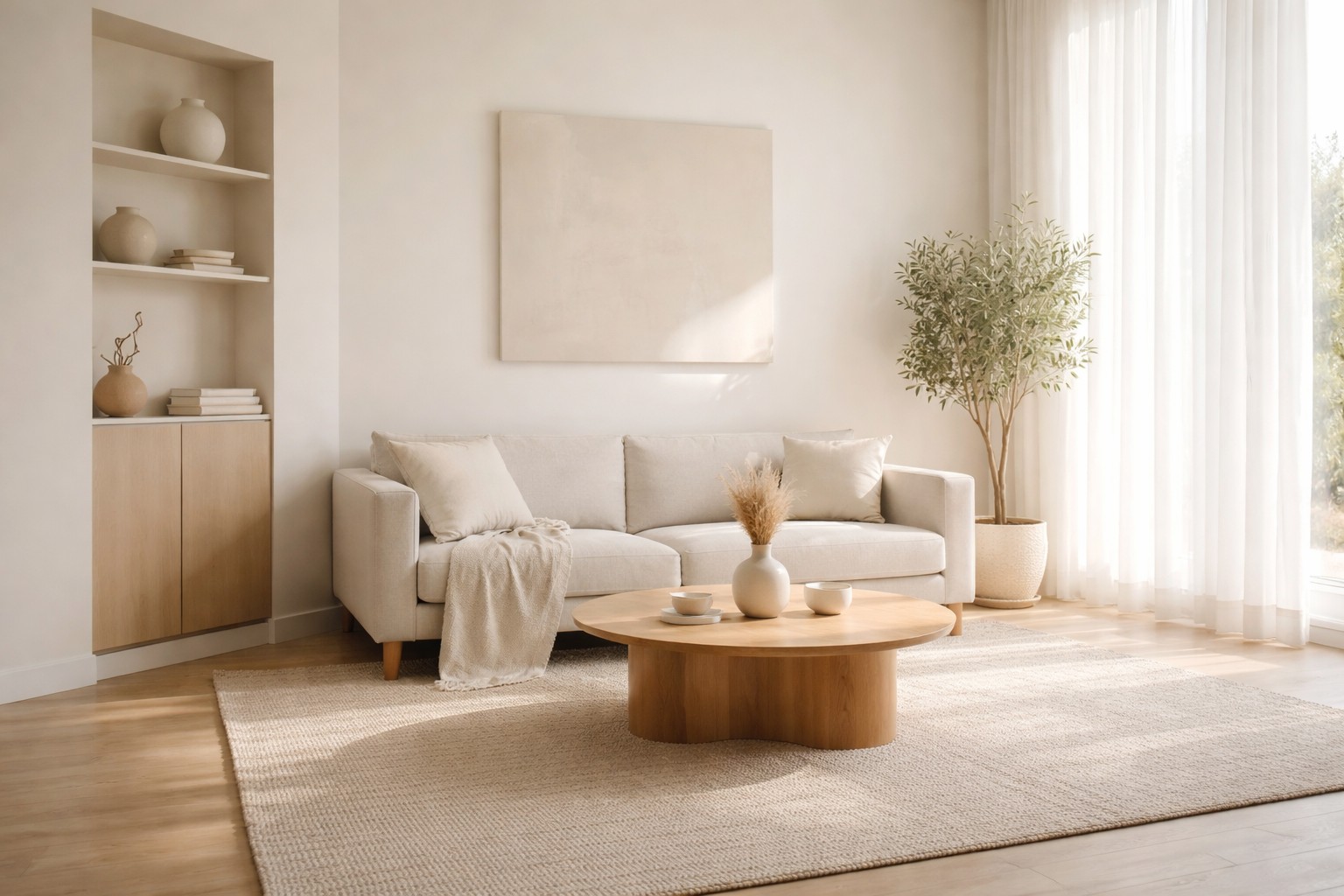
The modern house has ceased to be just a fortress, turning into an endless source of visual noise. We are used to filling every shelf with souvenirs, candles and figurines, without noticing how decorative excesses begin to consume our free time and psychological resources. Minimizing decor is not about empty walls, but about creating a space in which it is easy to breathe and restore.
Aesthetics of pure reason
When the gaze does not stumble over dozens of small objects, the brain goes into mode deep relaxation. Psychologists say that an excess of visual stimuli keeps the nervous system in constant tension. Eliminating unnecessary decor helps:
-
Reduce your daily stress levels.
-
Increase concentration on important tasks.
-
Create an atmosphere of conscious consumption.
-
Highlight truly valuable pieces of art.
Saving time and resources
Every trinket on the shelf is dust battery. Refusal of unnecessary decor radically reduces cleaning time. Instead of rearranging dozens of bottles and frames, you spend just minutes maintaining cleanliness. Freed up time becomes the most valuable resource that can be used for recreation or hobbies.
Ecology of personal space
In an era of overproduction conscious minimalism becomes an environmental manifesto. Choosing quality over quantity, we invest in items with history and durable materials. An interior freed from random garbage looks more expensive and status-rich, as the emphasis shifts to the architecture of the room, light and textures.
Minimalism in design allows the home to adapt to your mood without requiring capital investment in updating the furnishings. Clean surfaces and the absence of clutter give a feeling of freedom and control over your own life. Surrounding yourself with only functional and truly loved things turns your home into an ideal place to restore inner harmony.
About the Author