
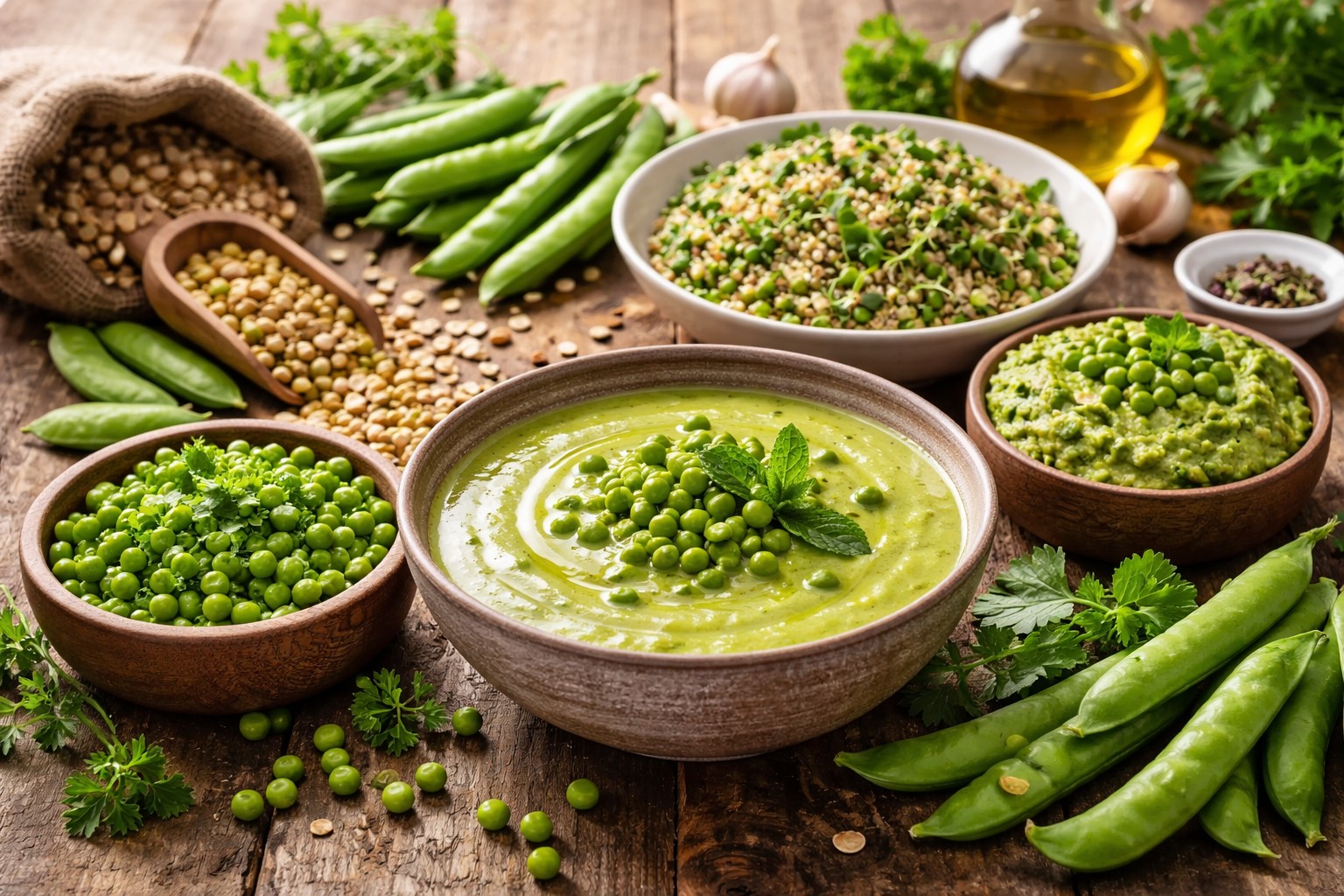
Peas are often thought of as a simple soup addition or childhood side dish, but their availability masks an impressive nutraceutical profile. This member of the legume family is one of the most effective sources vegetable proteinwhich is easily absorbed by the body and contains important amino acids to restore muscle tissue.
Energy and feeling of fullness
The main value of peas lies in the combination complex carbohydrates And dietary fiber. Unlike foods with a high glycemic index, peas release energy gradually, preventing sudden spikes in blood sugar.
-
Fiber Helps cleanse the body and maintain healthy intestinal microflora.
-
High content B vitamins helps normalize the functioning of the nervous system and improves concentration.
-
The natural sugars in fresh peas provide the brain with quick fuel without harming your figure.
Heart and Vascular Support
Regular consumption of legumes has a positive effect on the cardiovascular system. Peas contain a significant amount potassium And magnesiumwhich are necessary to maintain the tone of the vascular walls and a stable heart rate.
-
Niacin Helps regulate blood cholesterol levels.
-
Antioxidantssuch as flavonoids and carotenoids, protect cells from oxidative stress.
-
Iron As part of the product, it participates in hematopoietic processes and prevents the development of anemia.
Mineral composition for longevity
Peas are rich in rare microelements that are rarely found in such concentrations in other products. For example, selenium acts as a protective barrier for cells, and phosphorus strengthens bone tissue and tooth enamel.
Thanks to the content pyridoxinepeas promote the breakdown and synthesis of essential amino acids, which makes it an essential component of the diet for those who are vegetarians or actively involved in sports. Availability vitamin K additionally helps the proper absorption of calcium, ensuring skeletal strength.
Including peas in your weekly menu helps balance your diet and provide the body with the necessary resources for active life.
About the Author