Scale is not just an aesthetic problem, but a real enemy of household appliances. A solid deposit consisting of calcium and magnesium salts slows down the boiling process, spoils the taste of your favorite drinks and eventually leads to burnout of the heating element. To extend the life of the device and drink clean water, it is not necessary to buy expensive chemical compounds. There are proven methods that will help restore the mirror shine to a disk heater or coil in a matter of minutes.
Why is it important to get rid of plaque?
A thick layer of sediment acts as a heat insulator. This causes the kettle to work at its limit, consuming more electricity. In addition, particles of limescale during boiling fall into the cup, making the tea or coffee cloudy. Regular maintenance helps avoid breakdowns and preserve the natural properties of water.
Citric acid for perfect cleanliness
This method is considered the most universal and safe for most models, including plastic and metal devices. Citric acid effectively breaks down salt deposits without leaving behind a pungent odor.
-
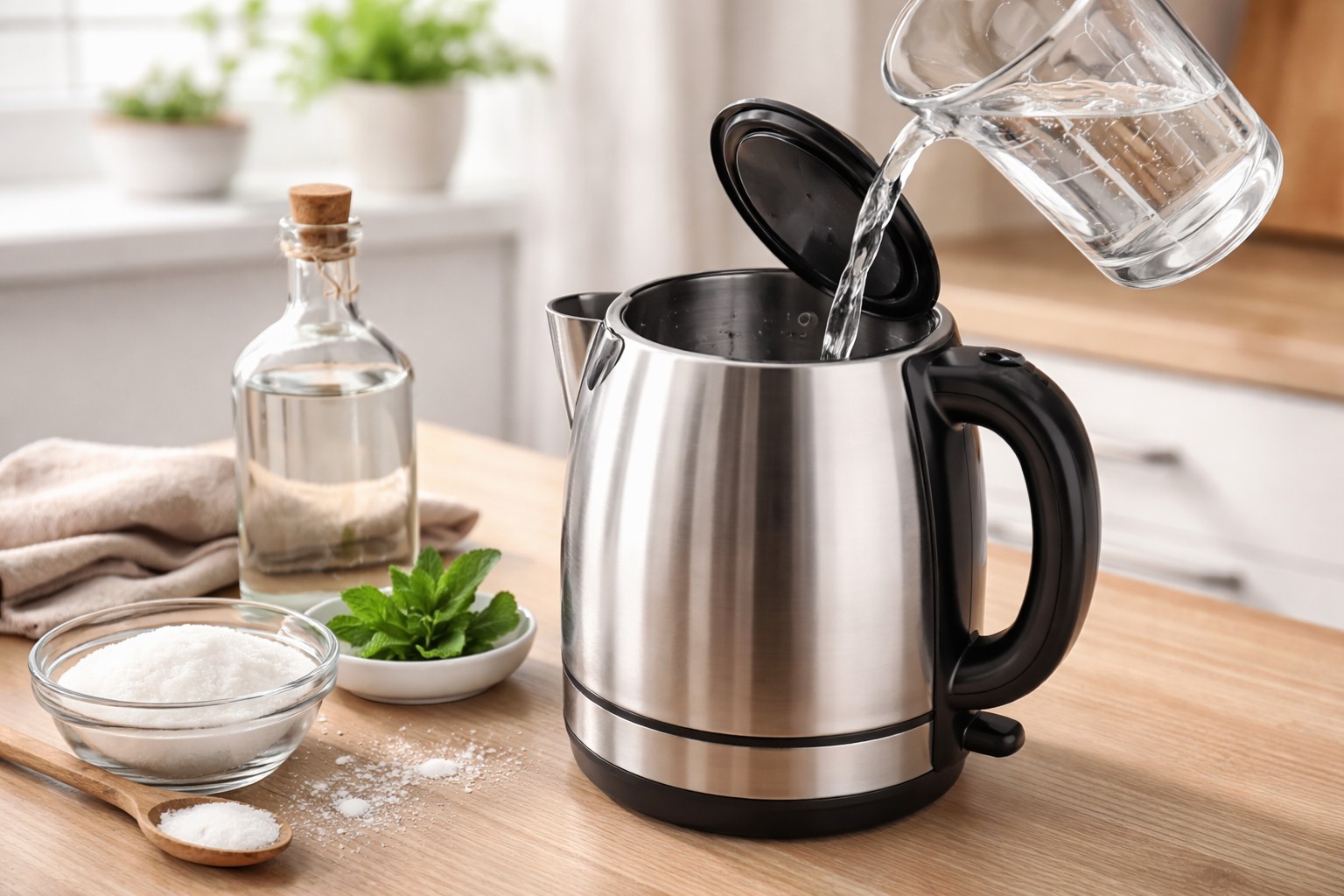
Fill the kettle with water to the maximum level.
-
Add one or two packets of powder (about 25-50 grams).
-
Boil the solution and leave it to cool for 20–30 minutes.
-
If the layer of scale was very thick, the procedure can be repeated or the liquid can be left inside for a couple of hours.
-
Rinse the device thoroughly and boil clean water once “idle”.
Table vinegar against old deposits
If the plaque has been accumulating for months and has become stone-like, the usual one will come to the rescue vinegar. This method works best for glass and metal teapots. It is important to remember that a strong aroma will be felt during the process, so you should open the window or turn on the hood in advance.
-
Mix water and 9% vinegar in a two to one ratio.
-
Place the kettle on the fire or turn it on.
-
After boiling, let the solution sit for an hour.
-
Once cleaning is complete, it is important to rinse the interior surface with a soft sponge to remove any remaining softened lime.
Baking soda for mild action
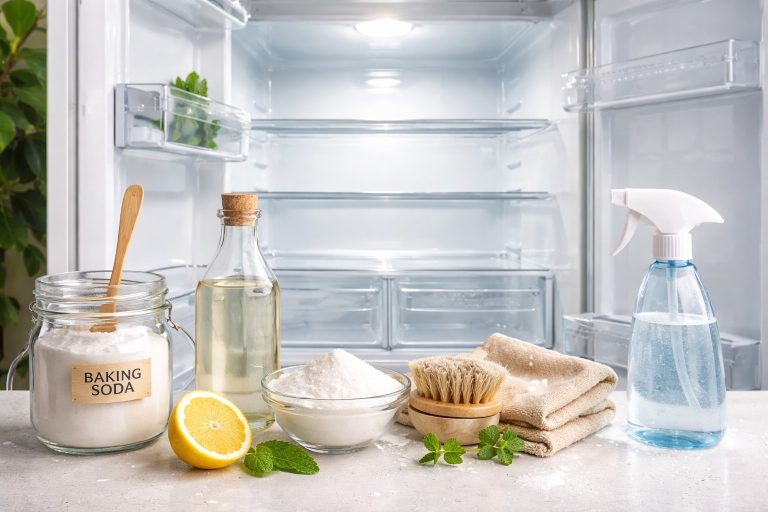
Baking soda – This is an excellent option for delicate cleaning. It is not as aggressive as acids, but it copes well with loose plaque and has an antibacterial effect.
-
Fill the container with water.
-
Add one tablespoon of baking soda.
-
Bring to a boil and wait 15 minutes.
-
Drain and rinse the kettle.
Regular use of filtered water significantly reduces the rate of plaque formation on the walls. A clean kettle saves time in the morning and ensures that your morning brew tastes perfect.
About the Author