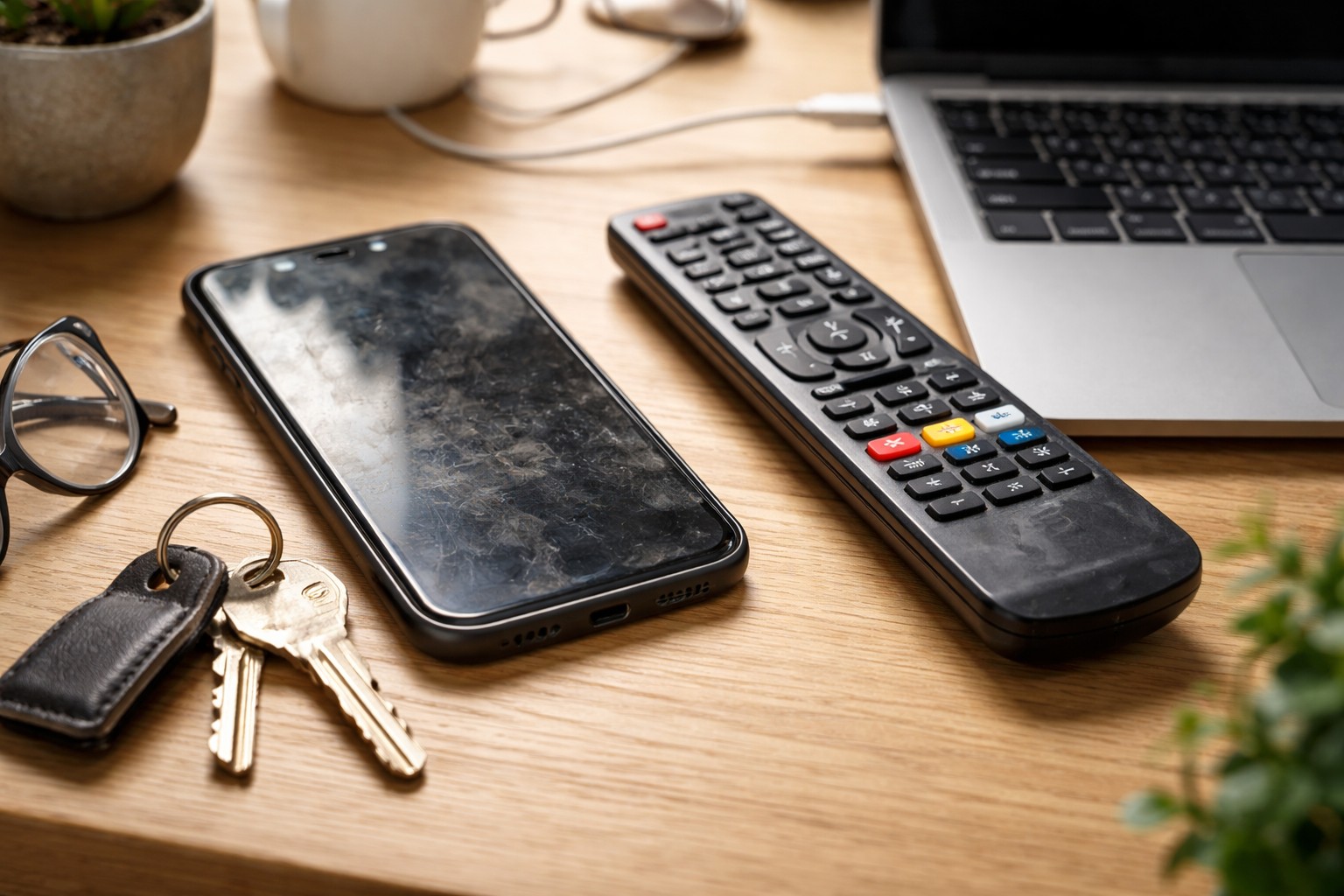
Imagine an object that passes through the hands of all family members, falls on the floor, becomes clogged with crumbs from chips and does not see a damp cloth for years. Microbiological research confirms: normal tv remote control several times dirtier than a toilet seat or the soles of street shoes.
The problem lies in the unique combination of factors that make the plastic case an ideal incubator for bacteria. We are used to washing our hands after going outside, wiping our smartphone screens and cleaning our plumbing fixtures, but remote control often falls out of the cleaning schedule, accumulating dangerous microflora for months.
Why is the concentration of bacteria here soaring?
The main reason is relief surface. The design of most remote controls involves dozens of rubberized or plastic buttons with deep gaps.
-
It gets into the gaps between the buttons sebumwhich serves as a breeding ground for microorganisms.
-
Epidermal scales, dust and food debris get clogged there.
-
The rubber material of the buttons has a porous structure, in which fungal spores easily attach.
The situation is aggravated by the fact that the remote control is often used while eating. Fat marks fast food or sweets create a sticky film to which new portions of dirt instantly stick. If there are pets in the house, fur and specific zoonotic bacteria are added to this cocktail.
The invisible threat in the living room
On the surface of an unwashed remote control you can find a whole list of pathogens: from Staphylococcus aureus to E. coli. The item becomes especially dangerous during seasonal viral diseases. If one family member gets sick, the remote control becomes the main tool cross contaminationsince the influenza virus or rhinovirus remains active on plastic for up to several days.
In hotel rooms the situation is even more serious. Maids spend time disinfecting the bathroom and changing linens, but rarely pay attention to small electronics. As a result, the remote control becomes the most contaminated object in the room, ahead of door handles and light switches in the number of germs.
How to properly maintain cleanliness
When cleaning electronics, do not use copious amounts of water or harsh bleaches, which can damage the contacts. The most effective way to return the device to hygiene is to use alcohol wipes or a cotton pad soaked in isopropyl alcohol.
-
It is recommended to wipe the case and buttons at least once a week.
-
For hard-to-reach places and gaps, cotton swabs or toothpicks are ideal.
-
The use of protective covers greatly simplifies maintenance, since their smooth surface is easier to disinfect.
Regular hygiene of household items helps to significantly reduce the risk of transmission of infections within the home. The simple habit of wiping the TV control device makes the home environment safer for the health of all family members.
Good home hygiene starts with attention to details that have gone unnoticed for years.
About the Author