
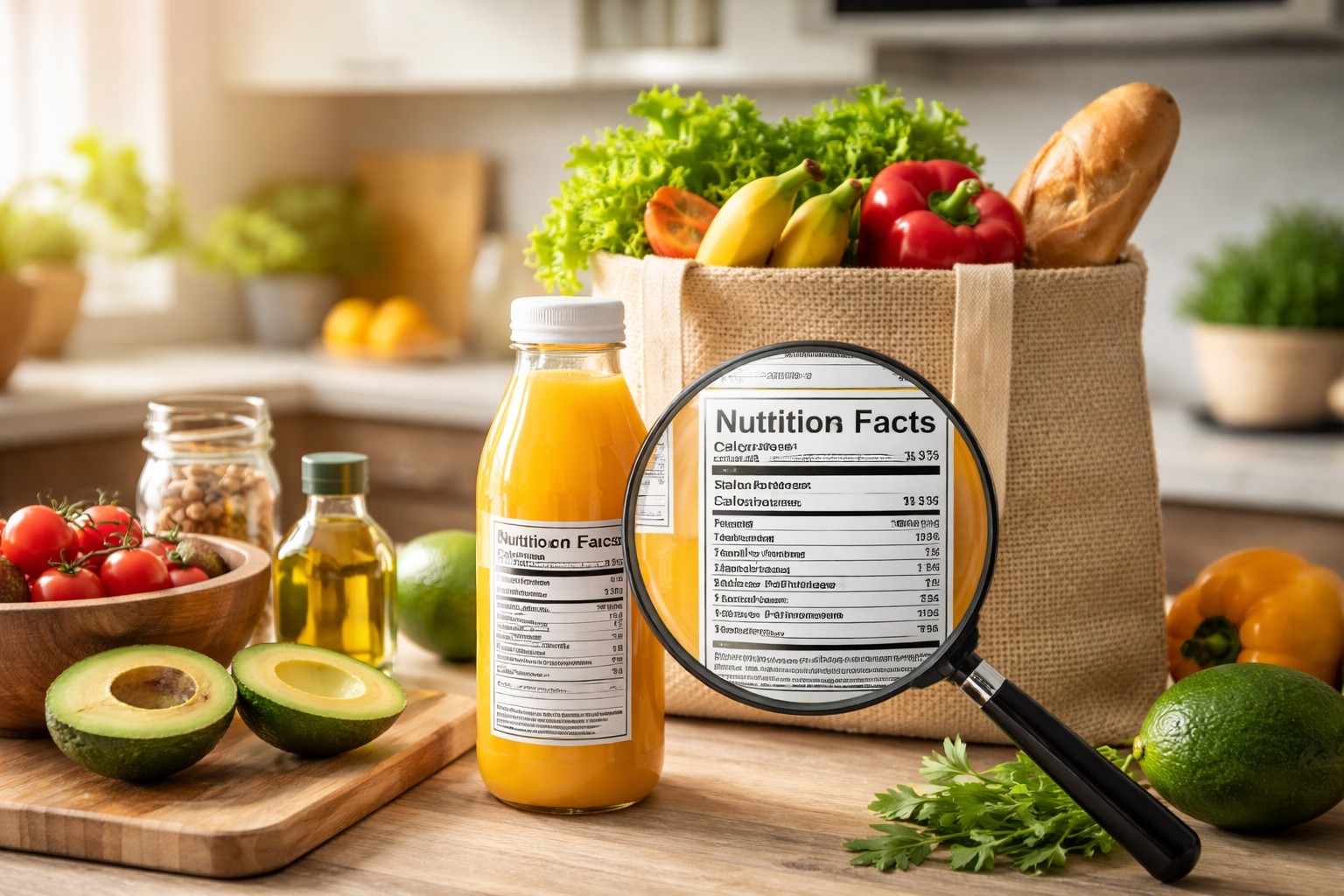
Marketing gimmicks on the front side of the packaging often promise “naturalness” and “benefits”, but the true state of affairs is hidden precisely reverse turnover. Reading the ingredients is not excessive suspicion, but a basic survival skill in conditions of enormous food abundance. Understanding what goes into your body allows you to avoid hidden sugar, excess salt, and questionable additives that masquerade as healthy ingredients.
Top reasons to read the fine print carefully:
-
Order of Ingredients. The rule is simple: the components are indicated in descending order of their mass fraction. If premium wheat flour comes first in “whole grain” bread, and sugar comes second, the value of such a product is minimal.
-
Hidden Sugars. Manufacturers use dozens of names so as not to scare the buyer with the word “sugar”. Maltodextrin, corn syrup, dextrose, and fruit juice concentrate essentially carry the same carbohydrate load.
-
Trans fats and hydrogenated oils. These components are often hidden behind the wording “vegetable fat” or “confectionery fat”, significantly increasing the risk of cardiovascular diseases.
-
Food additives and colorings. Not all “Es” are dangerous, but knowledge of specific indices helps to exclude aggressive preservatives from the diet that cause allergic reactions or digestive disorders.
Making informed food choices directly impacts your energy levels and overall well-being in the long term. When a person knows exactly the composition of his basket, he stops overpaying for a flashy design and gets exactly the nutrients he expects. This simple grocery ritual gradually builds a healthy attitude towards nutrition and protects your budget from impulse purchases of empty calories.
Attentive attention to the details on the packaging helps to maintain health and control your diet without strict diets.
About the Author