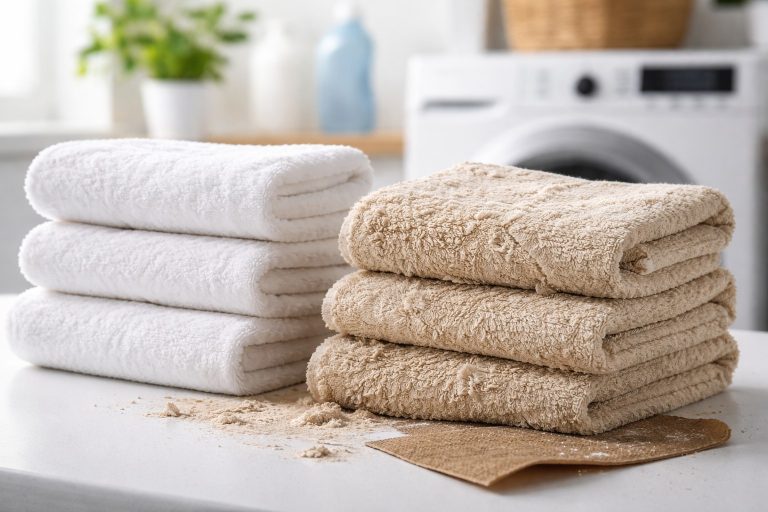
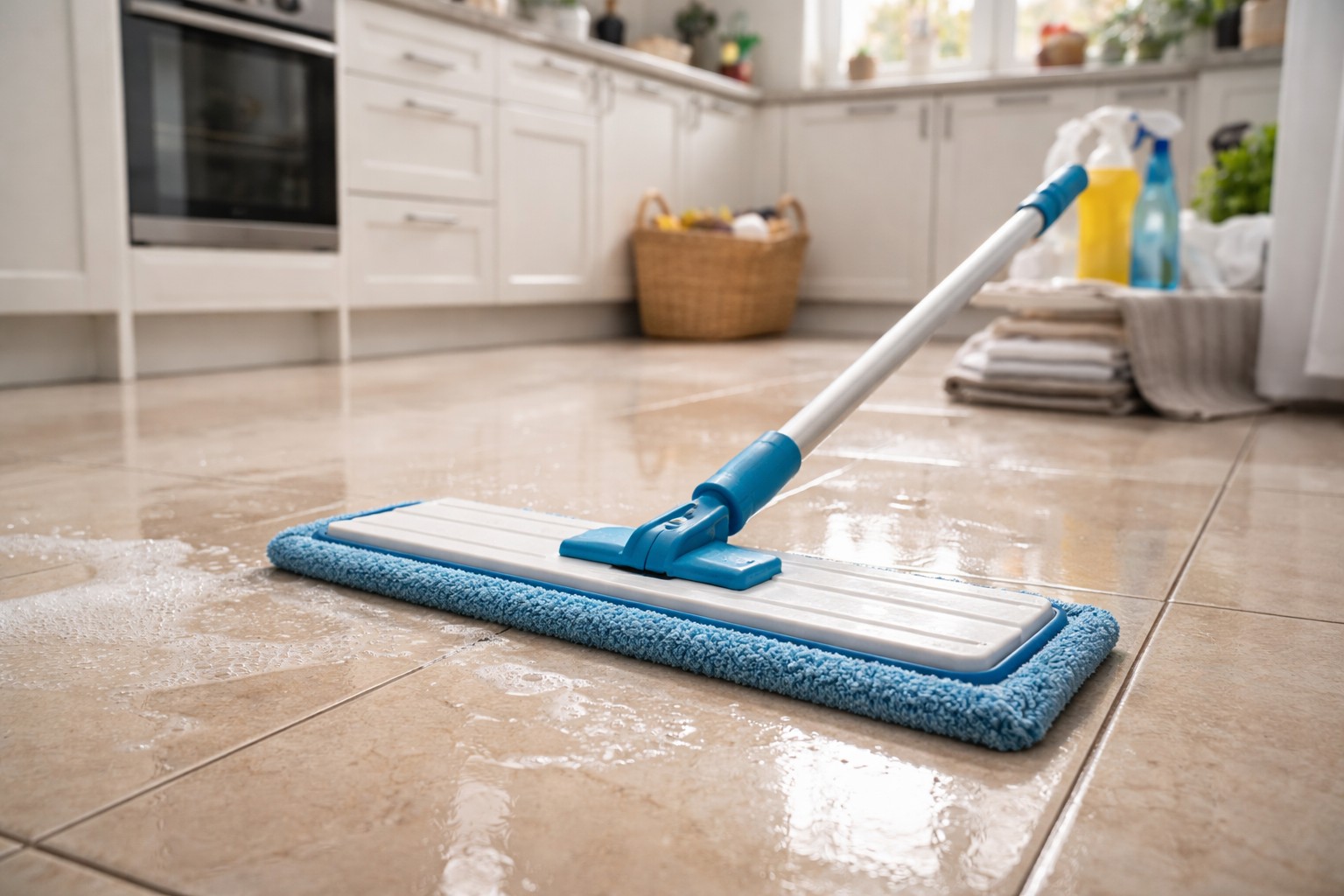
The cleanliness of the floors in your home directly depends on the condition of your main tool. If microfiber or sponge nozzle emit an unpleasant odor or leave gray stains, which means it’s time for deep disinfection. Regular rinsing under the tap is not enough, as the fibers accumulate bacteriafat and small dust particles, which over time turn into a breeding ground for microorganisms.
Preparation and main stages of care
First, you need to remove large debris, hair, and pet hair from the surface of the mop. This can be done by hand or using a stiff brush. After this, it is important to choose the correct cleaning method based on the nozzle material.
-
Machine washable. Most microfiber pads are machine washable. Use delicate mode and the temperature is not higher than 40–60 degrees.
-
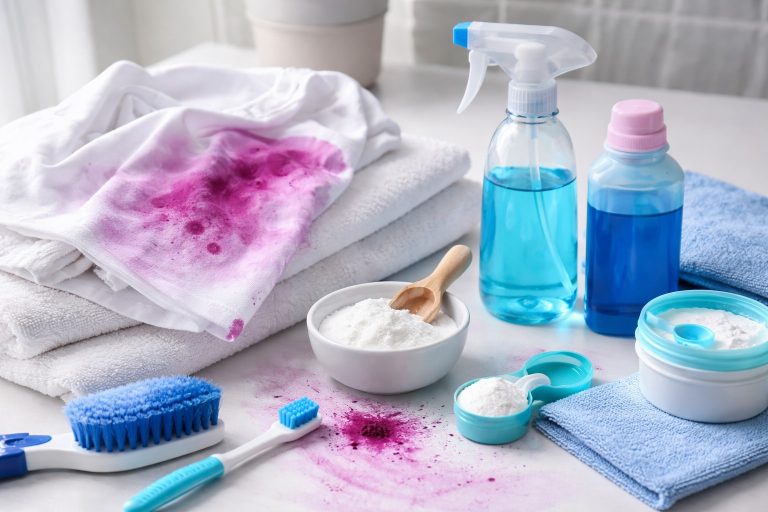
Soaking in solution. If washing is prohibited, prepare a solution of warm water, a small amount of laundry soap and baking soda. Baking soda effectively removes odors and destroys the structure of grease stains.
-
Disinfection. Once a month it is useful to immerse the mop in water with added vinegar or hydrogen peroxide. This will destroy the fungus and return the material to freshness without the use of aggressive chemicals.
Subtleties of drying and storage
Proper drying is the key to equipment durability. Never leave a wet mop in a bucket or in a dark, unventilated corner, as this is guaranteed to cause mold and musty aroma.
-
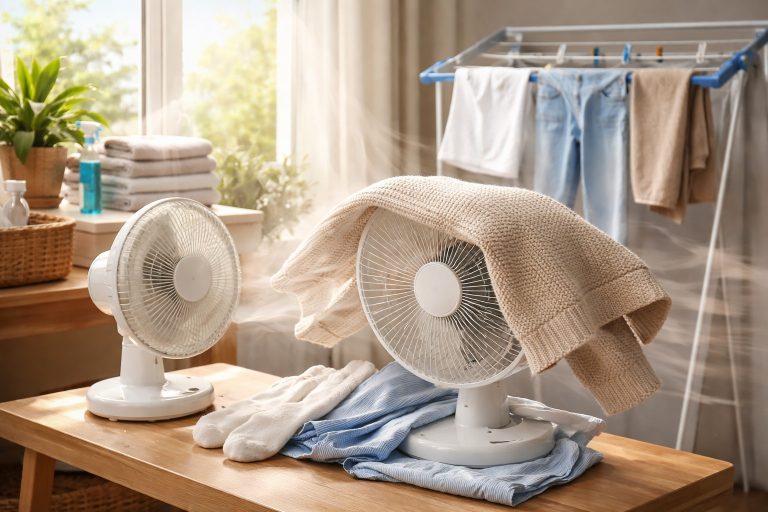
Dry the nozzle by hanging it or placing it on the dryer with the nap facing up.
-
Provide access to fresh air or sunlight, which acts as a natural antiseptic.
-
Store the mop only after all its elements are completely dry.
Regularly replacing the cleaning cloth every three to four months helps maintain a high level of hygiene in your living space. Following these simple rules can significantly extend the life of household accessories and make daily cleaning more effective.
High-quality equipment care saves time and guarantees impeccable results every time you wash the floor.
About the Author