Cleanliness in the house begins under your feet, but excessive zeal often harms the materials more than the dirt itself. So that the floors are preserved for years original shine and texture, it is important to take into account the individual characteristics of each type of coating and avoid aggressive environmental influences.
Subtleties of working with wood and laminate
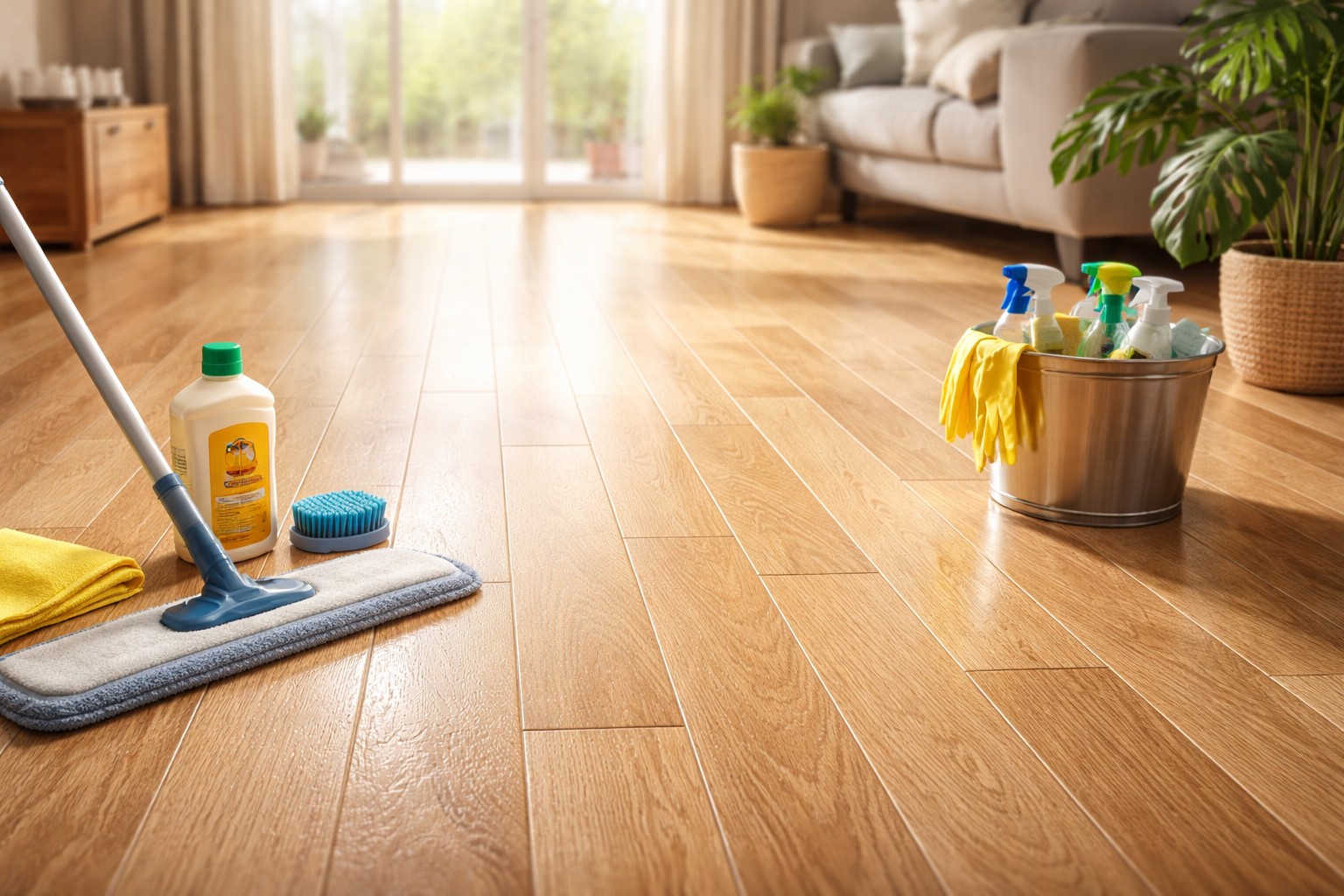
Natural wood and laminated panels are extremely sensitive to humidity levels. The main rule is minimal contact with water. Excess moisture penetrates the joints, causing swelling and deformation of the edges.
-
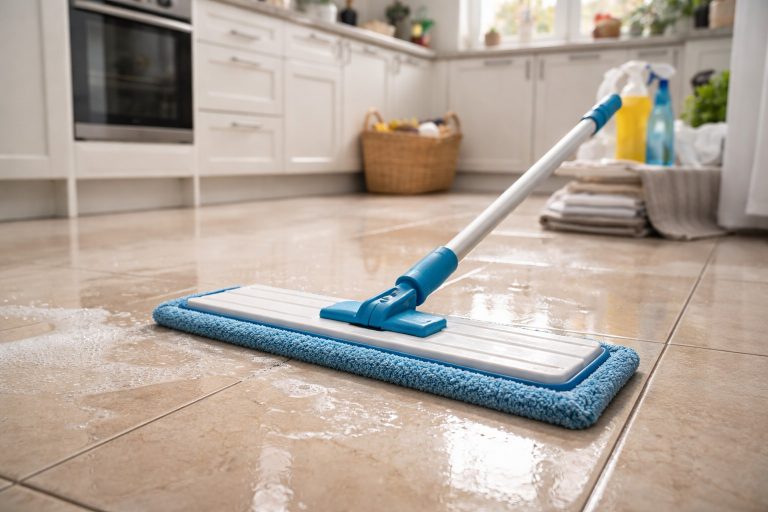
Use only well-wrung microfiberwhich collects dust without leaving puddles.
-
For parquet and boards, choose products containing natural wax or oils that create a protective barrier.
-
Laminate flooring cannot be cleaned with steam, as high temperatures destroy the adhesive layer.
-
Update in a timely manner felt pads on furniture legs to prevent deep scratches.
Caring for tiles and porcelain tiles
This type of coating is considered the most durable, but its weak point is tile joints. Over time, the grout absorbs grease and darkens, which spoils the appearance of even the most expensive tiles.
-
For everyday cleaning, warm water with a neutral detergent is sufficient.
-
Avoid abrasive powders and wire brushes, which may leave micro scratches on a glossy surface.
-
Once every six months, treat the seams with special hydrophobic compounds for protection against mold and deep dirt.
-
It is better to wipe glossy porcelain tiles dry to avoid streaks.
Linoleum and modern vinyl coverings
Linoleum and quartzvinyl are valued for their unpretentiousness, but they are afraid of aggressive chemistry. Solvents and chlorine-containing substances can cause discoloration of the picture and loss of elasticity of the material.
-
Regular dry vacuuming with a soft attachment prevents the top layer from being abraded by small grains of sand.
-
To remove stains, use a mild soap solution or specialized compounds for PVC coatings.
-
Protect the floor from direct sunlight with curtains to avoid pigment burnout.
Properly selected equipment and avoidance of excess water allow you to maintain the aesthetic appearance of any floor covering without unnecessary costs for restoration. Competent prevention is always cheaper than replacing damaged areas or major repairs.
About the Author