Linoleum is considered one of the most unpretentious coatings, but it is this confidence that often leads to its premature deterioration. The wrong choice of product or too hot water can turn a glossy surface into a dull canvas with indelible stains. In order for the floor to remain clean and maintain a protective layer, it is important to follow a certain sequence of actions and take into account the chemical composition of the solutions used.
Before starting wet cleaning, it is necessary to completely remove abrasive particlessuch as sand and small debris. If this is not done, when rubbed with a rag, they will work like sandpaper, leaving micro-scratches into which dirt will become firmly embedded over time. Using a vacuum cleaner with a soft attachment or a broom is a mandatory preparatory step.
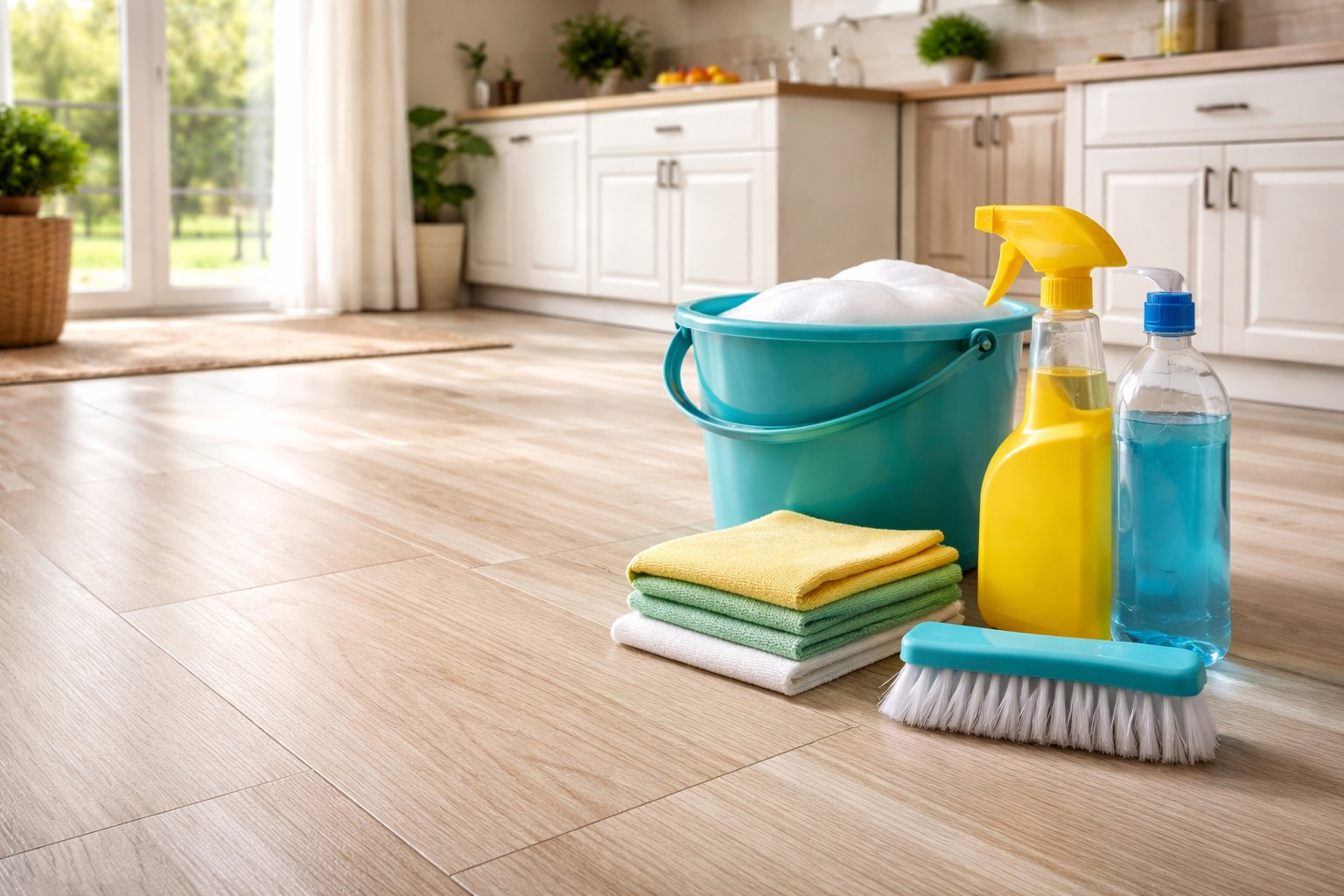
For gentle cleansing, you should adhere to the following rules:
-
Use only cool or warm watersince too high a temperature can lead to deformation of the material and loss of shine.
-
Avoid aggressive compounds containing chlorine, ammonia or pure soda, which destroy the structure of the coating.
-
Use specialized neutral detergentsdesigned specifically for polymer floors.
-
Wring out the rag or mop head well to avoid excess moisture from pooling in seams and under baseboards.
-
To remove difficult stains, such as felt-tip pens or shoe polish, use a small amount of laundry soap or an alcohol solution, applying it pointwise.
Particular attention should be paid to protecting the material. It is useful to treat the surface every few months polymer mastic or special wax. This creates an invisible barrier that repels water and prevents coloring pigments from penetrating deep into the linoleum. If areas of discoloration appear on the floor, wiping with a mixture of water and milk in equal proportions will save the situation.
Proper care of the floor covering avoids the appearance of cracks and maintains the elasticity of the material for a very long time.
About the Author