
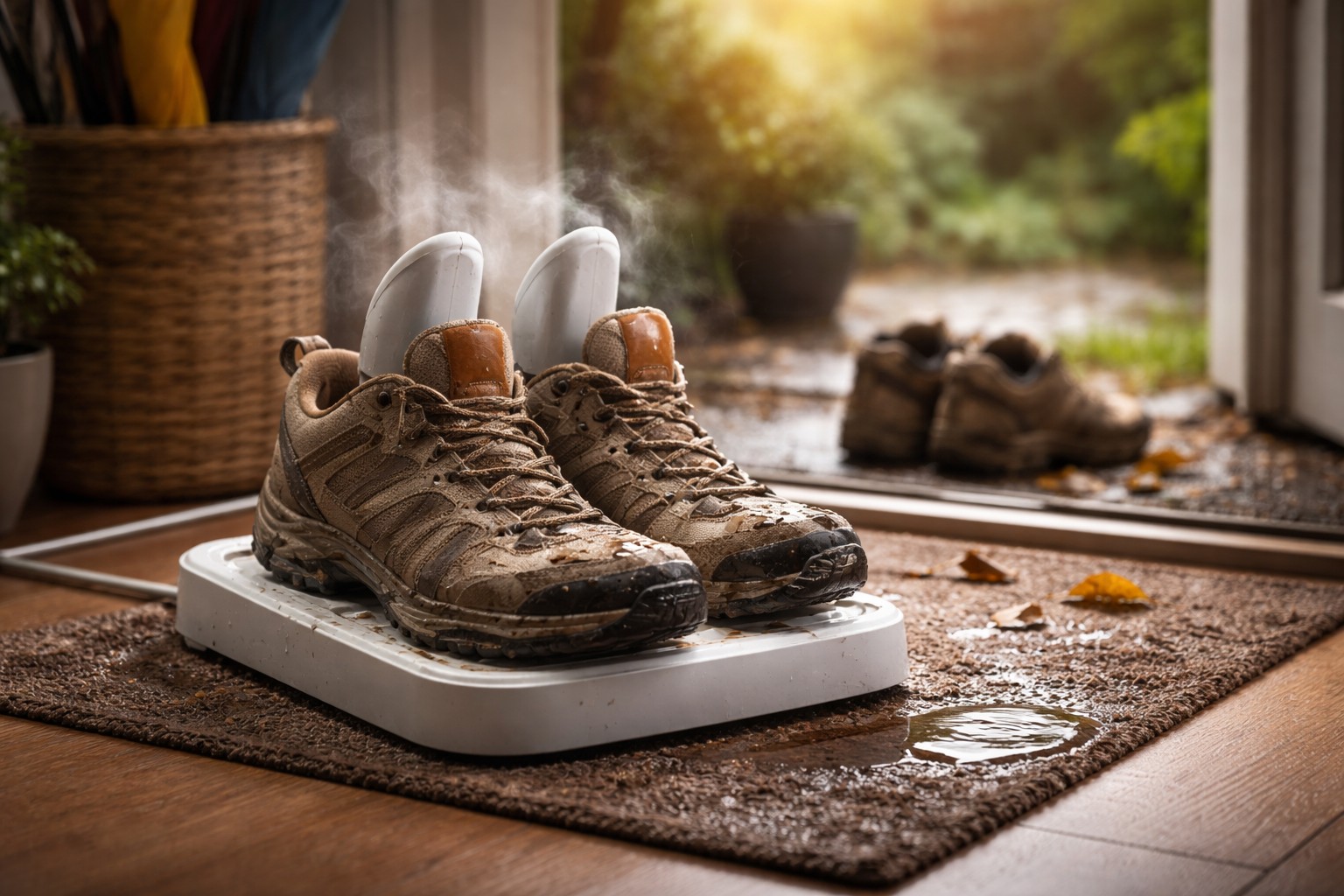
Many people believe that drying shoes is necessary only after heavy rain or walking through snowdrifts. In fact, the inner surface of the boots needs quality care every day, even if it is dry outside. The moisture that accumulates inside is not only water from puddles, but also natural condensation released by the foot when walking.
Neglecting this simple rule leads to a number of unpleasant consequences that spoil not only things, but also your well-being:
-
Bacteria reproduction: A humid and warm environment is an ideal incubator for microorganisms. It is they who cause a sharp unpleasant odor, which is then almost impossible to get rid of even with the help of strong deodorants.
-
Destruction of materials: Natural leather, suede and even modern synthetic fabrics lose their structure if they remain wet for a long time. The material stretches, cracks, and the adhesive joints lose their strength, which reduces the service life of your favorite pair several times.
-
Risk of hypothermia: Wet shoes retain heat much worse. Even with a slight minus outside, feet in damp boots freeze instantly, which provokes colds and reduces immunity.
-
Skin hygiene: Constant contact of the foot with a wet insole can lead to irritation, calluses and the development of fungal infections, which require long-term and expensive treatment.
For proper care it is best to use special electric dryers with ultraviolet or mild convection heat. They maintain an optimal temperature that does not deform the skin or dry it out to the point of brittleness, unlike hot batteries.
Regular removal of insoles and airing allow the materials to “rest” and restore their protective properties. Clean and dry shoes retain their presentable appearance longer and provide a comfortable microclimate for your feet throughout the day.
Properly preparing your wardrobe for the next time you leave the house helps you avoid unnecessary expenses on buying new clothes and maintains personal hygiene at a high level.
About the Author