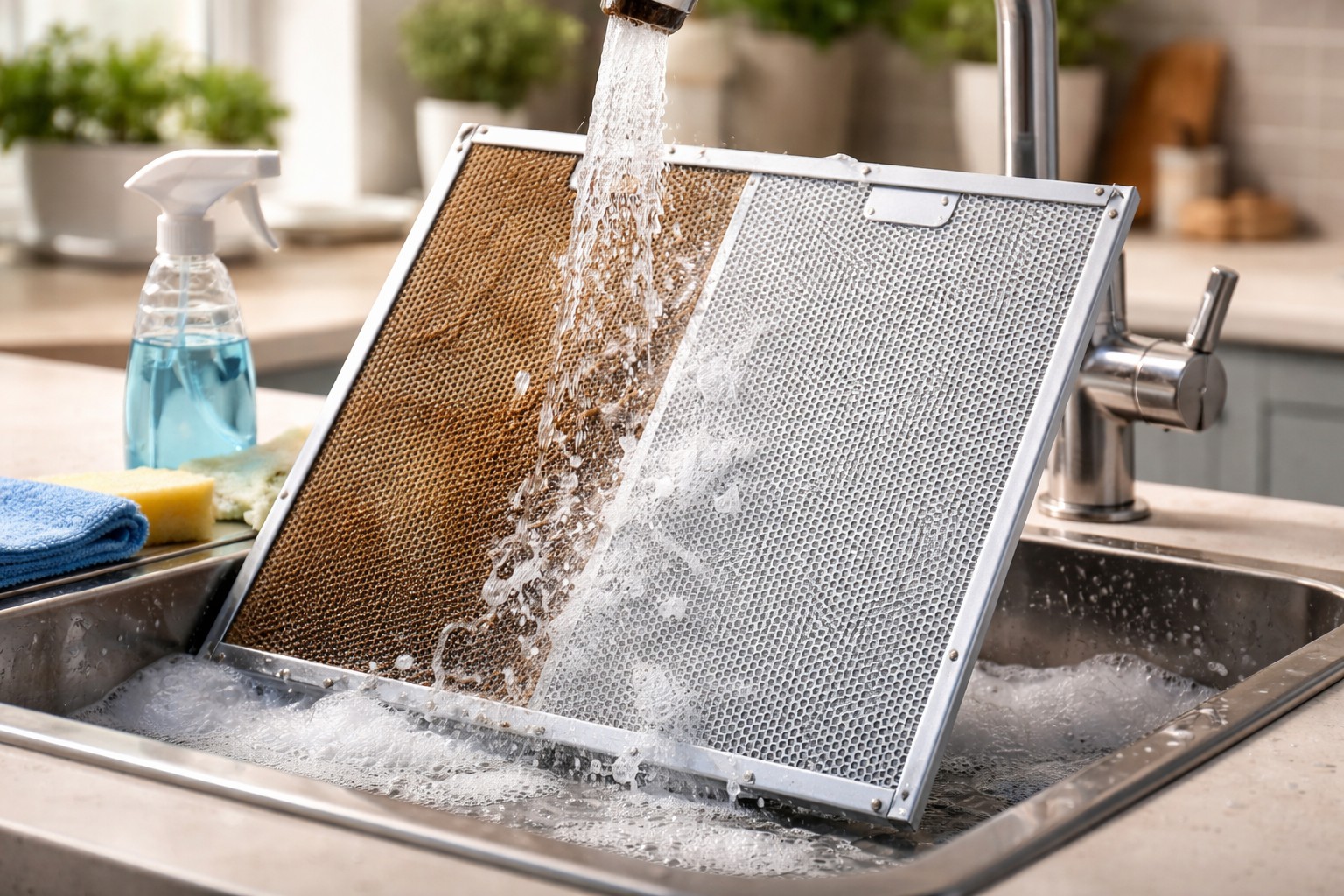
Grease and soot on a kitchen hood are not only an aesthetic problem, but also a direct threat to the operation of the equipment. When the mesh becomes clogged with a dense layer of plaquethe motor begins to wear out, and the efficiency of air purification drops to zero. Many people put off cleaning for fear of prolonged friction with brushes, but there are proven methods that dissolve dirt almost independently.
The most accessible and powerful tool remains the usual baking soda. For radical cleansing, it is better to use the digestion method:
-
Pour water into a large saucepan or baking sheet and bring to a boil.
-
Gradually add half a glass of soda (a violent reaction will begin).
-
Immerse the filters in the boiling solution for 5-10 minutes.
-
All old fat will move away from the metal and float to the surface in the form of brown foam.
If digestion seems too complicated a process, you can use laundry soap and ammonia. Grate half a bar of soap, dissolve it in hot water and add 100 ml of ammonia. Leave the grates in this mixture for an hour in a closed bag or container. This method effectively breaks down even those contaminants that have become “cemented” in small mesh cells.
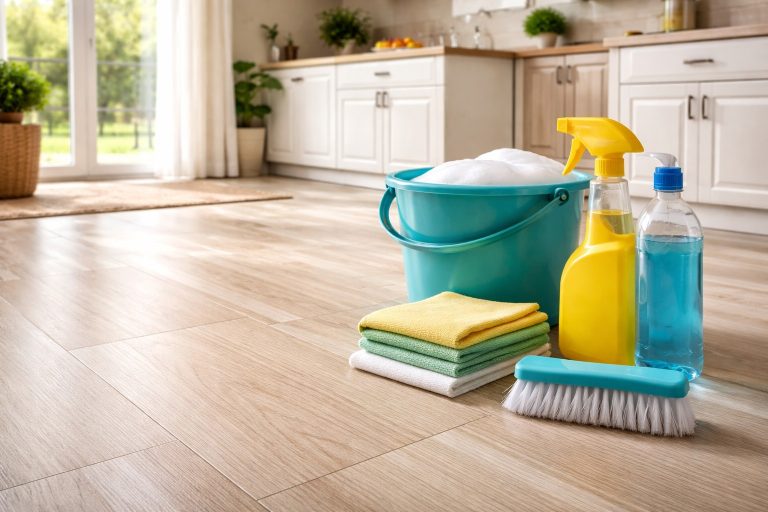
Ideal for those who prefer ready-made household chemicals products in the form of gel or spray “Anti-grease”. They contain alkalis, which in a matter of minutes transform a dense coating into an easily washed off emulsion. It is important to apply the composition to a dry surface and be sure to work with gloves to protect the skin of your hands from the aggressive effects of the components.
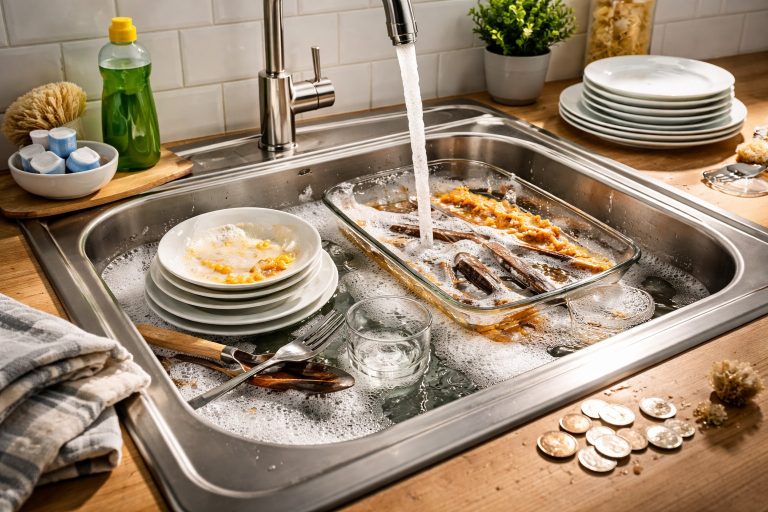
Regular maintenance eliminates the need for drastic measures and extends the life of your kitchen equipment. It is enough to wash the parts once a month in dishwasher at high temperature to maintain ideal cleanliness and free air circulation in the kitchen. A clean hood is quieter and removes odors much faster.
A properly selected cleaning method preserves the structure of the metal and returns the product to its original shine.
About the Author